
What happened
Bank of America said the Philadelphia Semiconductor Index has fallen 37% from its recent peak — more than the 32% average correction in past downturns — and sees a potential recovery in early 2027. The bank noted the sector trades at 13.7 times forward earnings, a 22% discount to the S&P 500's 17.7 times, with at most another 12% downside if it returns to the historical trough of around 12 times.
Why it matters
Even at cheaper valuations, the bank cautioned that indiscriminate selling tied to AI spending fears may not ease until actual earnings cuts establish a durable floor, suggesting investors could face more waiting before a sustained rebound.
Summaries like this, every morning.
The Philadelphia Semiconductor Index's 37% drop already exceeds the 32% average correction of previous downturns, yet BofA argues the selloff may not have run its course because cheaper valuations alone are unlikely to restore confidence. The bank points to the sector's 13.7 times forward earnings — a 22% discount to the S&P 500's 17.7 times — but notes that a return to the historical trough of around 12 times would still imply at most another 12% downside.
History offers a template: semiconductor downturns typically begin six to nine months before the fundamental earnings turn, and the SOX has gained an average of 42% during previous recoveries once estimate cuts were priced in. BofA sees the late-June 2026 market peak as a possible signal that earnings estimate reductions could start in the first quarter of 2027, as companies adjust second-half spending plans.
The biggest variable remains AI spending. U.S. cloud capital expenditure is running at an annualized rate of about $1.2 trillion, with forecasts pointing to more than $1.5 trillion in 2027. If spending merely stabilizes at current levels rather than accelerating, that would be roughly 20% below 2027 expectations and could cut planned AI infrastructure deployment to around 30 gigawatts from more than 40 gigawatts in BofA's baseline, a shift that may create substantial pressure on semiconductor revenue and earnings.
Pick your industry and the AI tools you use, and get news related to your work every day.
Free · 30 seconds with Google · unsubscribe anytimeWhat is AIToday? →
Ask AI anything about this article. The AI reads this article, earlier AIToday articles, and Wikipedia, and cites its sources. Q&As are published on this page for other readers too.
Palantir Technologies was chosen by AmeriLife Group for an enterprise AI partnership covering insurance and re…
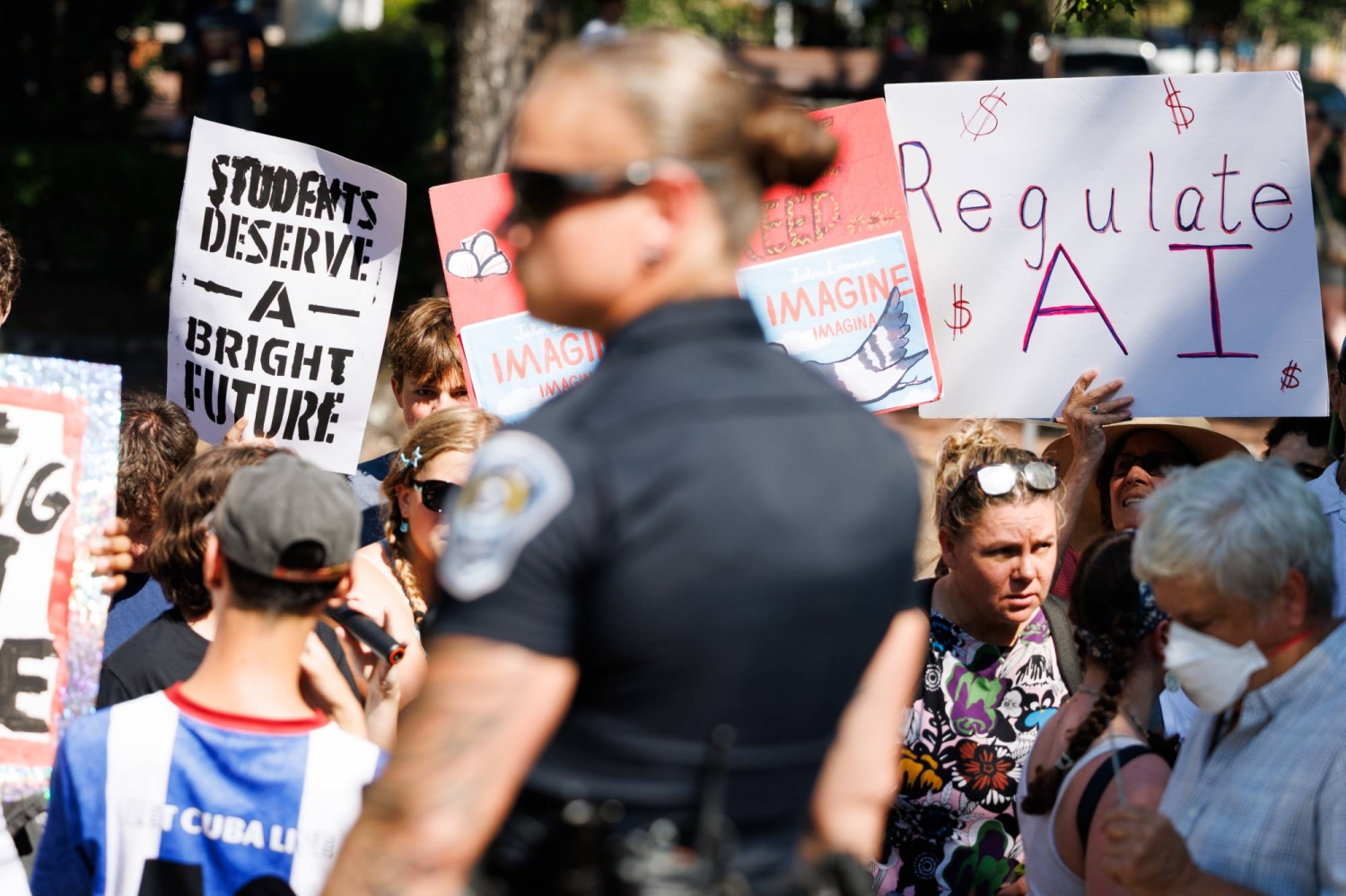
Public First, funded by Anthropic co-founder Dario Amodei and other AI safety advocates, spent more than $63 m…
Userlink is promoting its AI chatbot for ecommerce, pointing to Statista's 2024 data that nearly half of consu…

Microsoft's Azure and other cloud services revenue rose 48% year over year to $33.16 billion in its fiscal fir…
Democrats retook the House and Senate and flipped five governorships — Texas, Ohio, Georgia, Nevada and Iowa —…

Puente added manga production to its Puente AI Anime Factory workflow, producing 24 pages of storyboard-style…


