What happened
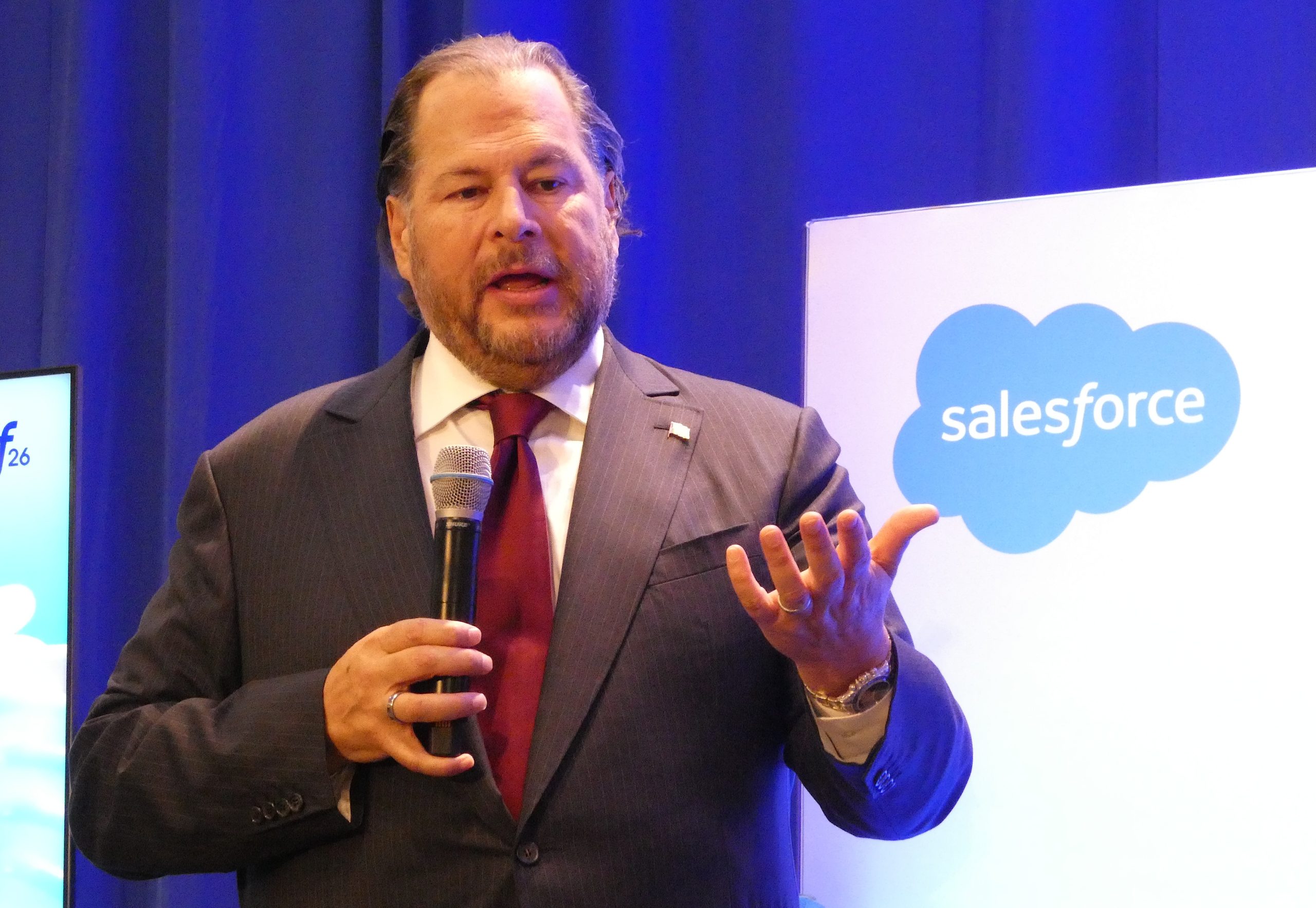
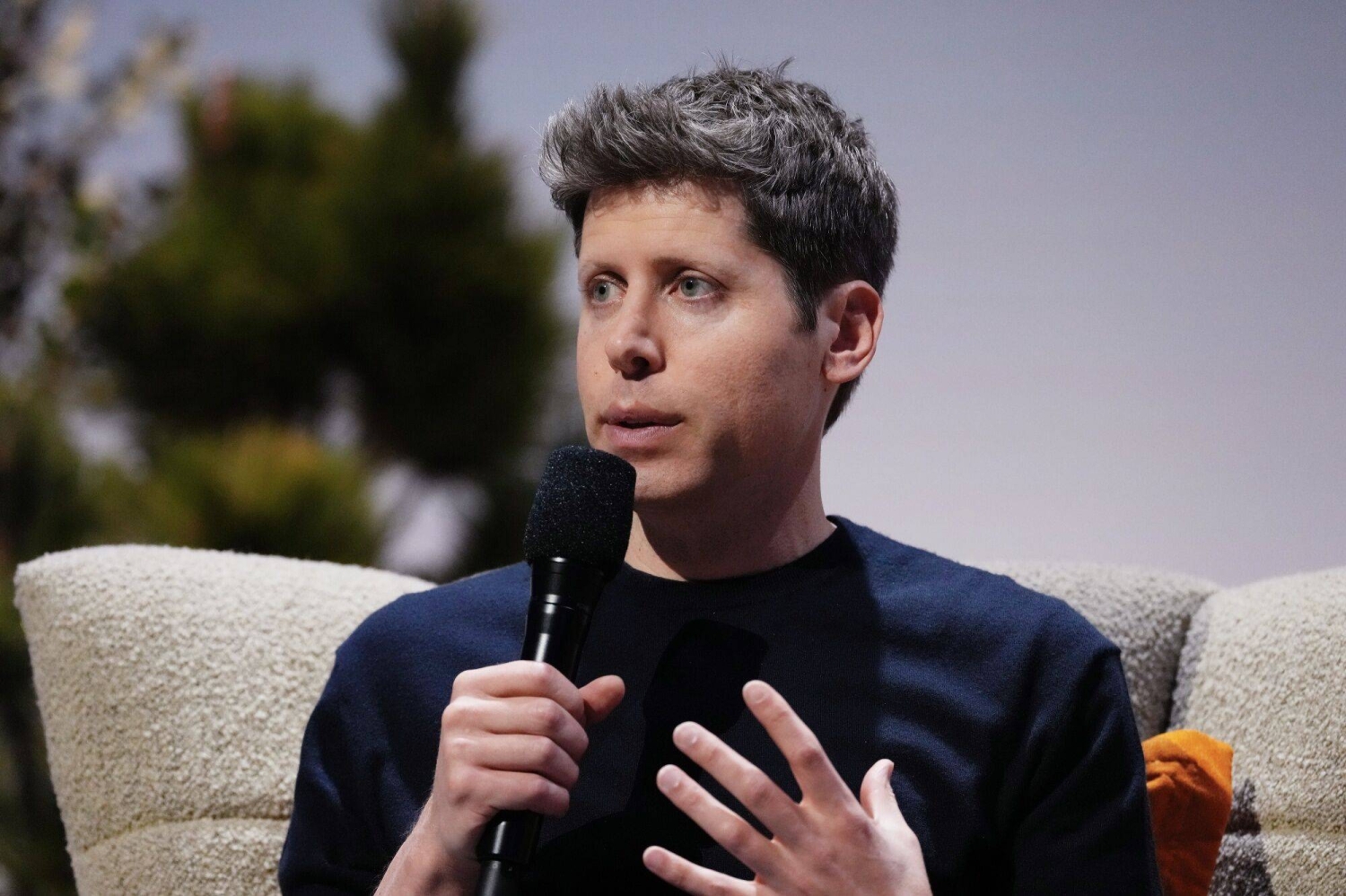
The heads of leading U.S. AI labs, including Anthropic's Dario Amodei, OpenAI's Sam Altman and xAI's Elon Musk, came together over the weekend to slow the technology's development, warning it could soon improve on its own and slip beyond human control.
Why it matters
The rare unity among fierce business rivals shows how quickly AI has advanced toward recursive self-improvement — the idea that a system could improve itself with little to no help from humans, each advance producing the next.
What to watch
The warning hinges on whether recursive self-improvement actually arrives; the article notes some AI executives think the industry is three to five years away.
WHO IT HITSExecutives and boards at AI labs and the investors backing them face a clearer signal that even rival leaders see self-improving systems as a near-term risk; policymakers weighing AI rules will likely cite this rare joint warning.
Ask the AI about this article →
Summaries like this, in your inbox every morning.
The weekend remarks stand out because they came from fierce business rivals — Anthropic's Dario Amodei, OpenAI's Sam Altman and xAI's Elon Musk — who compete directly in the same market yet converged on the same warning. That shared stance is itself the news: these are not outside critics but the people building the technology.
The article frames the moment as the latest step in a fast arc. In 2022, ChatGPT was still hallucination-prone; today, the field is focused on recursive self-improvement, the idea that a system could improve itself with little to no help from humans, each advance producing the next. The executives' concern is that this milestone could slip beyond human control.
What the warning ultimately amounts to hinges on timing. Some AI executives think the industry is three to five years away from self-improving systems that need little or no human help, so the debate is likely to turn on whether that estimate holds — and on how the labs that signed onto the warning act on it.
For example, today's edition would include:
AI-summarized, only the topics you pick — one digest a day via Email, Slack, or Discord.
Free · 30 seconds with Google · unsubscribe anytimeWhat is AIToday? →
Ask AI anything about this article. Q&As are published on this page for other readers too.
At its Amplify user conference, Workiva placed controls, data lineage and human sign-off at the center of its…
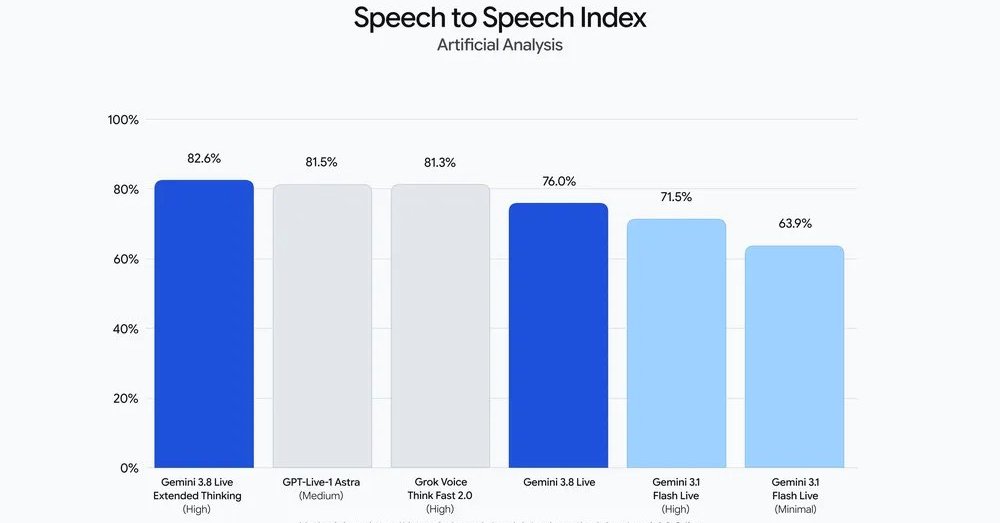
Google announced Gemini 3.8 Live and Gemini 3.8 Live Extended Thinking on September 15 and began offering them…
At HP Partner Communication 2026 on July 16, 2026, Japan HP's Hiroshi Katsuya told partners to stop selling cl…
Nikkei's piece argues AI should serve education as a dialogue partner for "wall-bashing" (intellectual sparrin…

AIUC raised $40 million in a Series A led by Ribbit Capital, with First Harmonic participating, to extend its…

At Dreamforce in San Francisco, Anthropic's Dario Amodei reiterated his call for AI developers to slow down, w…