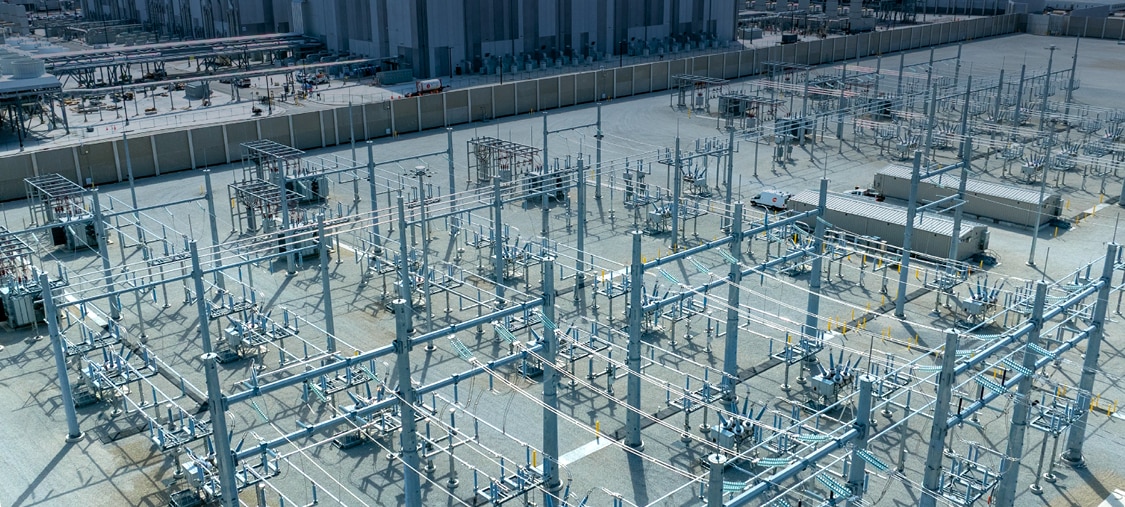
A new Citi Research report examines widening constraints on power-grid expansion driven by rising AI data-center demand, labor shortages, and slow permitting processes. The report finds that electricity demand and supply are both growing rapidly, but the systems connecting them are struggling to keep pace, pushing many developers toward onsite natural-gas generation to bypass grid bottlenecks. Regulators are exploring faster interconnection timelines, though longer-term questions remain about the durability of AI-driven electricity demand.
Summaries like this, in your inbox every morning.
Sign up free →What happened
A Citi Research report finds that power grids in many regions are constrained by supply-chain bottlenecks and lengthy permitting processes, unable to match demand driven by U.S. AI data-center buildout and growing concerns around energy security. Many power users are increasingly pursuing distributed solutions and natural-gas-based "bring-your-own-generation" strategies to bypass grid delays.
Why it matters
Three challenges define the bottleneck landscape: persistent labor shortages for skilled trades, the unique complexity of AI data-center power demand (which can fluctuate significantly in short periods), and regulatory permitting processes not designed for current demand scale and speed. This slowdown means even viable projects face delays or cancellations before construction begins when developers cannot secure power or equipment quickly enough.
What to watch
The report notes that utilities and grid operators are moving beyond traditional planning methods toward more detailed modeling to handle dynamic AI demand and variable renewable supply. Regulators in the U.S. are exploring ways to accelerate interconnection timelines, with expectations that large power users may increasingly fund their own infrastructure upgrades and provide generation during grid stress periods.
No comments yet. Be the first to share your thoughts!
Log in to join the discussion

Get curated AI news from 200+ sources delivered daily to your inbox. Free to use.
Get Started FreeFree · takes 30 seconds · unsubscribe anytime
1 minute a day. The AI essentials.
200+ sources · Email / LINE / Slack
