University of Wisconsin-Madison and Stanford University researchers developed T2 scaling laws that jointly optimize model parameters, training data volume, and test-time inference samples
Traditional LLM guidelines focus only on training costs while ignoring inference expenses, creating inefficiencies for real-world applications
The T2 approach proves it's compute-optimal to train substantially smaller models on significantly more data, then redirect saved computational resources to generate multiple inference samples
Enterprise AI developers can use this framework to maximize return on investment by better balancing training and inference computational budgets
Ask the AI about this article →
For example, today's edition would include:
AI-summarized, only the topics you pick — one digest a day via Email, Slack, or Discord.
Free · takes 30 seconds · unsubscribe anytimeWhat is AIToday? →
Ask AI anything about this article. Q&As are published on this page for other readers too.
CrowdStrike Holdings Inc

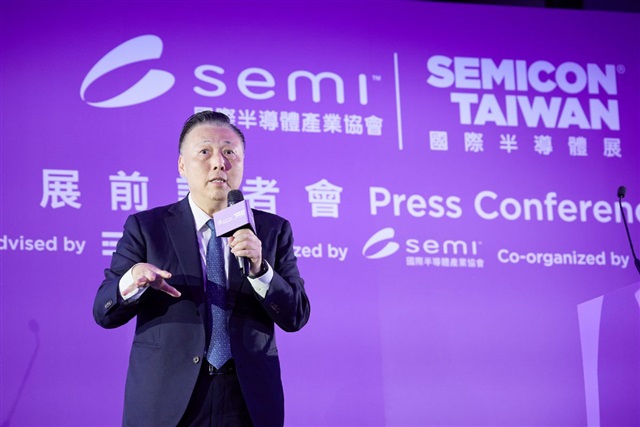
ASE Technology CEO and SEMI Global Board Executive Committee Chair Tien Wu said AI's early-stage growth is cre…
Fervo Energy signed a deal to supply 396 MW of electricity from its Cape Station project in Utah to a Google d…

Nvidia co-announced with Vertiv in August that it is making progress on 800-volt power infrastructure for its…

John Ternus takes over as CEO of Apple today, stepping into the role as the company confronts the AI era

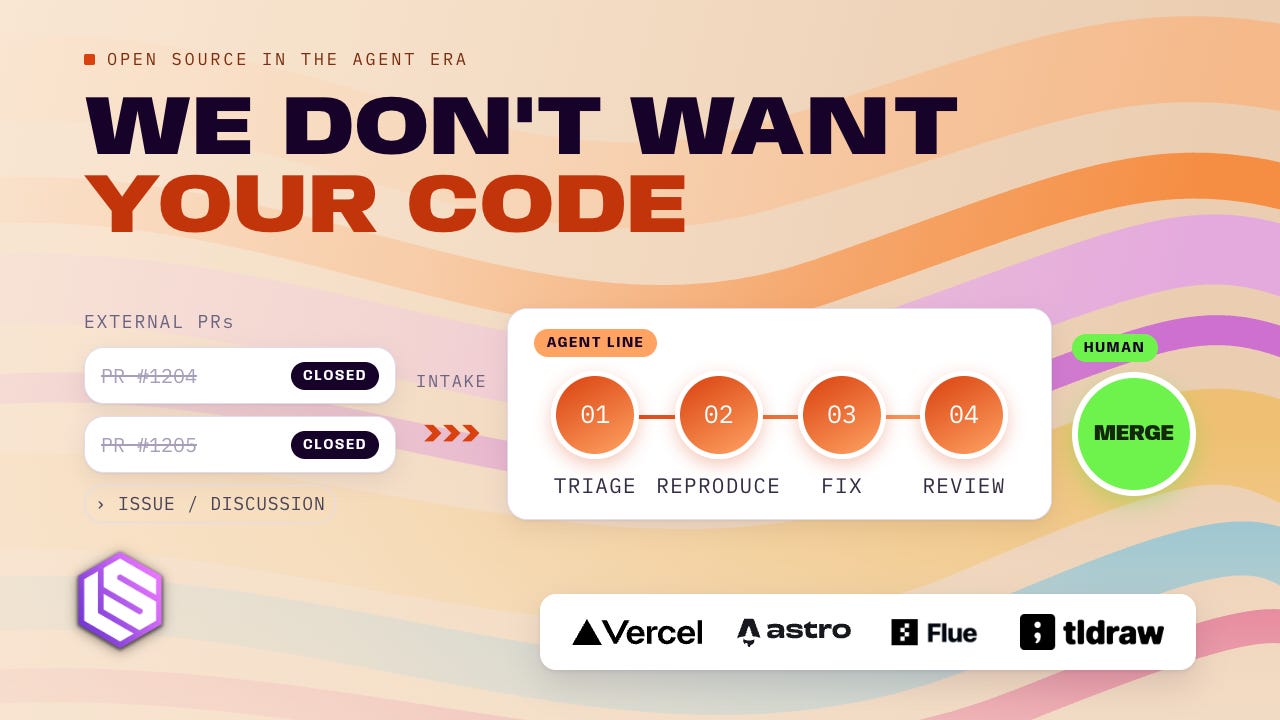
Top AI-native open source projects like Flue and tldraw are refusing external pull requests, often because the…