What happened
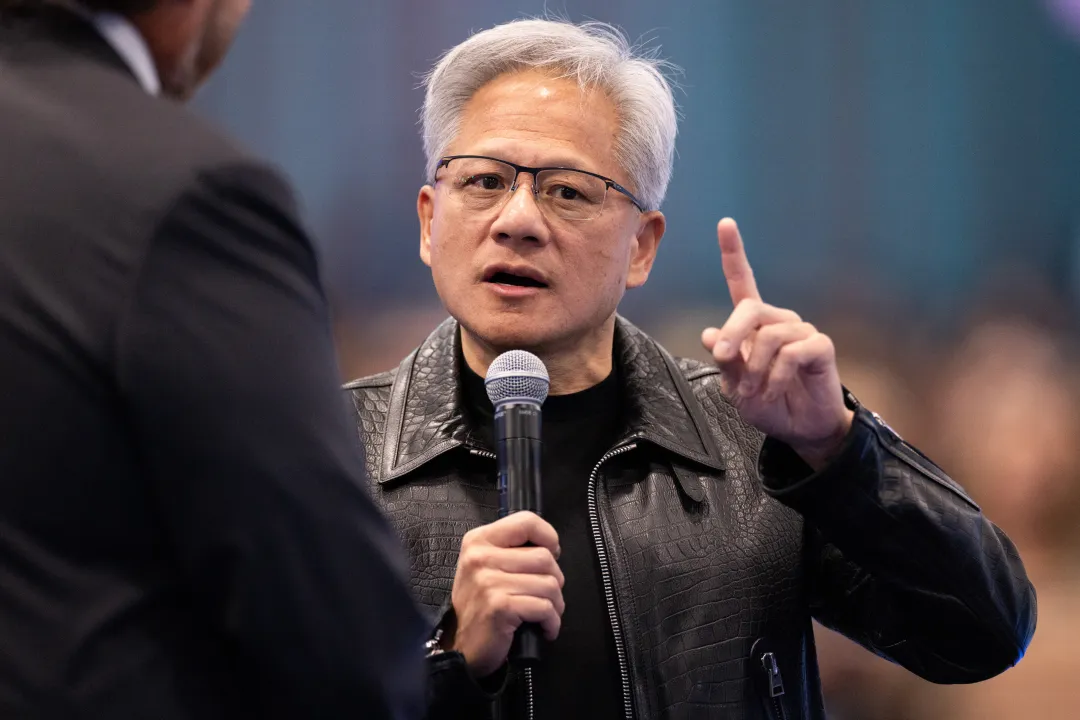
Jensen Huang resigned Thursday after reports he had an affair with a former executive at Megaspeed, an Nvidia customer alleged to have ties to Chinese intelligence, plus another reported affair with an Nvidia executive.
Why it matters
Huang was the company's biggest shareholder, had family members working there, and no succession plan was in place, so his exit leaves Nvidia without a prepared replacement at a company whose chips underpin much of the AI economy.
Summaries like this, every morning.
The speed of Huang's exit caught even close observers off guard. A week earlier, the board had opened an investigation but expressed faith in him; by Thursday he was gone. Part of what made the collapse so sudden is that much of the underlying material was not new — questions about his relationship with Alice Huang had been circulating in intelligence circles for close to a year, and the government had been warned about a possible national-security dimension. What changed was the series of disclosures: Huang admitting to an affair over the weekend, a second affair reported this week, and a November 9 Bloomberg report suggesting Nvidia's head attorney had inquired about a Department of Commerce investigation into Alice Huang. That last report appears to have widened the board's concern beyond the affairs themselves.
The resignation lands on a company with an unusually concentrated identity. Huang is Nvidia's biggest shareholder, has family members working at the company, and had no succession plan in place — factors that made him, for many, synonymous with Nvidia itself. His replacement, Collette Kress, is a longtime board member and CFO, an appointment the podcast panel read as a caretaker move while the board works out what comes next.
Beyond Nvidia's own operations, the question is what happens to its role as a financier of the AI ecosystem. Nvidia accounts for roughly 80% of the AI GPU market and has reported $99 billion in investments, $25 billion in commitments, and $36 billion in cloud service commitments, with stakes in CoreWeave, Nebius, OpenAI, and Anthropic. If the company shifts into a more cautious posture — even a small pullback — that could have outsized effects on the startups and data-center projects that rely on its backing, though the extent of any such change is not yet known.
Pick your industry and the AI tools you use, and get news related to your work every day.
Free · 30 seconds with Google · unsubscribe anytimeWhat is AIToday? →
Ask AI anything about this article. The AI reads this article, earlier AIToday articles, and Wikipedia, and cites its sources. Q&As are published on this page for other readers too.
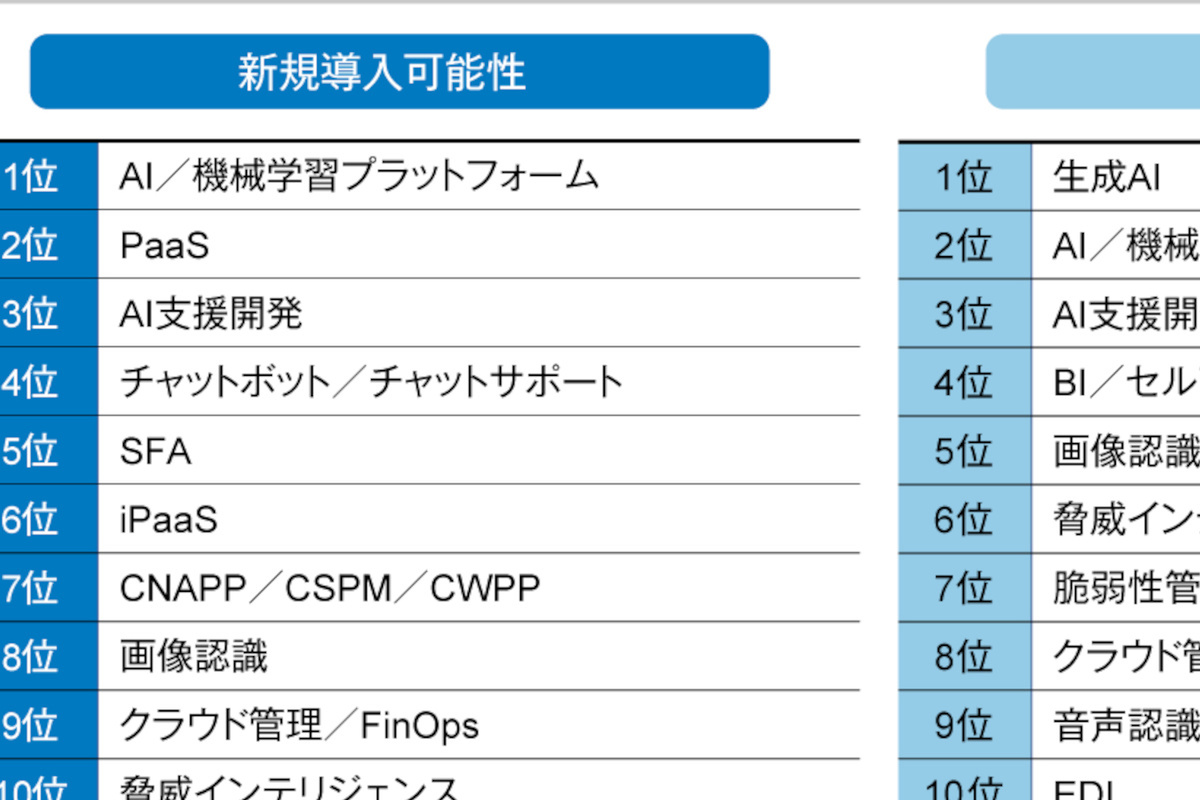
ITR's survey of 2,283 IT decision-makers put the FY2026 IT investment index at 7.05, well above the 3.90 forec…
Autobacs Seven introduced Google Workspace and Gemini across the group, shifting staff off macro-driven spread…

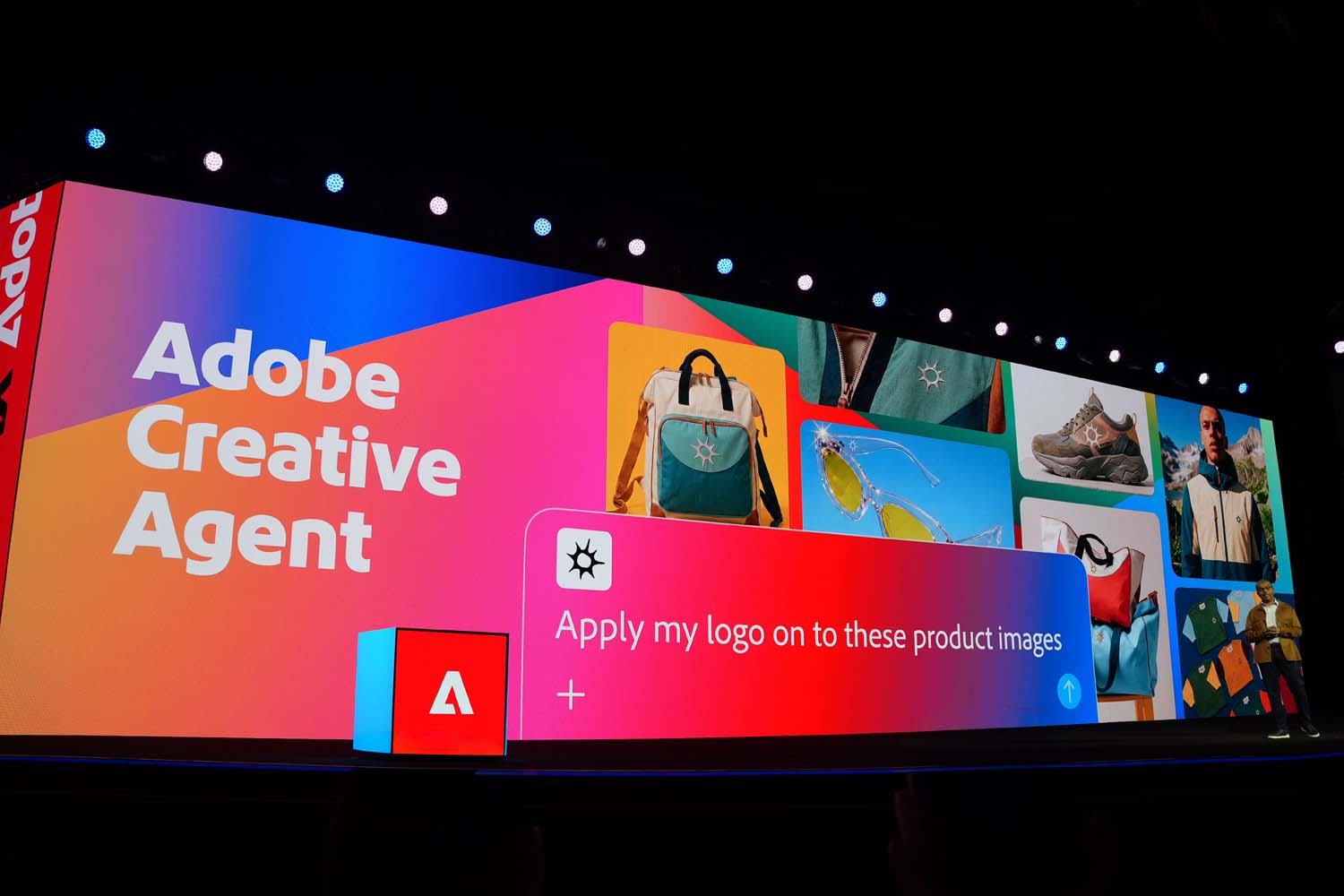
At Adobe MAX 2026, Adobe said it will support MCP in its main tools and offer its own Adobe Creative Agent sta…
Bharat Semi, a New Delhi-based chip startup, raised $24 million in seed funding led by Info Edge Group, South…
OpenAI started the OpenAI science blog as a venue for scientists and academic researchers to share discoveries…

CrowdStrike rolled out AI-focused security products and integrations, spanning sovereign cloud deployments, au…