What happened
The National Republican Senatorial Committee has privately warned major AI companies that they must address public opposition to data centers, particularly in Ohio where the issue has become central to Sen. Jon Husted's reelection bid. The memo warns that if Husted loses and data centers are blamed, politicians across the country will become hostile to future projects.
Why it matters
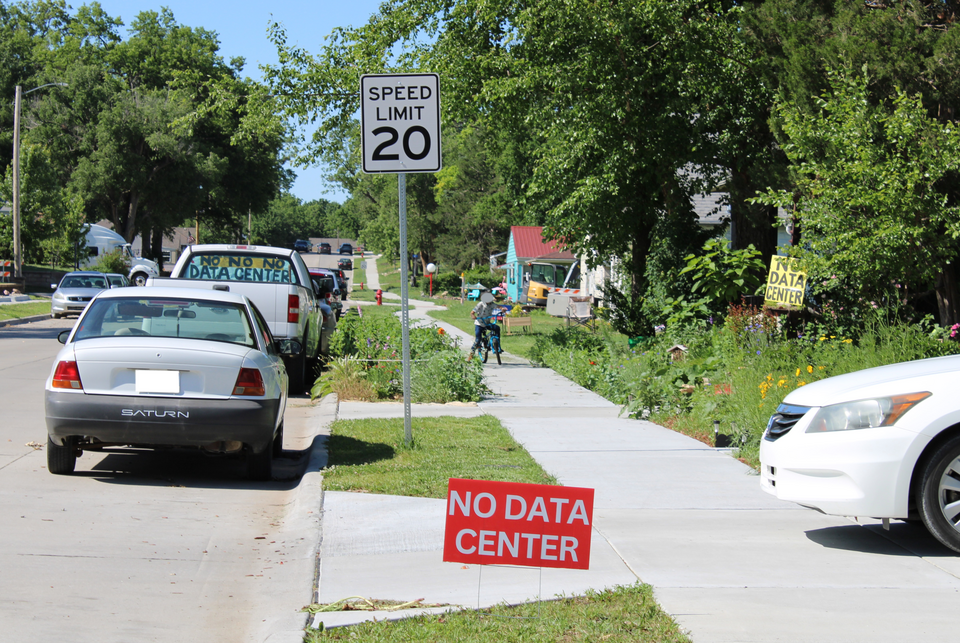
Public concern about data centers is growing as they consume massive amounts of energy and raise fears about job displacement. A 2026 poll found 77% of respondents concerned that AI development could increase their electricity bills, with 64% opposing rapid construction of AI data centers versus only 33% supporting it. The GOP views this as a threat not just to Husted's Ohio race but as a 'sleeper issue for the entire election cycle' that could block projects nationwide.
What to watch
The memo asks AI companies to communicate who will benefit from data centers, who will pay, and why communities should want them. Ohio currently has one of the largest shares of finished data center projects in the U.S., with dozens more in the planning stage, while the U.S. overall has about 4,000 data centers operational and close to 3,000 more planned.
Summaries like this, in your inbox every morning.
The warning from the National Republican Senatorial Committee reflects a significant shift in political dynamics around AI infrastructure. Ohio has emerged as a focal point because it hosts one of the largest shares of finished data center projects in the U.S., with dozens more in the planning stage. The stakes extend beyond the state: with the U.S. currently operating about 4,000 data centers and planning close to 3,000 more, the outcome of Ohio's political battle could set a precedent for resistance elsewhere.
Public opinion has moved sharply against rapid data center expansion despite continued support from Donald Trump and other political figures. The 2026 polling data showing 64% opposition and concerns about electricity bills and job displacement indicates that data centers have become tied to broader anxieties about the costs of AI development. The GOP's private warning to companies suggests they recognize that without a significant public relations effort, the political environment for future projects will become increasingly hostile across multiple states.
Pick your industry and the AI tools you use, and get news related to your work every day.
Free · 30 seconds with Google · unsubscribe anytimeWhat is AIToday? →
Ask AI anything about this article. The AI reads this article, earlier AIToday articles, and Wikipedia, and cites its sources. Q&As are published on this page for other readers too.
The Motley Fool argues Amazon is the AI company of the two, since AWS was just 21% of first-half 2026 revenue…

Hewlett Packard Enterprise stock is down 5% at $55.87

Meta's new commercial terms, effective October 30th, appear to let it crawl and train AI on content from websi…

Vercel data published Thursday shows TypeSafe AI's Jev, a lightweight decision model for choosing among predet…
Chunghwa Telecom president Rong-shy Lin said the shift from conversational AI to autonomous AI agents is resha…

CoreWeave fell 5% in premarket trading Friday and was on track to finish the week down 15%, after rebounding f…