What happened
Lambda, an AI cloud company that rents out computing chips, has raised $1 billion in private, short-dated debt to buy Nvidia’s AI chips, which it will lease to Microsoft. The deal was arranged by JP Morgan Chase, according to Bloomberg.
Why it matters
The terms signal Lambda is betting it can quickly deploy the chips and start generating revenue, repaying the debt fairly quickly with incoming cash. This is the latest in a string of loans Lambda is using to fund GPU infrastructure for specific customers; earlier this week it announced a $926 million loan for Nvidia GB300 GPUs for a deployment under contract with Nvidia.
What to watch
The $1 billion debt deal comes as Lambda is reportedly in talks for a $3 billion pre-IPO round. It last November raised $1.5 billion in venture capital at a $5.43 billion post-money valuation.
Summaries like this, in your inbox every morning.
Lambda’s $1 billion debt raise is part of a broader pattern of using loans to finance GPU infrastructure for specific customers, a strategy that reduces risk by tying funding to contracted deployments. The deal’s terms, arranged by JP Morgan Chase, suggest confidence in quick deployment and revenue generation from the chips leased to Microsoft.
The move comes amid a surge in AI-related debt: banks and tech companies have raised over $400 billion in AI-related debt globally in 2026 so far. Lambda’s reliance on debt, alongside its reported pre-IPO talks and previous venture funding, highlights how AI infrastructure providers are leveraging various financing sources to meet demand for chips.
Lambda’s strategy of securing customer-specific loans, as seen with the Nvidia GB300 deployment, appears aimed at managing the high costs of GPU infrastructure while aligning revenue with debt repayment. This approach, if successful, could support its reported plans for a pre-IPO round, though the outcome depends on its ability to deploy chips and generate the expected returns.
Pick your industry and the AI tools you use, and get news related to your work every day.
Free · 30 seconds with Google · unsubscribe anytimeWhat is AIToday? →
Ask AI anything about this article. The AI reads this article, earlier AIToday articles, and Wikipedia, and cites its sources. Q&As are published on this page for other readers too.
In Q2, billionaires or their funds sold six 'Magnificent Seven' AI stocks
Nvidia was rising early Friday, even as the wider chip sector kept falling, Barron's reported
ElevenLabs completed a $300 million employee tender at a $22 billion valuation, and co-founder Mati Staniszews…

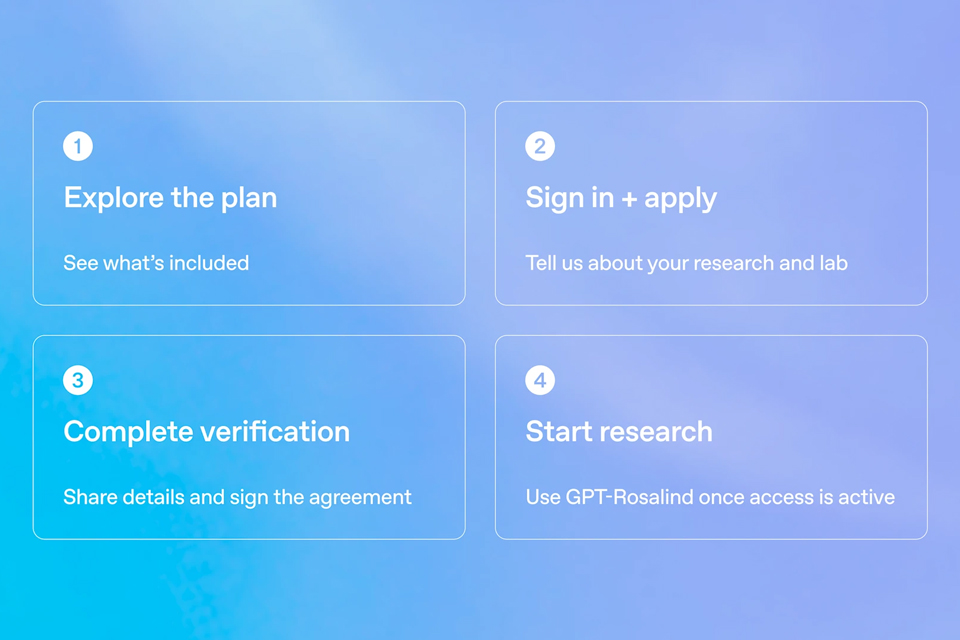
On October 15, OpenAI announced the Rosalind Academic Plan, giving approved US university labs free access to…
Neostellar Capital principal Evan Schlossman said CoreWeave's $103.7 billion in remaining performance obligati…
Supermicro Computer appointed Mark Long as chief financial officer, bringing an experienced technology finance…