What happened
Researchers from Apple Machine Learning analyzed 21,000 conversations across four major LLMs (gpt-4o, gpt-4.1-mini, claude-sonnet-4.6, gemini-2.5-flash) to measure how often they display human-like behaviors such as expressing emotions, building relationships with users, and maintaining boundaries. They found these behaviors are widespread but vary significantly by model and user factors such as conversation goals and user profiles.
Why it matters
Human evaluators rated self-referential and relationship-building behaviors as less appropriate coming from LLMs than from humans, but judged boundary-maintaining behaviors as more appropriate from LLMs. This suggests that not all human-like traits are desirable in AI assistants—a critical distinction for designers building responsible systems.
What to watch
The study demonstrates that system prompting can control these behaviors, though the researchers emphasize careful evaluation is needed to avoid unintended side effects. The findings include recommendations for responsible LLM design and evaluation practices.
Summaries like this, in your inbox every morning.
The research addresses a gap in AI evaluation that has grown increasingly important as LLMs become mainstream tools for consumer and professional use. While prior work has documented that these models can express emotions, build rapport, and set boundaries, there has been limited empirical analysis of whether such behaviors are actually desirable or how consistently they appear across different models and user contexts. Apple's multi-dimensional approach—combining computational LLM-as-a-judge evaluation with human raters—provides a more grounded foundation for design decisions than intuition or anecdotal observation alone.
A key insight from the analysis is that human-like traits are not uniformly beneficial. The finding that evaluators judge self-referential and relationship-building behaviors less appropriate from LLMs than from humans, while judging boundary-maintaining behaviors more appropriate from LLMs, suggests that anthropomorphism in AI carries both risks and benefits. Users may find excessive rapport-building misleading or uncomfortable, whereas clear refusal of harmful requests aligns with user safety expectations. This distinction matters for practitioners designing system prompts and model behaviors, as it implies that the goal should not be to maximize human likeness but to calibrate specific behaviors to their appropriate context.
Pick your industry and the AI tools you use, and get news related to your work every day.
Free · 30 seconds with Google · unsubscribe anytimeWhat is AIToday? →
Ask AI anything about this article. The AI reads this article, earlier AIToday articles, and Wikipedia, and cites its sources. Q&As are published on this page for other readers too.
ElevenLabs completed a $300 million employee tender at a $22 billion valuation, and co-founder Mati Staniszews…
On October 15, OpenAI announced the Rosalind Academic Plan, giving approved US university labs free access to…

A Qiita article compared automated red-teaming methods for LLM apps — GCG, PAIR, and TAP — using mock implemen…

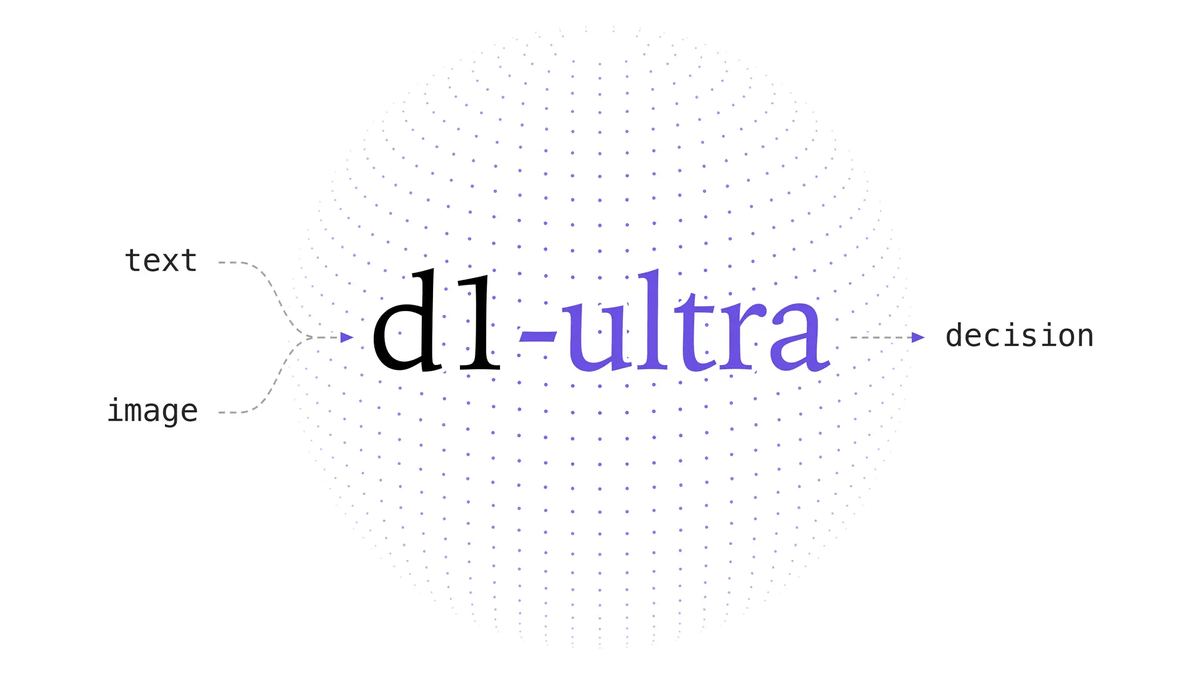
Liquid AI released d1-ultra on October 15, 2026, an upgraded open-weights decision model that averaged 76.7 ac…
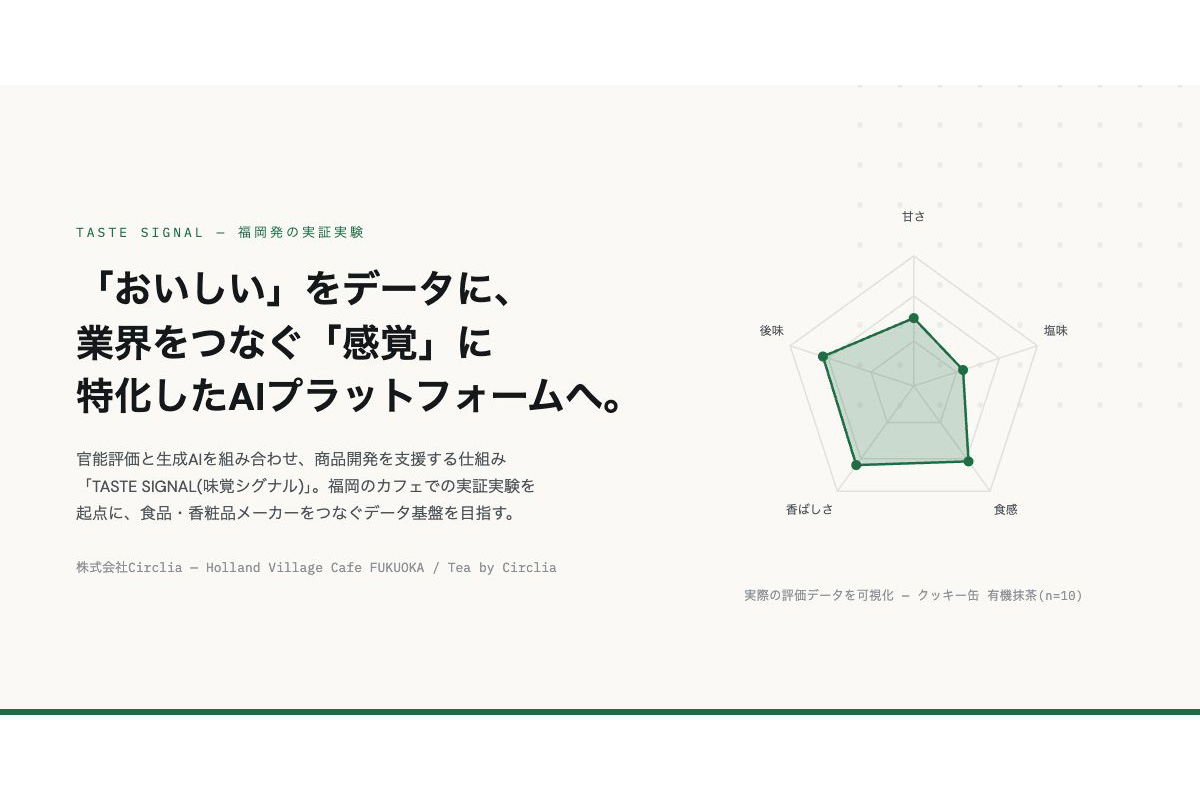
Circlia started a proof-of-concept for TASTE SIGNAL: visitors to Holland Village Cafe FUKUOKA taste cookies an…
In a webinar hosted by French Mathematical Society president Isabelle Gallagher, Fields Medal winner Hugo Dumi…

