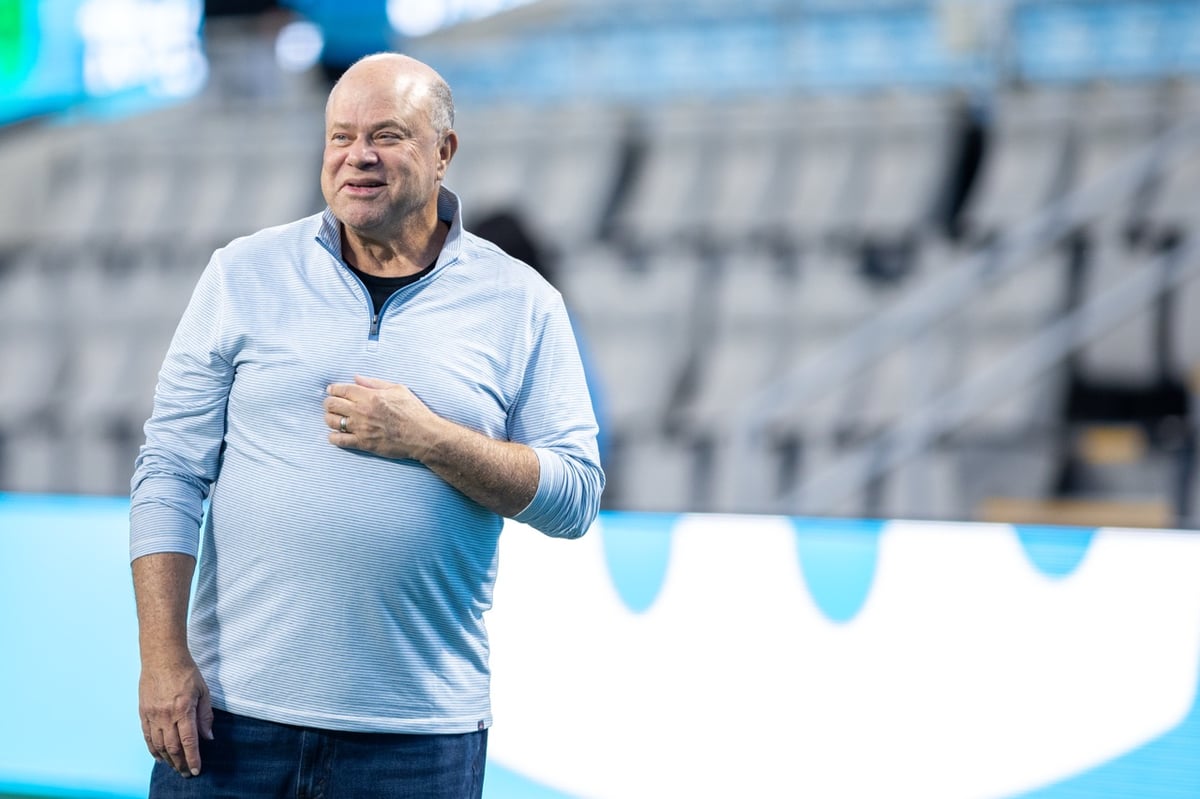
Billionaire David Tepper sold Appaloosa Management's Sandisk stake after a one-quarter hold and bought Broadcom instead.
Sandisk supplies AI data center memory riding a sharp demand surge; Tepper took profits before the cycle turns.
Broadcom designs custom AI chips for major tech companies and projects over $100 billion in AI revenue by fiscal 2027.
What happened
Hedge fund Appaloosa Management, run by David Tepper, sold its entire Sandisk position in the second quarter and initiated a new stake in Broadcom. Tepper had bought Sandisk in the first quarter of 2026 before exiting completely in Q2, securing what the filing timing suggests were substantial gains after a sharp rally.
Why it matters
Sandisk makes NAND flash memory for data center storage, a business riding an AI-driven demand surge that has lifted revenue, margins, and pricing power in recent quarters. Tepper's decision to take profits after one quarter reflects his view that Sandisk's valuation may already price in much of the near-term AI boost, and that memory markets are cyclical enough to warrant locking in gains and moving capital elsewhere.
What to watch
Broadcom, Tepper's new holding, supplies custom AI accelerators (XPUs) for Google, Meta, OpenAI, Anthropic, and Apple, plus high-speed networking silicon connecting AI chip clusters. The company is guiding for more than $100 billion in AI semiconductor revenue alone by fiscal 2027, though Broadcom trades at a lofty valuation that leaves little room for error.
Ask the AI about this article →
Tepper's rotation from Sandisk to Broadcom illustrates a deliberate rebalancing within the AI infrastructure trade rather than an abandonment of the sector. Sandisk entered the year positioned to benefit from the AI data center storage boom—AI workloads demand vast amounts of fast, dense storage for training data and inference—and the company's revenue mix, margins, and pricing power all improved sharply as enterprise data center customers drove demand. Yet after just one quarter, Tepper exited at what the timing suggests were elevated valuations, recognizing that memory and storage markets are inherently cyclical and that much of the near-term upside may already be priced in. Broadcom, by contrast, offers Tepper exposure to the custom silicon layer of the AI infrastructure stack—chips designed specifically for hyperscalers rather than general-purpose products—plus the interconnect layer, creating what Tepper may view as more durable competitive advantages and longer visible growth. The move reflects capital discipline: book gains after an abnormal rally, then redeploy into a company with deeper moats and a more defensible multi-year backlog.
AI-summarized, only the topics you pick — one digest a day via Email, Slack, or Discord.
Free · takes 30 seconds · unsubscribe anytime
Ask AI anything about this article. Q&As are published on this page for other readers too.
SanDisk, Micron, and Western Digital remain cheaply valued, according to a market analysis, even as concerns p…

Google and NextEra have announced plans to launch an AI-powered grid by 2026
IBM's stock is rebounding from a historic selloff, with retail investors buying the dip
Tempus AI shares have rallied sharply following positive Phase 3 results from a Moderna-Merck cancer vaccine t…

Palantir stock rose 4% to $181.25, clearing the $180 level traders were watching, while BigBear.ai rose 4% to…

A new analysis compares Micron Technology and Sandisk as AI memory stocks and argues that investors shouldn't…