What happened
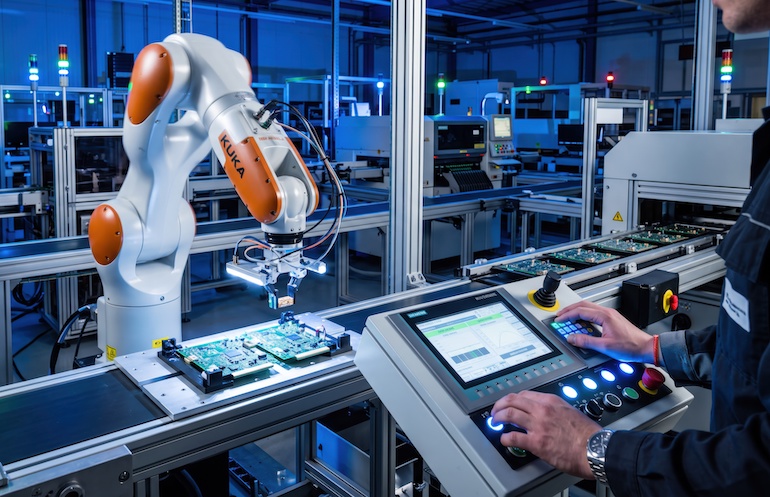
As robotics deployments grow from small pilots to dozens of sites across multiple shifts, companies are discovering that the robot itself is no longer the limiting factor—the workforce required to operate, maintain, and adapt it is. Organizations are shifting from loosely coordinated gig-style labor toward hybrid structures with a stable core of trained, hourly W-2 operators and technicians paired with flexible surge capacity.
Why it matters
Physical AI systems operating in warehouses, hospitals, factories, and public spaces have raised the stakes for workforce design. Quality now means uptime, safety, hardware integrity, and customer experience in dynamic environments—not just model metrics. Traditional task-based labor models and speed-only incentives actively degrade performance; instead, teams are prioritizing procedure adherence, documentation quality, escalation accuracy, and safe behavior under uncertainty.
What to watch
New role types are emerging—robot operators, field technicians, teleoperators, QA validators, and data capture specialists—that sit between engineering and operations and are responsible for interpreting edge cases, documenting failures, and translating real-world behavior into engineering feedback loops. Success in scaling robotics will depend on whether companies can build workforce systems as robust and adaptive as the machines themselves.
Summaries like this, in your inbox every morning.
The article traces a parallel between the evolution of AI labor over the past decade and the current trajectory of physical robotics. Early computer vision systems relied on simple, distributed data labeling, but as models shifted toward large language models, the work became centered on judgment, nuance, and quality control—driving a move away from loosely coordinated crowd work toward structured teams with clear accountability. Physical AI is now undergoing a similar transition, but with material consequences: when robots operate in real-world settings, failures are not abstract model errors but tangible problems affecting uptime, safety, and customer experience.
This shift exposes a fundamental mismatch between how many companies have historically managed flexible labor and what physical AI deployments actually require. Speed-focused metrics and task-based incentive structures, common in digital labor markets, actively degrade performance when the work involves safety, procedure adherence, site-specific adaptation, and escalation judgment. The article suggests that scaling robotics is fundamentally an organizational challenge, not merely a technical one. Companies that succeed will be those that build workforce systems—with stable cores of trained operators, clear role definitions, and incentives aligned to quality and consistency—that can scale human judgment alongside machine intelligence across variable environments and sites.
Pick your industry and the AI tools you use, and get news related to your work every day.
Free · 30 seconds with Google · unsubscribe anytimeWhat is AIToday? →
Ask AI anything about this article. The AI reads this article, earlier AIToday articles, and Wikipedia, and cites its sources. Q&As are published on this page for other readers too.
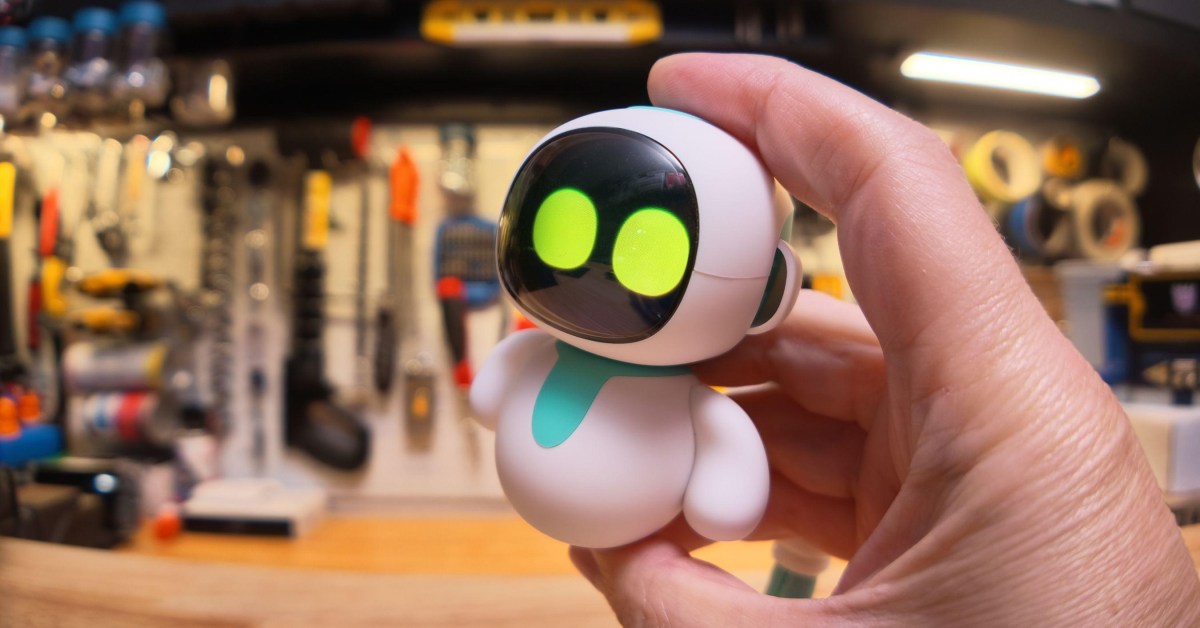
Researcher Sammy Azdoufal discovered Energize Lab's Eiliko robot stores 13 million conversations from 68,000 t…
ZOZO NEXT and AVITA signed an MOU on joint research into textiles and clothing specialized for humanoid robots…

Day 2 at TechCrunch Disrupt 2026 in San Francisco's Moscone West features speakers from Nvidia, Waabi, Flock S…

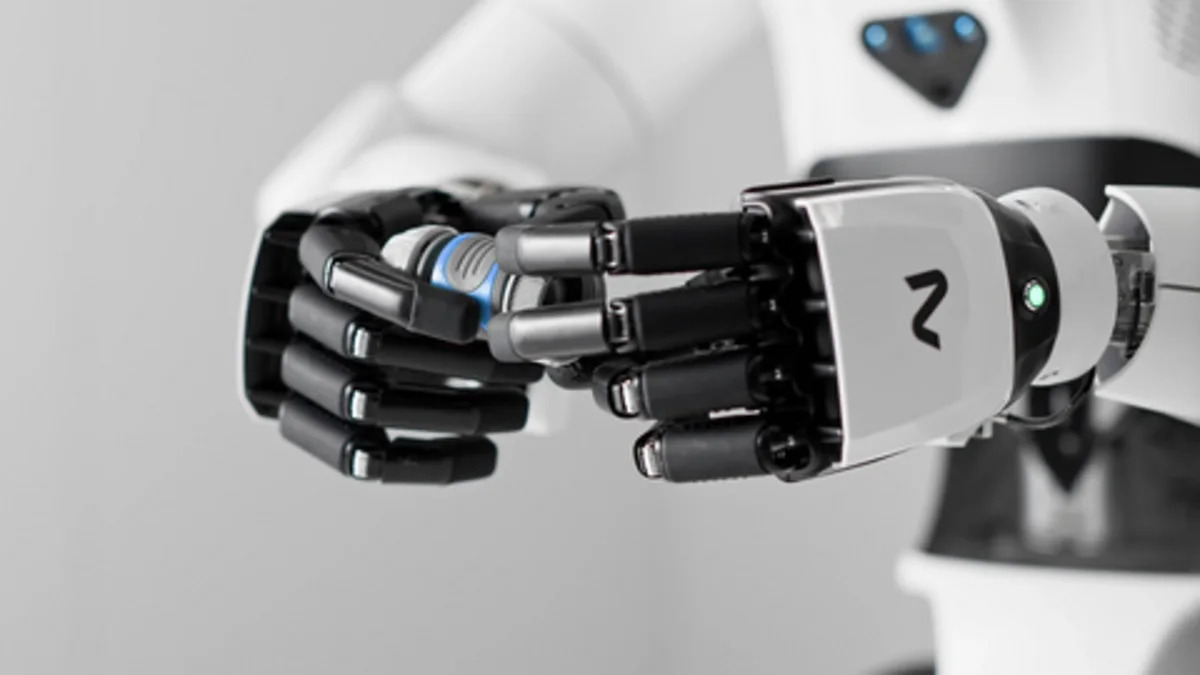
NEURA Robotics introduced Neuron AI, a multimodal foundation model combining 3D vision, touch, audio, robot st…
Dyna Robotics released Dyna-2.1, a physical robot agent built around its Dyna-2 world-action model, which it s…

SoftBank CEO Masayoshi Son spoke about superintelligence, AI investing, and the future of robotics, in a discu…