
What happened
A developer built Nitpicker, an open-source AI tool that reviews GitHub pull requests and flags issues in code changes. It can run on AWS Lambda, Cloudflare Workers, GitHub Actions, or a user's own server, and costs pennies to operate.
Why it matters
The creator was quoted $1M for AI-powered PR review from a vendor, prompting them to build an alternative. Nitpicker keeps code reviews private (PRs don't become training data), uses fewer tokens for faster reviews, and can be self-hosted and audited — avoiding lock-in to cloud-only vendor solutions.
What to watch
Installation is one line (curl -fsSL https://nitpicker.dev/install | bash). The tool is free and open source, letting teams audit the prompts and retain full control of their code diffs.
Summaries like this, in your inbox every morning.
The announcement reflects a growing tension in the AI tooling market: vendors offering specialized AI services at enterprise prices, versus developers building lean, self-hosted alternatives. The creator's $1M quote from an unnamed vendor became the catalyst—a common inflection point where a single prohibitive estimate pushes a team to in-house solution. Nitpicker positions itself around three concrete pain points: cost (enterprise vendors charge heavily per review), privacy (vendor tools can train on submitted code), and flexibility (cloud-only lock-in). The tool's emphasis on "token-stingy" reviews and support for multiple deployment targets (Lambda, Workers, Actions, or BYOS) suggests it targets teams already running their own infrastructure and seeking to avoid both vendor dependency and large language model token spend. The one-line install and open-source licensing are deliberate signals of accessibility and auditability—removing friction for adoption and trust.
Pick your industry and the AI tools you use, and get news related to your work every day.
Free · 30 seconds with Google · unsubscribe anytimeWhat is AIToday? →
Ask AI anything about this article. The AI reads this article, earlier AIToday articles, and Wikipedia, and cites its sources. Q&As are published on this page for other readers too.
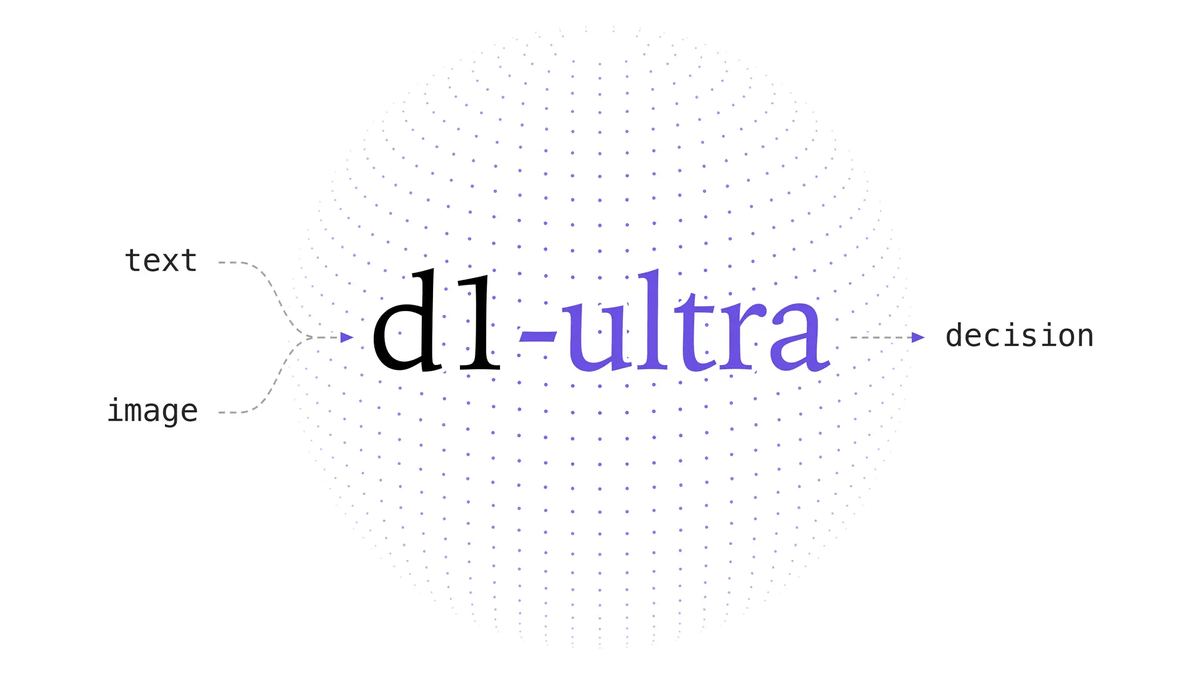
Liquid AI released d1-ultra on October 15, 2026, an upgraded open-weights decision model that averaged 76.7 ac…
NVIDIA released Nemotron 3.5 Super VL, an open-weight model with 120 billion parameters that handles text, ima…

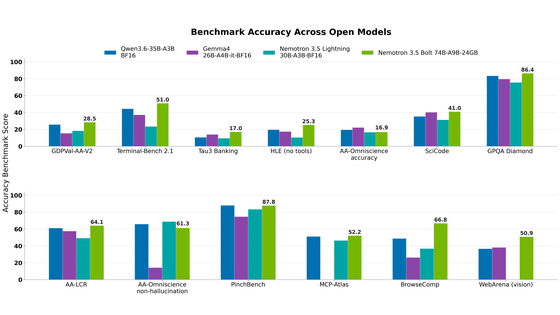
NVIDIA released Nemotron 3.5 Bolt 74B-A9B 24GB, an AI model for local agents that hits over 80 tokens per seco…
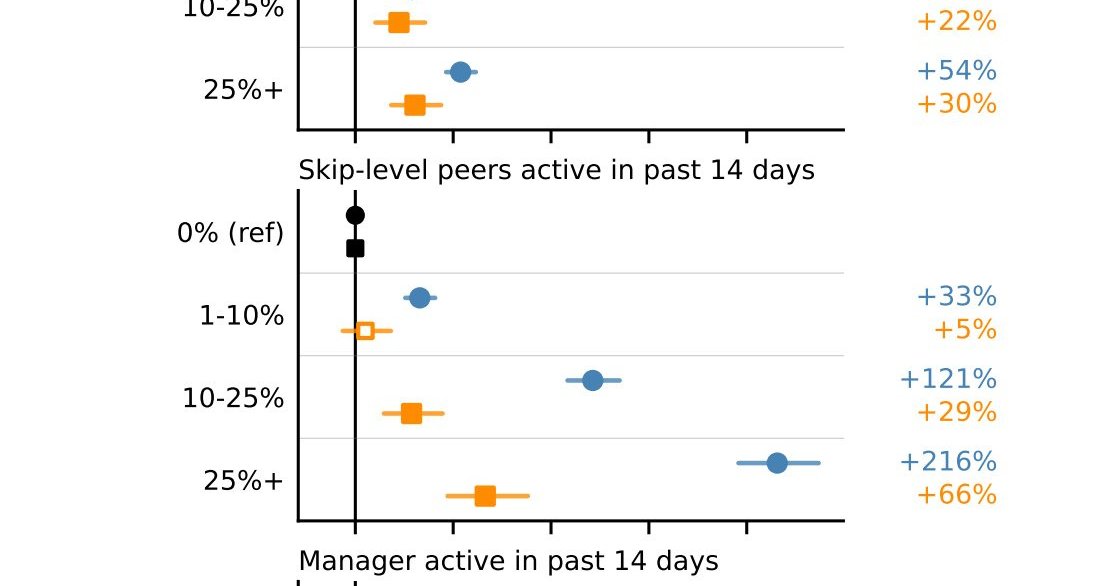
Researchers at Microsoft published a paper titled "Adoption and Impact of Command-Line AI Coding Agents: A Stu…
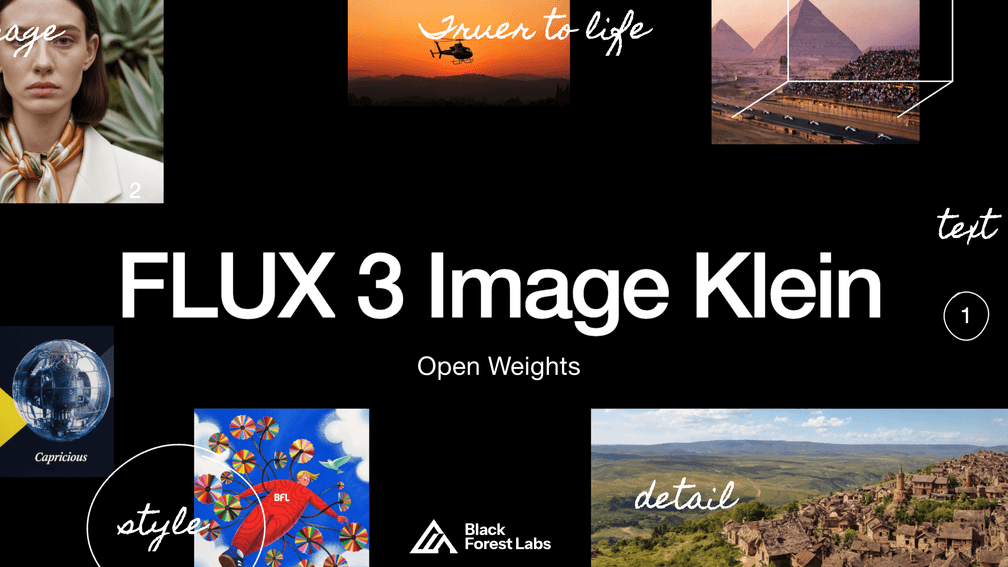
Black Forest Labs released FLUX 3 Image Klein as open weights on October 15, 2026 — a 5.6B-parameter model for…
Meta released Muse Spark Open, a 816B-parameter open-weight model (42B active via Mixture of Experts) that han…