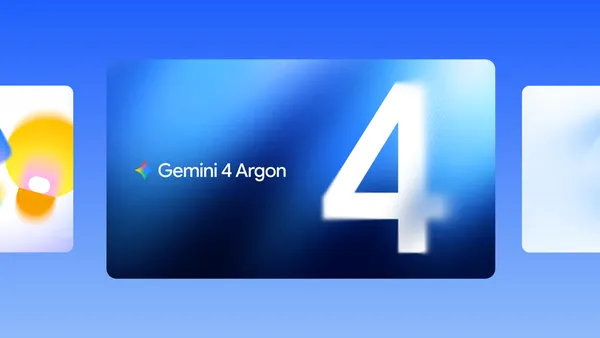
What happened
Google's September roundup is headlined by Gemini 4 Argon, a frontier model with a 1-million-token context window that is rolling out to trusted cyber defenders through the Fairwind Program.
Why it matters
The staged, defender-first release suggests Google is treating frontier capability as something to test with guardrails before opening it to developers, enterprises, and consumers, likely shaping how quickly those groups can use it.
What to watch
Google says it is gathering feedback from early testers to iterate on guardrails before expanding availability, so the pace hinges on whether that feedback clears the path. Also watch for wider availability beyond the Fairwind Program.
WHO IT HITSEnterprise security teams evaluating AI for defensive work are the first group in line for Gemini 4 Argon, while developers, enterprises, and consumers wait for Google to widen access after the Fairwind Program phase. Teams already building on Google's Gemini stack may see adjacent changes first, such as the new Connected Apps and the Windows app.
Summaries like this, in your inbox every morning.
September was an unusually broad month for Google AI, spanning a new flagship model, developer and consumer tools, and scientific projects. The roundup places Gemini 4 Argon at the center, paired with Gemini 3.8 Flash and 3.8 Flash Cyber, which Google frames as its best reasoning and coding performance at the same speed and low cost as 3.7 Flash. Alongside those, Google introduced voice models under Gemini 3.8 Live, text-to-speech models, Connected Apps such as Airtable, Linear, Adobe, and Peloton, and Lyria 3.5 for music generation.
Beyond everyday products, Google highlighted research and infrastructure work: AlphaGenome Atlas, a database predicting the effects of all 9 billion possible single nucleotide variants; MAPL-EMIT, built with NASA's Jet Propulsion Laboratory, which detected 50% more emissions than human experts and uncovered over 23,000 previously unmapped plumes; the first complete brain map of an adult male fruit fly with over 166,000 neurons; and Project Suncatcher, which will launch its first test satellite with Planet to test Google TPUs in orbit. Google also said its tools now support more than 300 languages spoken by 7 billion people, reaching 86% of the global population.
The throughline is a deliberate split between broad consumer rollouts and tightly gated frontier capabilities. Gemini 4 Argon's phased release to cyber defenders, and the Fairwind Program's role as the entry point for Flash Cyber, suggest Google is prioritizing guardrail feedback before opening access to developers, enterprises, and consumers. How fast that expansion happens is likely to depend on how early testers respond, and on whether Google's safety work keeps pace with the capability it is describing.
Pick your industry and the AI tools you use, and get news related to your work every day.
Free · 30 seconds with Google · unsubscribe anytimeWhat is AIToday? →
Ask AI anything about this article. The AI reads this article, earlier AIToday articles, and Wikipedia, and cites its sources. Q&As are published on this page for other readers too.
Airbnb CTO Ahmad Al-Dahle said about half of support tickets are now resolved purely by AI, 60% of code is AI-…

At Fortune's AIQ Summit, Booking Holdings CFO Ewout Steenbergen said hyperscalers spending hundreds of billion…
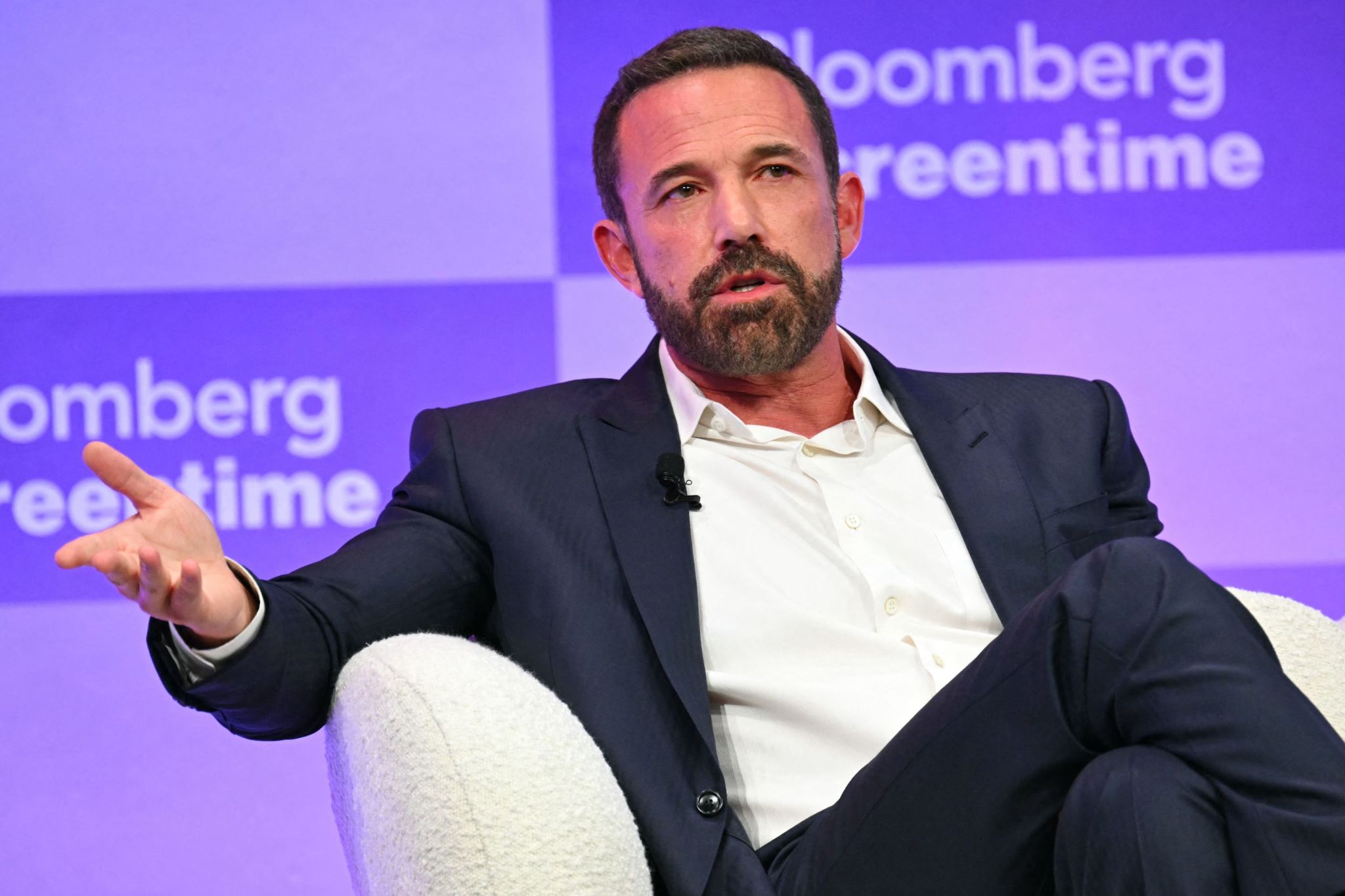
Ben Affleck told Bloomberg that once people actually use AI, the "It's going to kill us all" narrative looks l…
A Japanese edition of Machine Learning for High-Risk Applications (O'Reilly Japan, 2025) describes how Zillow'…
PwC Japan's spring 2026 six-country survey found only 9% of Japanese companies got effects that "greatly excee…

Gartner predicts over 40% of agentic AI projects will be canceled by the end of 2027