What happened
OpenAI, Columbia, and Wharton published a working paper analyzing ChatGPT Enterprise usage through March 2026. Among firms that have adopted the tool, larger companies show lower usage per employee—fewer messages, fewer weekly active users, and fewer tokens per head, all statistically significant. However, a fourth measure—messages per weekly active user—showed no significant relationship to company size, suggesting the gap stems from how many people use the tool, not how intensively they use it once they do.
Why it matters
The finding reframes where the real constraint lies for enterprise AI deployment. If the problem were engagement (how intensively active users work with the tool), training and enablement programs would fix it. Instead, the data shows the problem is penetration—getting employees to log in and use the tool at all. This means most organizational effort on AI adoption is focused on the wrong phase: companies are optimizing post-onboarding when they should be investigating why employees never return after their first session.
What to watch
The paper also found that firms most likely to adopt AI early were those that had already invested heavily in organizational and managerial overhead (measured by SG&A spending in 2021), not engineering capability. Early-career workers and trainees send roughly eight to nine more messages per week than average active users, while executives send fewer. The usage pattern suggests junior staff are producing high volumes of written material while senior staff consume summaries, a dynamic for which existing review processes may be poorly designed.
Summaries like this, in your inbox every morning.
The paper's headline findings—usage grew sevenfold and adoption skews toward larger firms—are unsurprising. The deeper insight lies in disaggregating the enterprise AI gap. Among adopters, larger headcount predicts lower usage per employee across three metrics (messages, weekly active users, output tokens), all statistically significant. Yet the fourth measure, messages per weekly active user, shows no significant relationship to company size. This null result is the paper's most consequential finding: it isolates the constraint. The large-firm usage deficit is not a problem of engagement—active users at a 200,000-person company are as engaged as active users at a 500-person company—but entirely a problem of penetration. Few employees in large firms are using the tool at all.
This distinction divides the addressable problem space. If engagement were the bottleneck, the solution would be training, better prompts, and internal evangelism—precisely what the enablement industry has built itself around. If penetration is the bottleneck, those interventions are irrelevant; they apply only after the employee has already chosen to return, which is happening less often in large firms. The paper offers no explanation for why non-returners don't return, and that absence is the urgent question. The dataset has no record of who was offered access and declined, or of second sessions that never occurred. Whatever barriers exist are operating before any post-onboarding machinery engages, a finding the paper acknowledges briefly but does not pursue.
Pick your industry and the AI tools you use, and get news related to your work every day.
Free · 30 seconds with Google · unsubscribe anytimeWhat is AIToday? →
Ask AI anything about this article. The AI reads this article, earlier AIToday articles, and Wikipedia, and cites its sources. Q&As are published on this page for other readers too.
Chunghwa Telecom president Rong-shy Lin said the shift from conversational AI to autonomous AI agents is resha…
CoreWeave fell 5% in premarket trading Friday and was on track to finish the week down 15%, after rebounding f…
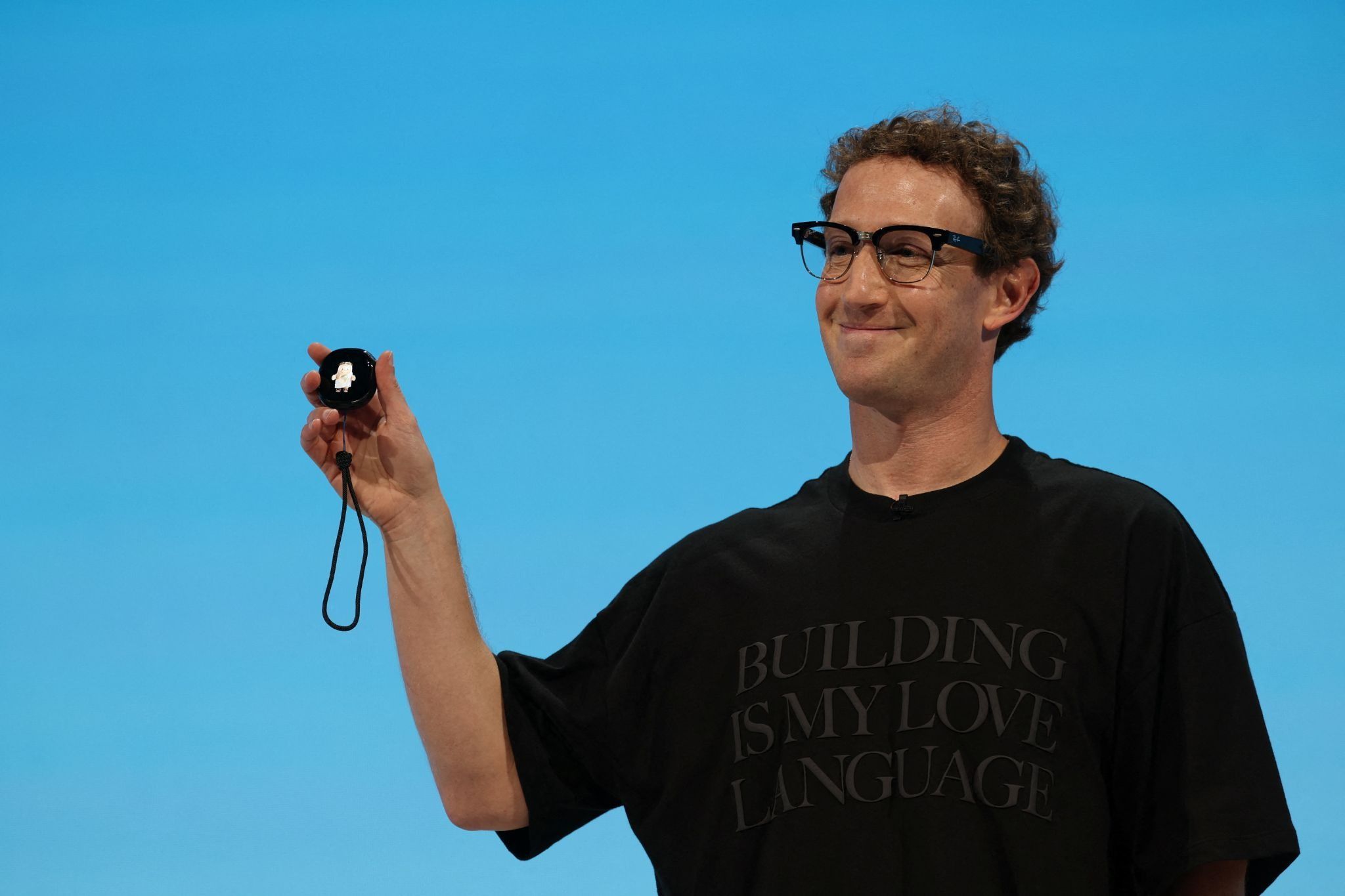
Apple and Meta said they would jointly release a new open-weight AI model designed to run on high-end Macs, ai…
Investors put $38.5 billion into Asian startups in Q3, per Crunchbase data

A writer and entrepreneur opened his daily to-do list and found 156 items, and concluded that an AI assistant…

A longtime Anthropic investor told Fortune he expects shares priced around $1.8 trillion, below the company's…