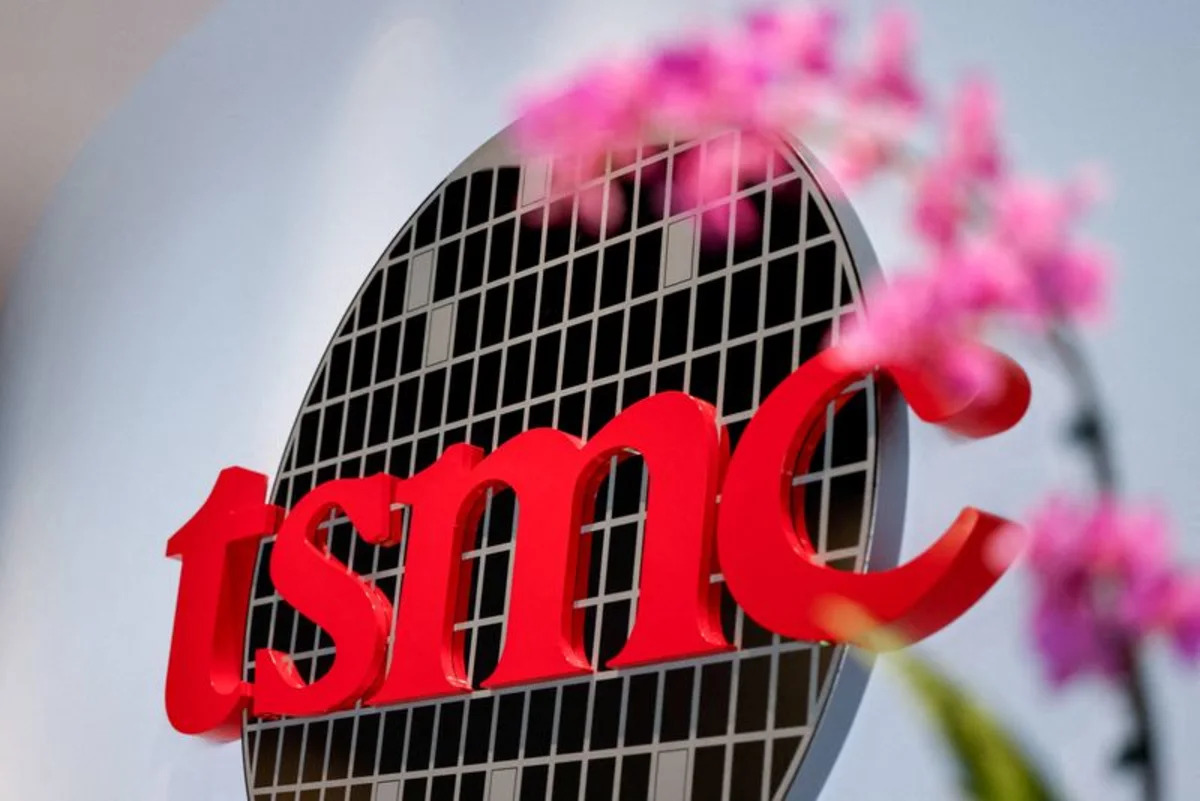
TSMC is committing an additional $100 billion(約16兆円) to expand its Arizona manufacturing footprint, bringing total Arizona investment to $265 billion(約42兆円), citing sustained multi-year demand for AI chips.
The company's first Arizona fab is already operational with yields matching its flagship Taiwan facility, signaling confidence in both the durability of AI demand and the viability of U.S. chipmaking.
The expansion is a win for President Trump's push to increase domestic semiconductor production, though TSMC says it must work with the government to address construction worker shortages and infrastructure gaps in Arizona.
What happened
TSMC announced a further $100 billion(約16兆円) investment to expand its Arizona facilities, raising total Arizona spending to $265 billion(約42兆円). The company's Chief Financial Officer Wendell Huang said TSMC's first Arizona fab is operational and achieving yields "as good as" its flagship Taiwan fab, while a second fab is preparing to move in equipment and construction is underway on a third fab and advanced packaging facility.
Why it matters
TSMC is the world's main producer of advanced AI chips and a major supplier to Nvidia, making its capital spending and profit margins a barometer of global semiconductor demand. The company's confidence in "strong, multi-year structural demand" for AI chips signals that the current AI boom is expected to sustain well into the future, not just a near-term spike.
What to watch
TSMC faces construction worker shortages in Arizona and plans to address infrastructure constraints in collaboration with the U.S. government. The company's total Arizona footprint will eventually include 12 fabrication and advanced packaging facilities plus an R&D centre, though no timeline was provided for the latest investment.
Ask the AI about this article →
Summaries like this, in your inbox every morning.
TSMC's decision to invest an additional $100 billion(約16兆円) in Arizona reflects confidence that demand for advanced AI chips will remain robust for years to come. The company's CFO explicitly described the demand as "multi-year structural demand," suggesting the AI boom is not a temporary spike but a sustained shift in computing infrastructure. This matters because TSMC is the world's primary maker of cutting-edge AI chips and a core supplier to Nvidia, giving its investment decisions outsized weight as a signal of industry health.
The announcement also serves as a strategic win for the Trump administration's semiconductor agenda. Trump has made domestic chip manufacturing a policy priority, repeatedly stating that he wants the U.S. to control 50% of global semiconductor capacity by the time he leaves office. TSMC's aggressive Arizona expansion, combined with the company's public gratitude for U.S. government support, aligns with this goal and demonstrates that one of the world's most advanced chipmakers views American manufacturing as viable and worth major capital commitment.
However, TSMC flagged a critical constraint: Arizona lacks sufficient construction workers and supporting infrastructure to execute these expansion plans smoothly. The company will need to coordinate closely with the U.S. government to address these bottlenecks. Meanwhile, TSMC continues to prioritize Taiwan for its most advanced technology development, investing in 13 new leading-edge and packaging fabs there in the coming years—a signal that the company views Taiwan as irreplaceable for cutting-edge R&D, even as it builds scale overseas.
For example, today's edition would include:
AI-summarized, only the topics you pick — one digest a day via Email, Slack, or Discord.
Free · 30 seconds with Google · unsubscribe anytimeWhat is AIToday? →
Ask AI anything about this article. Q&As are published on this page for other readers too.
In January, Ukraine's defense ministry said it would share millions of data points from tens of thousands of d…

OpenAI Group PBC acknowledged it did not publicly disclose an episode where its AI agents wrote to outside web…

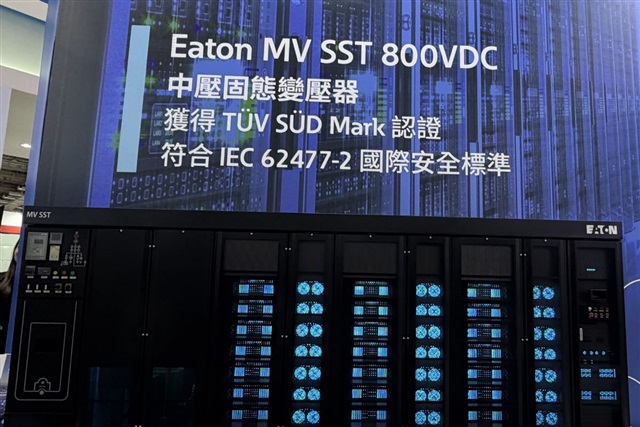
Eaton is expanding beyond traditional power management into modular power deployment, next-generation DC conve…
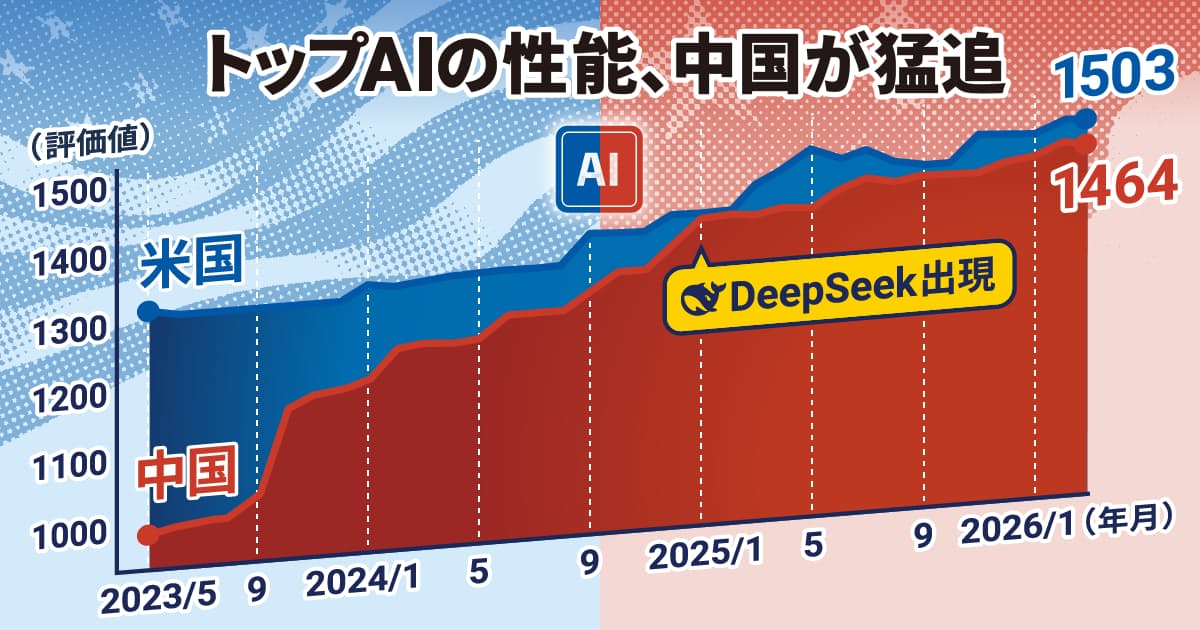
Stanford University reports that the performance gap between top US and Chinese AI models has narrowed sharply…
A new lawsuit alleges Meta turned footage captured through its AI-powered Meta Glasses into training data for…

Marvell Technology stock rose 6% to $220.54 on Friday, while Qualcomm fell 0.33% to $168.01