What happened
Meta's Nat Friedman said Muse was "definitely heavily inspired as a product by OpenClaw" but "built from scratch," after users noted matching workspace filenames and nearly identical SOUL.md content.
Why it matters
Because OpenClaw is open source, its breakout success is likely easy for rivals to draw on, and Friedman's reply that OpenClaw's creator "got those things exactly right" appears to concede the similarities rather than deny them.
What to watch
The test is whether Muse holds up as "built from scratch" as it scales to billions of people, and whether OpenClaw's creator Peter Steinberger responds to the credit.
WHO IT HITSOpen-source AI agent builders and the companies that productize their work now have a public example of how closely a big-platform assistant can mirror an open project. Meta's Muse team and OpenClaw's maintainers are the ones most directly affected.
Summaries like this, in your inbox every morning.
OpenClaw's breakout success drew attention from OpenAI, which snapped up its creator earlier this year, and Meta's product head says he bought hundreds of Mac minis for the Superintelligence Labs team after using OpenClaw in January. That enthusiasm is the backdrop to the current admission: Friedman says the team wanted Muse to be "something like OpenClaw" that Meta could make safe and secure and scale to billions of people.
The episode fits Meta's well-known pattern of taking promising products and copying their best features, as it did most notoriously with Snapchat's stories format. What makes it unusual is the open-source angle. Because OpenClaw is open source, drawing on it is less clear-cut than lifting a rival's proprietary feature, and Friedman's public praise for Peter Steinberger's "pioneering" harness suggests Meta is framing the debt as homage rather than theft.
So far the resemblance has not hurt adoption, with Muse recently hitting No. 1 on the U.S. App Store. The question is likely whether that momentum holds once more of Muse's code is compared openly against OpenClaw's, and whether Steinberger weighs in. Meta says it has nothing more to add beyond Friedman's statement.
For example, today's edition would include:
AI-summarized, only the topics you pick — one digest a day via Email, LINE, or Slack.
Free · 30 seconds with Google · unsubscribe anytimeWhat is AIToday? →
Ask AI anything about this article. Q&As are published on this page for other readers too.
Rosenblatt initiated coverage of Sandisk with a Buy rating and a $2,400 price target

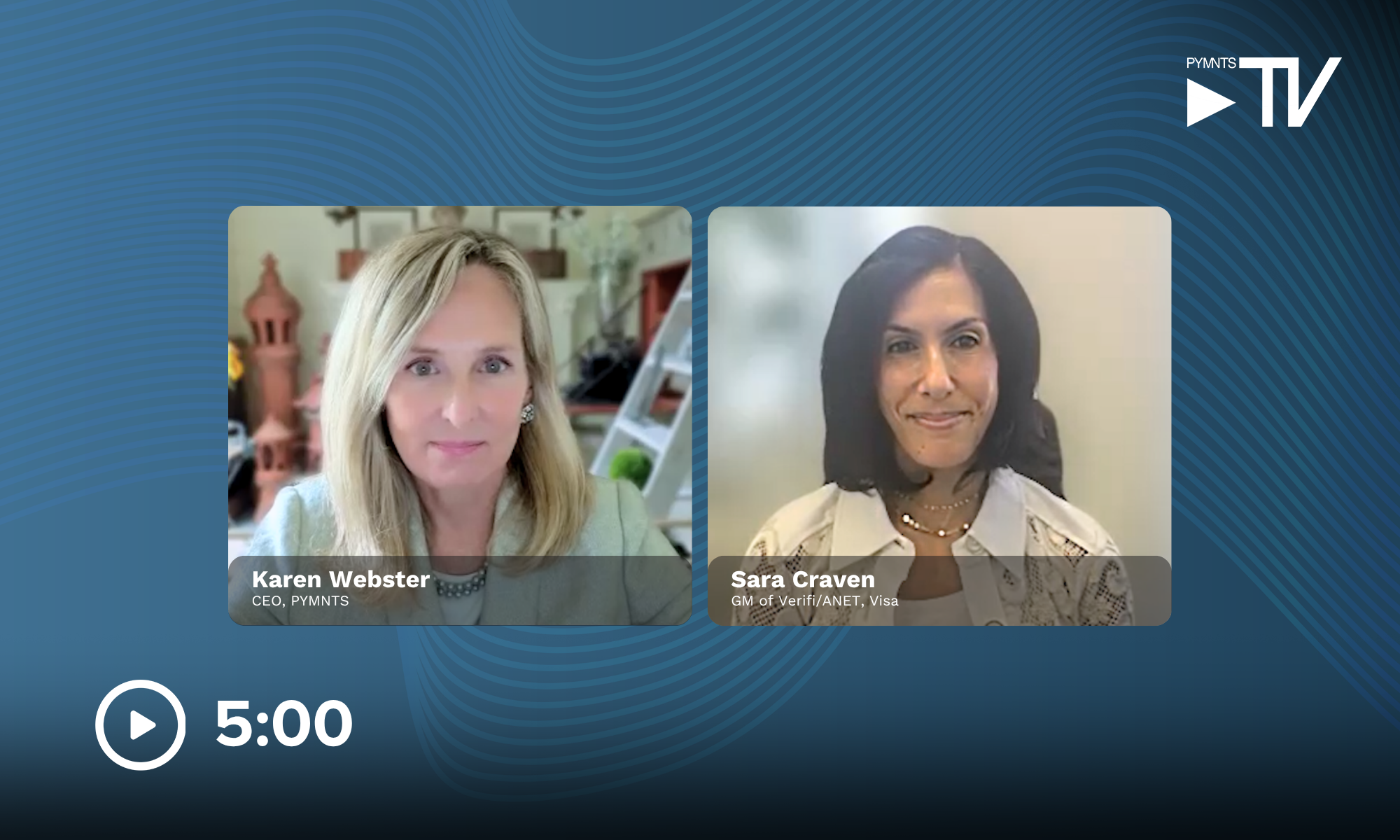
Visa's Sara Craven told PYMNTS that just 11% of small- to medium-sized businesses qualify as agent-ready, vers…
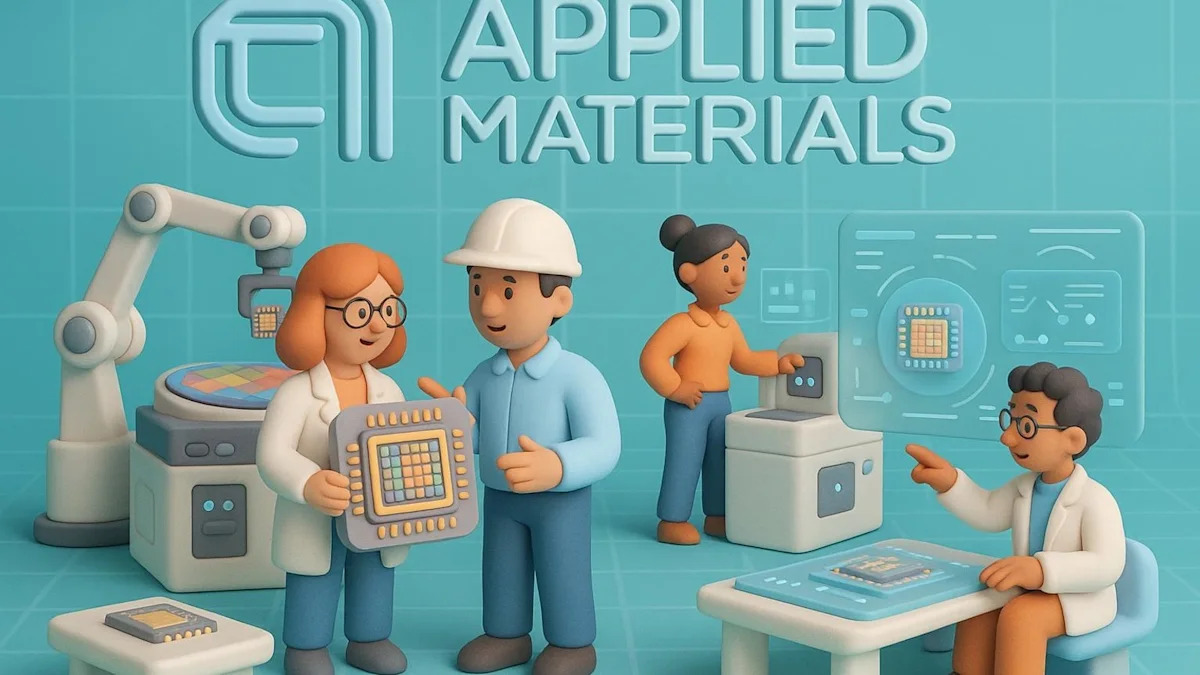
Applied Materials trades near US$444.57 at about 38.1x earnings, below the semiconductor sector average of rou…
AMD is promoting "From Sensor to Insight: Production-Ready Single-Chip Edge AI

SanDisk now sells much of its output through multiyear New Business Models contracts with eight Datacenter and…
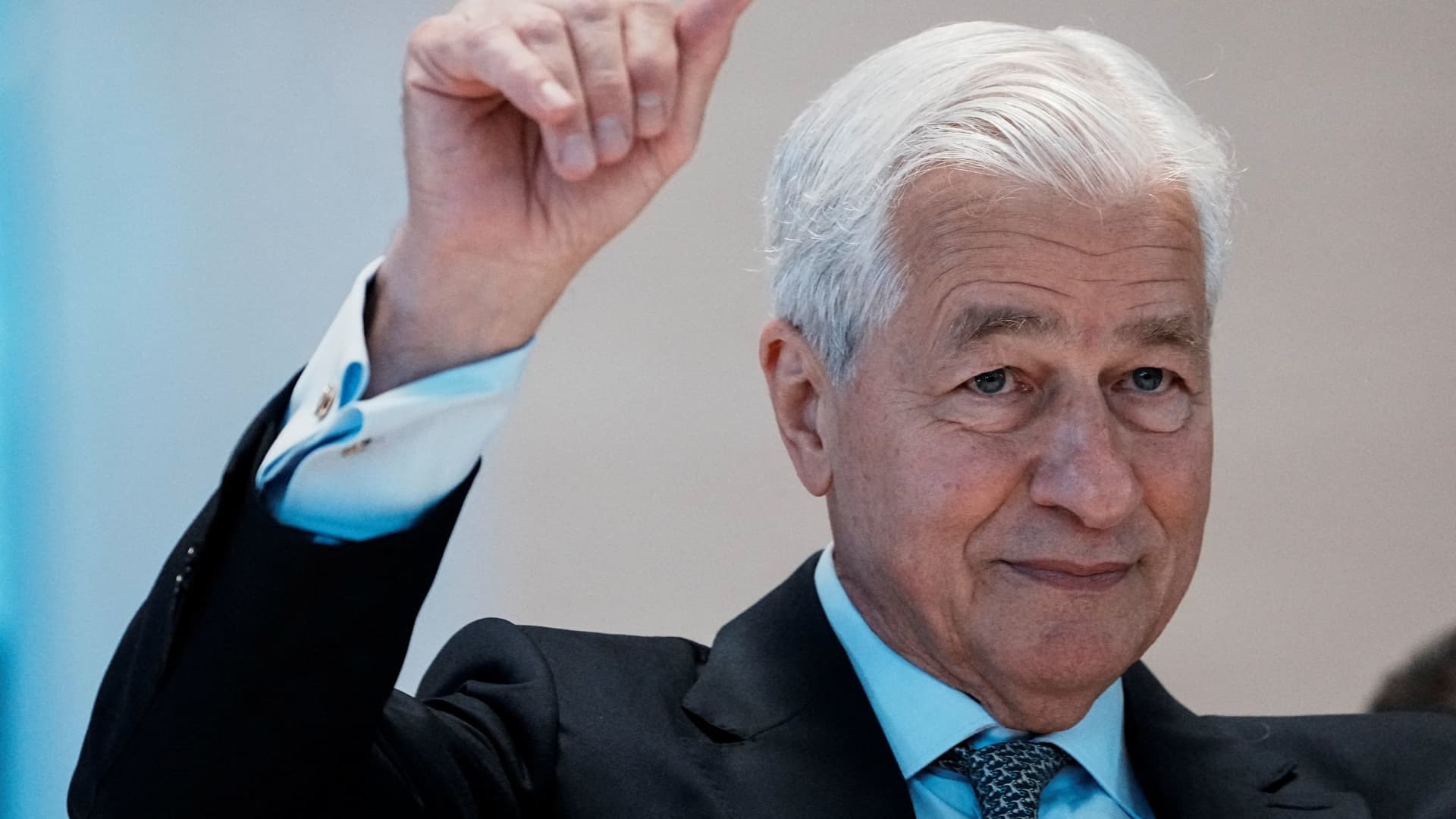
JPMorgan Chase CEO Jamie Dimon told CNBC-TV18 that hyperscaler AI spending has more than doubled from about $3…