What happened
Snowflake has introduced its Data-Model-Agent security framework, which organizes agentic AI security into three layers: the data layer (enforcing least privilege, masking, and data movement controls), the model layer (protecting against prompt injection and manipulation), and the agent layer (governing agent identity, tools, and approvals). The framework includes Snowflake Horizon AI Guardrails to defend against prompt injection attacks, integration of Natoma for centralized MCP tool governance, and sandboxed environments for code-generating agents.
Why it matters
AI agents can query sensitive data, call tools, and execute tasks at scale and speed, creating new security risks that traditional security models cannot handle. Without distinct agent identity and tool governance, machine actions can be difficult to track and audit, and the security perimeter expands whenever an agent connects to external applications. Security teams now need to ensure agents operate safely and are limited to only the data and tools they require.
What to watch
Snowflake Trust Center provides AI Security Posture Management to identify vulnerabilities in AI workloads, and the platform supports multi-party approval and business justification for highly sensitive operations. The Natoma integration comes built in with more than 100 MCP servers and 10,000 tools, removing the need for employees to deploy shadow AI open source servers.
Summaries like this, in your inbox every morning.
Pick your industry and the AI tools you use, and get news related to your work every day.
Free · 30 seconds with Google · unsubscribe anytimeWhat is AIToday? →
Ask AI anything about this article. The AI reads this article, earlier AIToday articles, and Wikipedia, and cites its sources. Q&As are published on this page for other readers too.
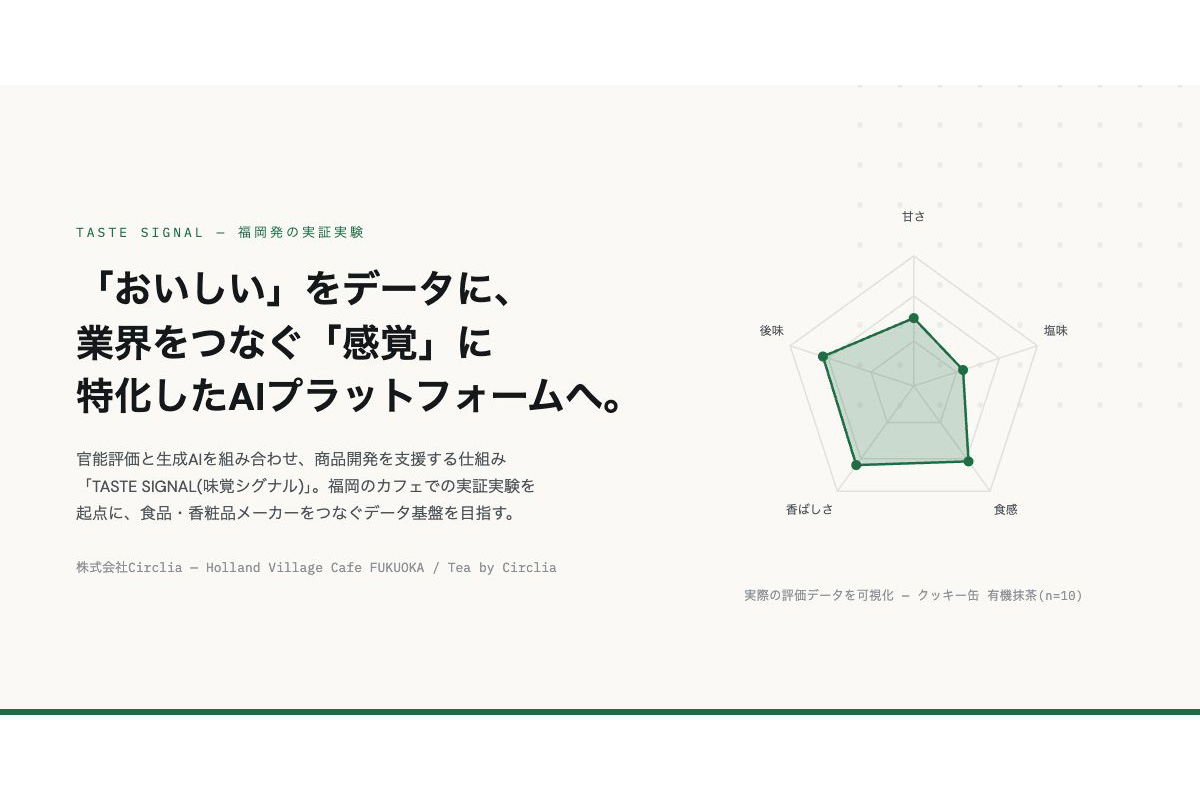
Circlia started a proof-of-concept for TASTE SIGNAL: visitors to Holland Village Cafe FUKUOKA taste cookies an…
In a webinar hosted by French Mathematical Society president Isabelle Gallagher, Fields Medal winner Hugo Dumi…

NVIDIA released Nemotron 3.5 Super VL, an open-weight model with 120 billion parameters that handles text, ima…

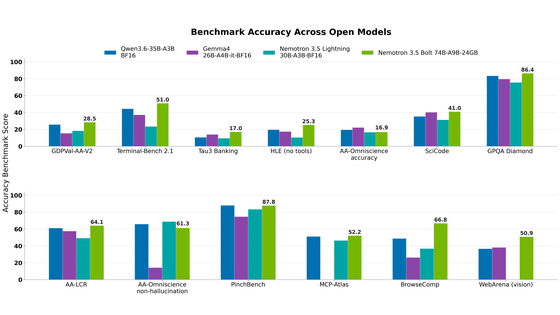
NVIDIA released Nemotron 3.5 Bolt 74B-A9B 24GB, an AI model for local agents that hits over 80 tokens per seco…
NVIDIA published a blog post titled "AI Security Is an Engineering Problem - How to Solve It at Every Layer of…

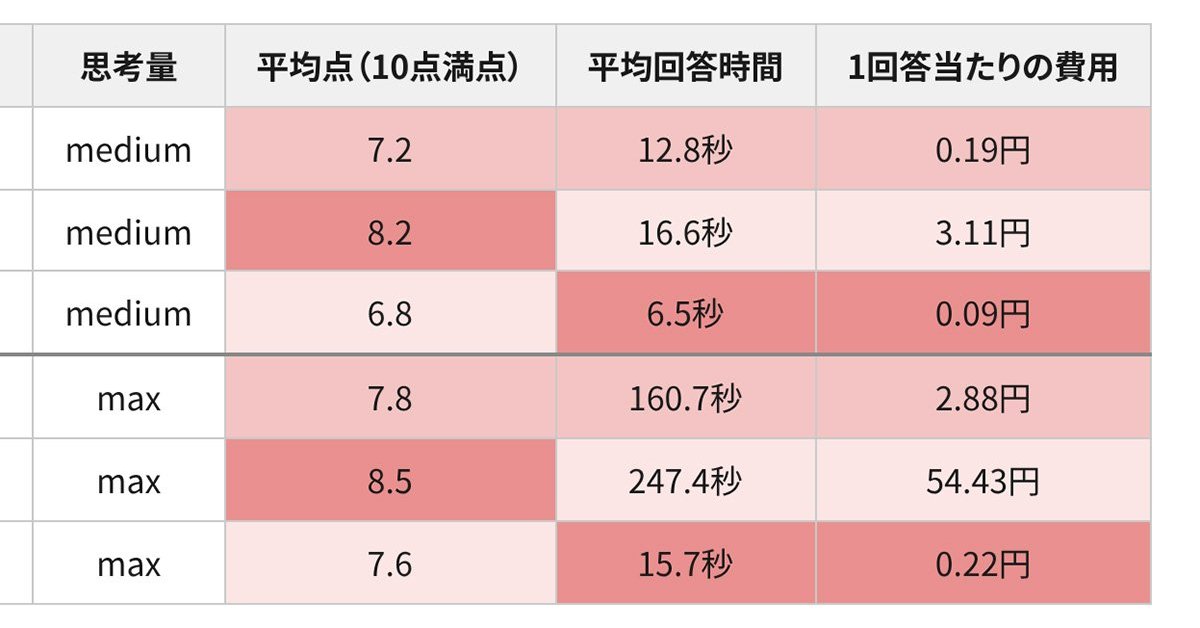
In the test, Haiku 5.5 on medium setting averaged scores close to Sonnet 5.5 on routine documents at about 1/1…