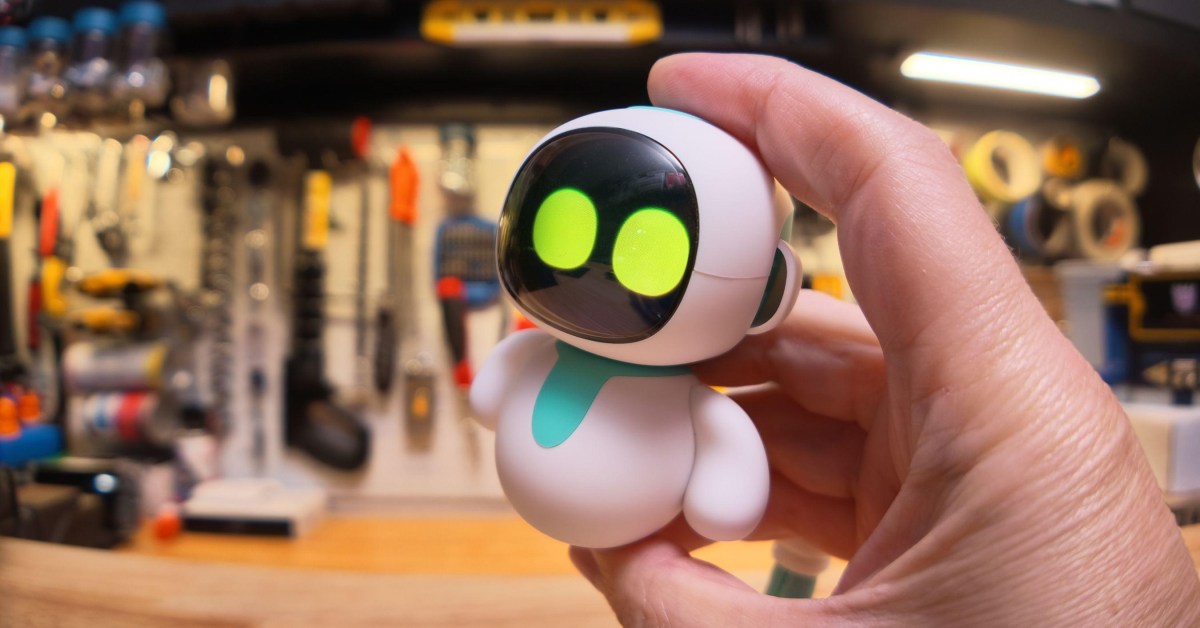
Physical AI systems must operate autonomously in the real world through continuous sense-think-act loops—perceiving their environment, reasoning about it, and acting on those insights in real time. This differs from earlier AI phases confined to digital outputs on screens.
Edge processing (running AI locally on embedded devices) is essential for physical AI because cloud reliance introduces unacceptable latency and connectivity risks in real-world control loops. A hybrid model emerges in which the cloud trains models while the edge executes decisions at the moment of action.
Task-specific robots—designed to excel at one defined task rather than replicate all human capabilities—are scaling across homes, hospitals, warehouses, and infrastructure. Examples include robotic vacuum cleaners, Husqvarna's AI-enabled lawn mowers, autonomous drones, and warehouse systems, each optimized for reliability, efficiency, and cost-effective mass deployment rather than general-purpose humanoid flexibility.
Summaries like this, in your inbox every morning.
Pick your industry and the AI tools you use, and get news related to your work every day.
Free · 30 seconds with Google · unsubscribe anytimeWhat is AIToday? →
Ask AI anything about this article. The AI reads this article, earlier AIToday articles, and Wikipedia, and cites its sources. Q&As are published on this page for other readers too.
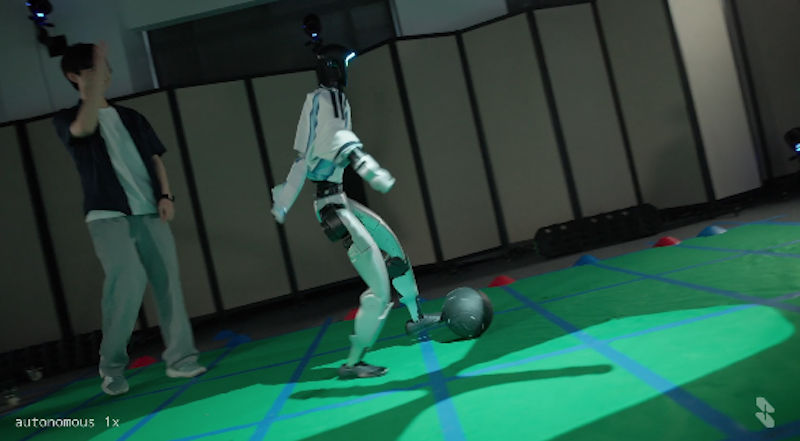
Skild AI used Nvidia Isaac Sim to give its S1 model one objective — score a goal — and let it compete against…
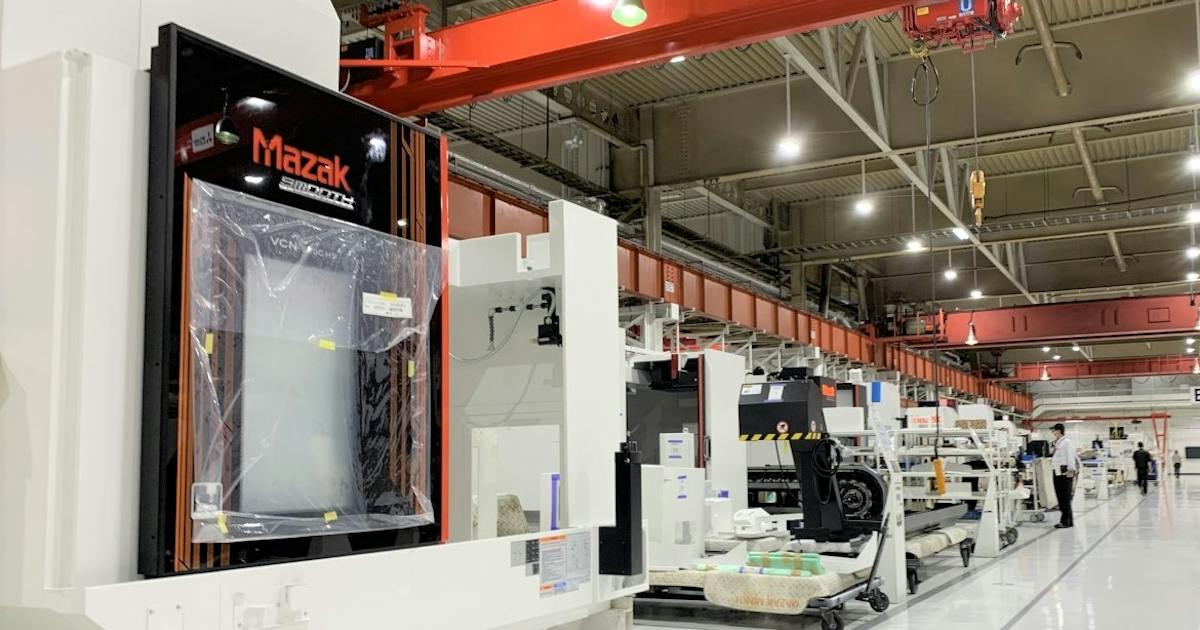
Yamazaki Mazak and ABEJA said on the 16th they will start joint development of physical AI, using ABEJA's ABEJ…
Toyota Motor's Japan Mobility Show Bizweek 2026 booth centers on its AI basketball robot CUE7, has no other ex…
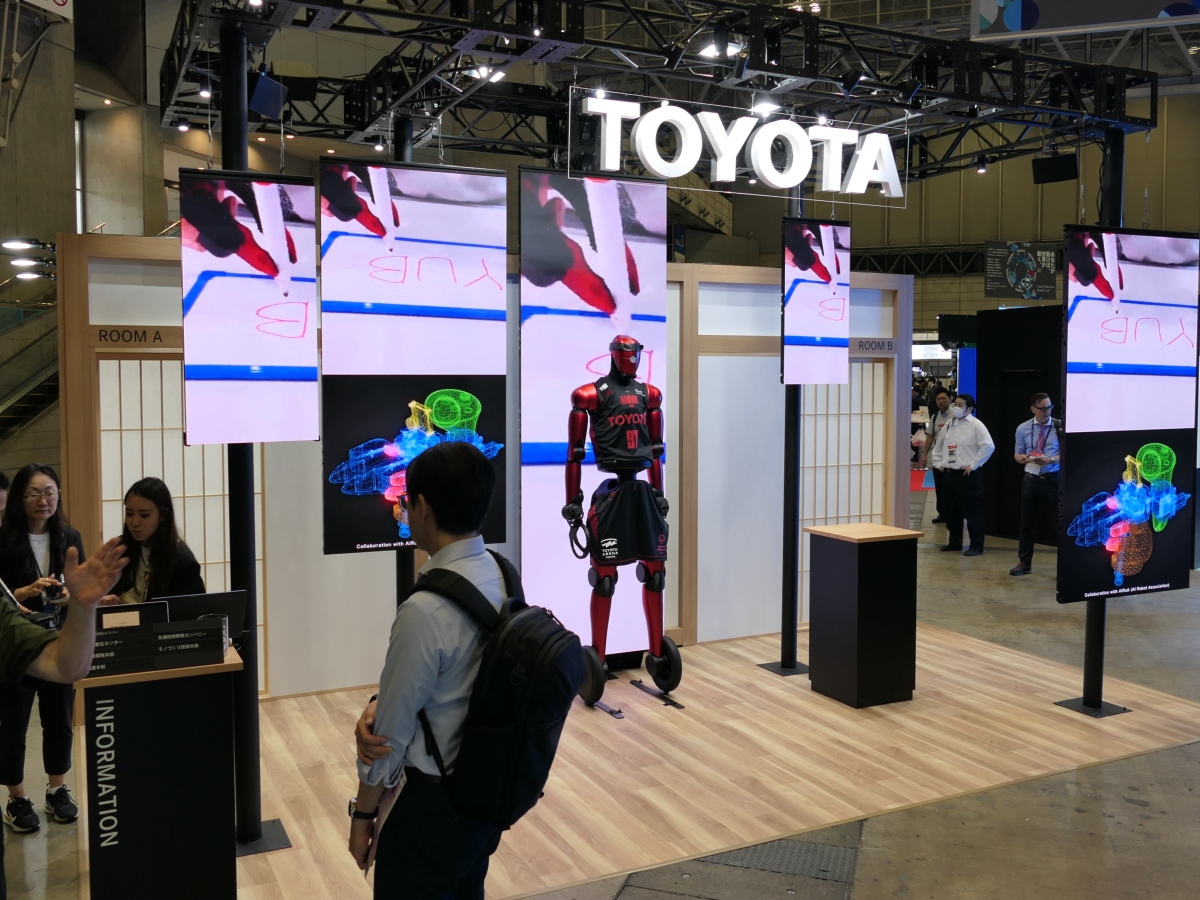
Japan Mobility Show Bizweek 2026 showcased Physical AI applications, including Toyota's basketball-playing rob…
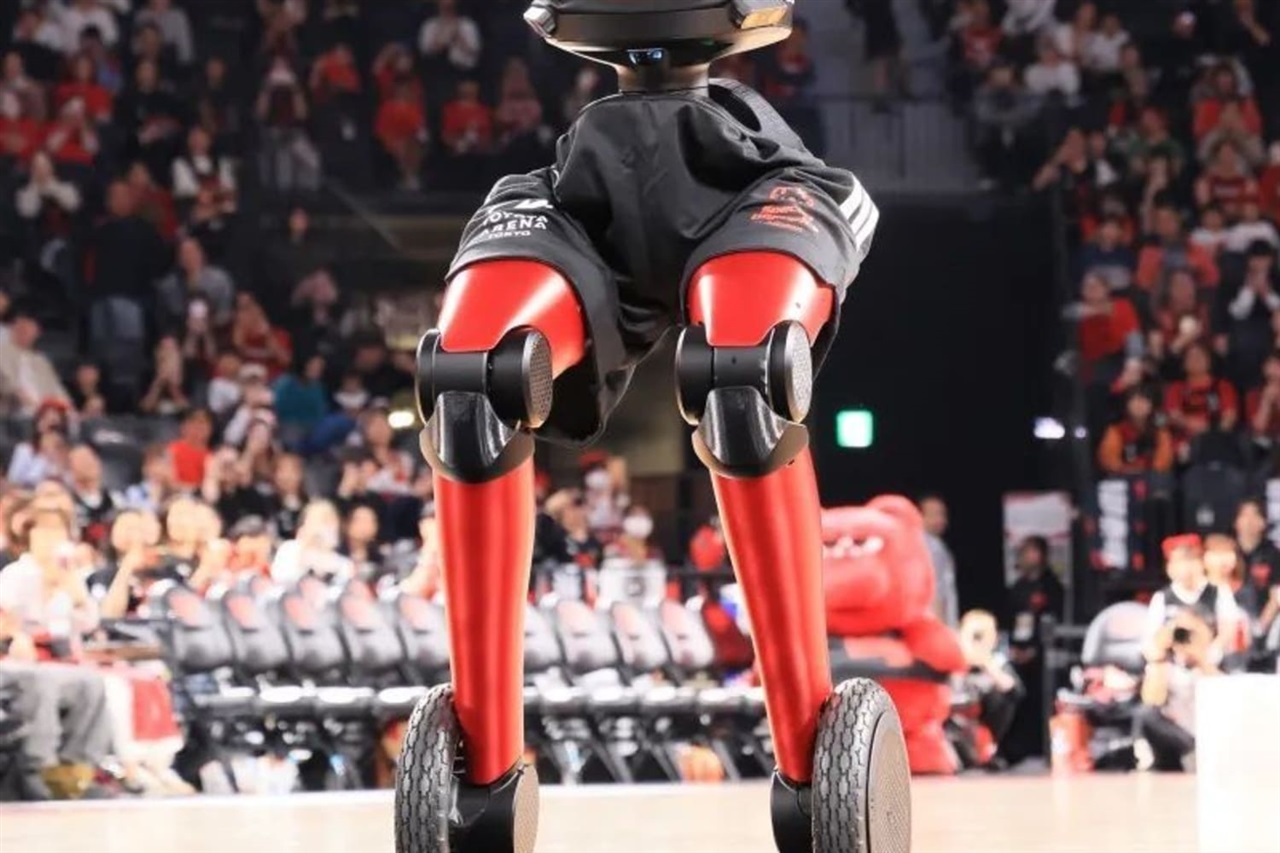
Google pitched Gemini 4 Argon as one model for robot control, simulation and training-data review, saying it s…
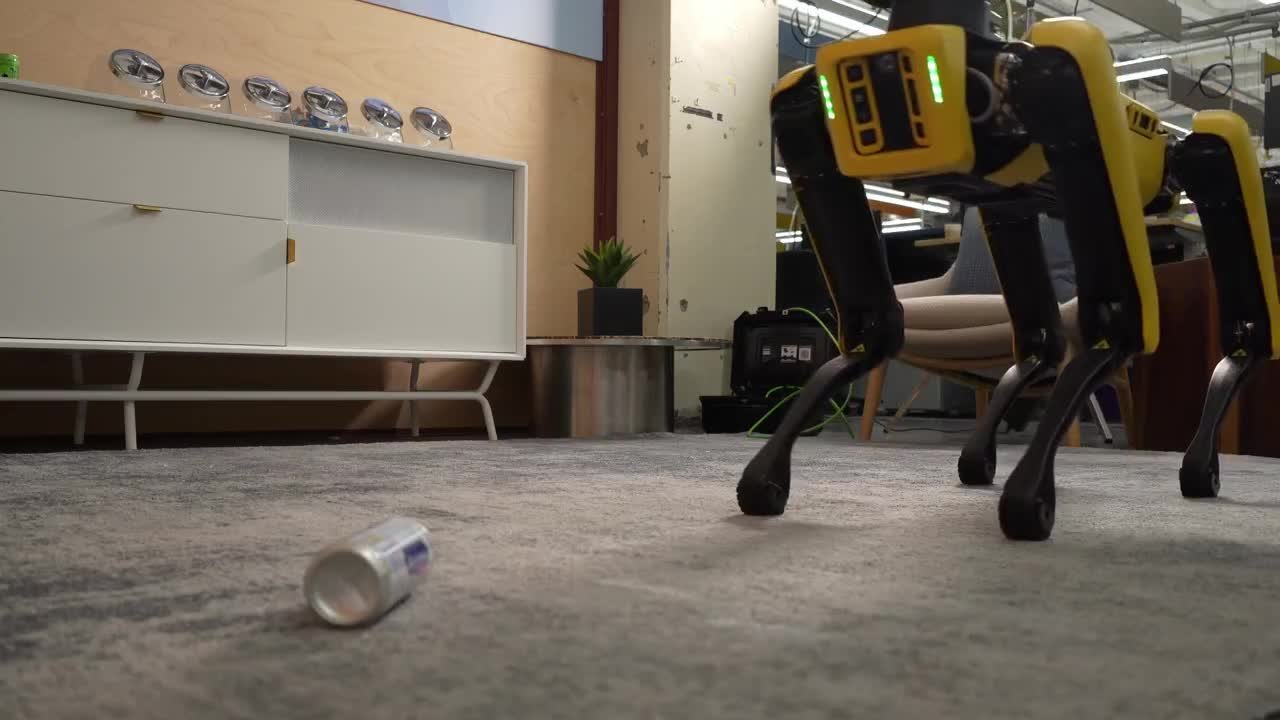
Researcher Sammy Azdoufal discovered Energize Lab's Eiliko robot stores 13 million conversations from 68,000 t…