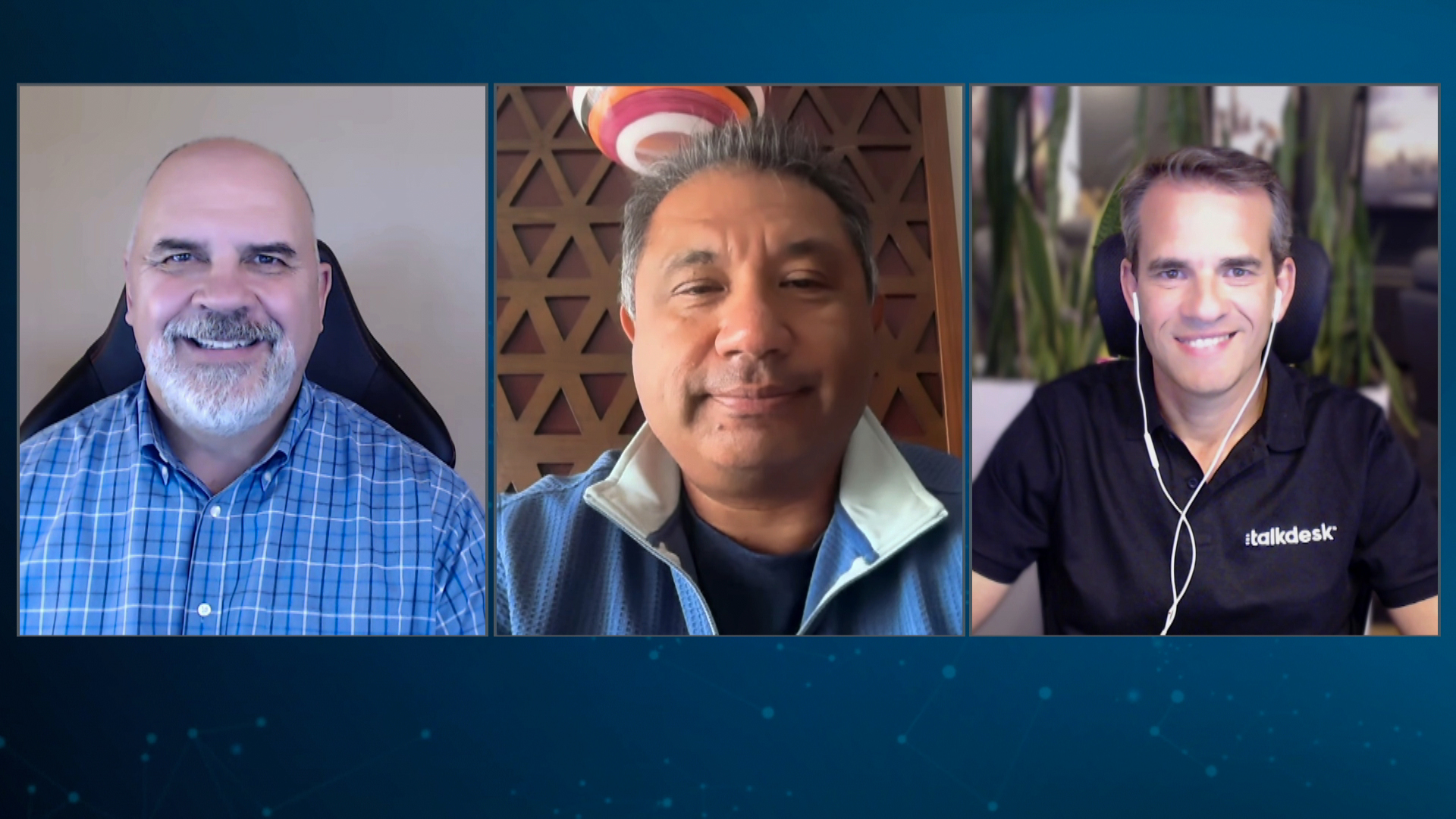
What happened
Pedro Andrade, Talkdesk's VP of AI and generative AI business specialist, told theCUBE that CXA is "an operating model," not a product category, and Talkdesk research found 98% of companies deployed AI somewhere in the customer journey while only 15% combine agentic AI with cross-departmental orchestration.
Why it matters
The gap is not the model — compliance (50%), security (48%) and disconnected systems (45%) are the cited blockers, and Talkdesk says CXA leaders report about four times the net promoter score improvement of less mature adopters, 22% versus 5%.
What to watch
Andrade says success hinges on automating the whole journey rather than one point of failure, and supervisors will shift from writing scripts to evaluating and course-correcting AI agents, with measurement moving from average handle time to time from opening a problem until it gets closed.
WHO IT HITSContact center supervisors, operations managers and CX leaders at companies that have already deployed a chatbot or agent-assist panel are the ones who will have to build the governance, integration and workflow orchestration Andrade describes. IT and compliance teams also carry the load, since compliance and disconnected systems are the top cited blockers.
Ask the AI about this article →
Summaries like this, in your inbox every morning.
Talkdesk's research puts a sharp number on a pattern many contact centers already sense: AI has spread wide but not deep. Nearly every company has deployed it somewhere along the customer journey, yet only a small slice combine agentic AI with cross-departmental orchestration. Andrade locates the obstacle outside the model itself, pointing to compliance, security and disconnected systems as the most-cited blockers rather than raw AI capability.
The distinction shows up in the outcomes Andrade describes. Companies Talkdesk classifies as CXA leaders report roughly four times the net promoter score improvement of less mature adopters, 22% versus 5%, while cost-per-contact gains separate the two groups far less sharply. Churn prediction and personalized recommendations show a similar spread, which is why Andrade argues that savings alone understate the value AI can deliver.
What that means in practice is a shift in the supervisor's job. Talkdesk built its CXA Operations Center around the idea that supervisors will evaluate, monitor and course-correct AI agents much as they do human ones, moving from writing scripts to watching behavior, and measuring time from opening a problem until it gets closed rather than average handle time alone. Andrade also pushes the end state beyond inbound calls into proactive outreach — service reminders, renewals, collections — on the logic that the call is usually the last step of a journey that began somewhere else. Whether that broader orchestration takes hold depends less on the models than on the governance and integration work the research says most companies have yet to do.
For example, today's edition would include:
AI-summarized, only the topics you pick — one digest a day via Email, Slack, or Discord.
Free · 30 seconds with Google · unsubscribe anytimeWhat is AIToday? →
Ask AI anything about this article. Q&As are published on this page for other readers too.
OpenAI reportedly agreed to buy smartphone camera software startup Glass Imaging for more than $300 million, p…

Aron Inc. launched with $8 million raised across two rounds

At the AI ROI in Contact Center Summit, analysts Bob Laliberte and Zeus Kerravala said contact center AI ROI w…
In a Google DeepMind experiment, 100 Gemini 3.1 Pro agents were told to act as top math researchers and solve…

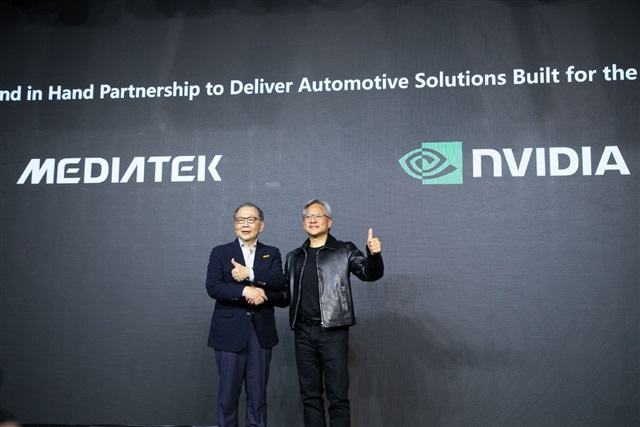
Nvidia invested US$3.5 billion in MediaTek convertible bonds, expanding cooperation into custom AI chips, AI P…
TechTouch surveyed 319 people overseeing generative AI at firms with over 1,000 employees