What happened
Physical AI companies have raised more than $23 billion(約3.7兆円) in venture capital in 2026 so far, with major deals including Waymo's $16 billion(約2.6兆円) Series D, Skild AI's $1.4 billion(約2200億円) Series C, NEURA Robotics' $1.4 billion(約2200億円) Series C, and Physical Intelligence's $1 billion(約1600億円) in funding.
Why it matters
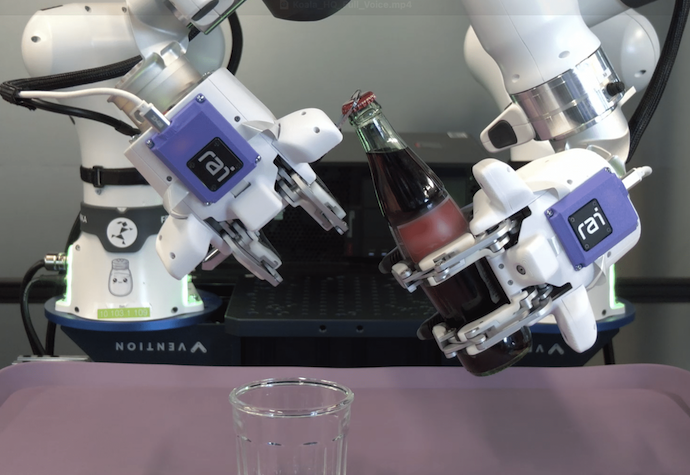
Robots are shifting from relying solely on deterministic programming to using AI to perceive, comprehend, decide, and act autonomously. This shift is enabling automation in factories, warehouses, and other domains, with companies betting on physical AI to address labor shortages and precision needs across multiple markets.
What to watch
Much of the investment focus has been on foundation models, improving industrial automation, and autonomous vehicle and humanoid form factors. The biggest expectations are concentrated in North America.
Summaries like this, in your inbox every morning.
Robotics developers have worked with AI for years, but recent funding patterns and industry momentum signal a fundamental shift in the relationship between the two disciplines. Rather than bolting AI onto deterministic systems, companies are now building robots where AI is central to perception, decision-making, and action. This architectural change reflects growing confidence that physical AI can solve real problems — labor shortages, precision automation, and the scaling of manufacturing and logistics.
The concentration of funding in 2026, with more than $23 billion(約3.7兆円) raised so far, shows investor appetite is particularly strong in North America. The largest deals underscore where capital sees the highest near-term value: Waymo's autonomous vehicle focus, the mobile manipulator and humanoid platforms pursued by Skild AI and NEURA Robotics, and the foundation-model approach of Physical Intelligence. These firms are betting that domain-specific data and tailored training methods will unlock commercial applications across factories, warehouses, autonomous vehicles, and other sectors. At the same time, the body notes that successful physical AI depends on these domain-specific approaches rather than one-size-fits-all solutions.
For example, today's edition would include:
AI-summarized, only the topics you pick — one digest a day via Email, Slack, or Discord.
Free · 30 seconds with Google · unsubscribe anytimeWhat is AIToday? →
Ask AI anything about this article. Q&As are published on this page for other readers too.
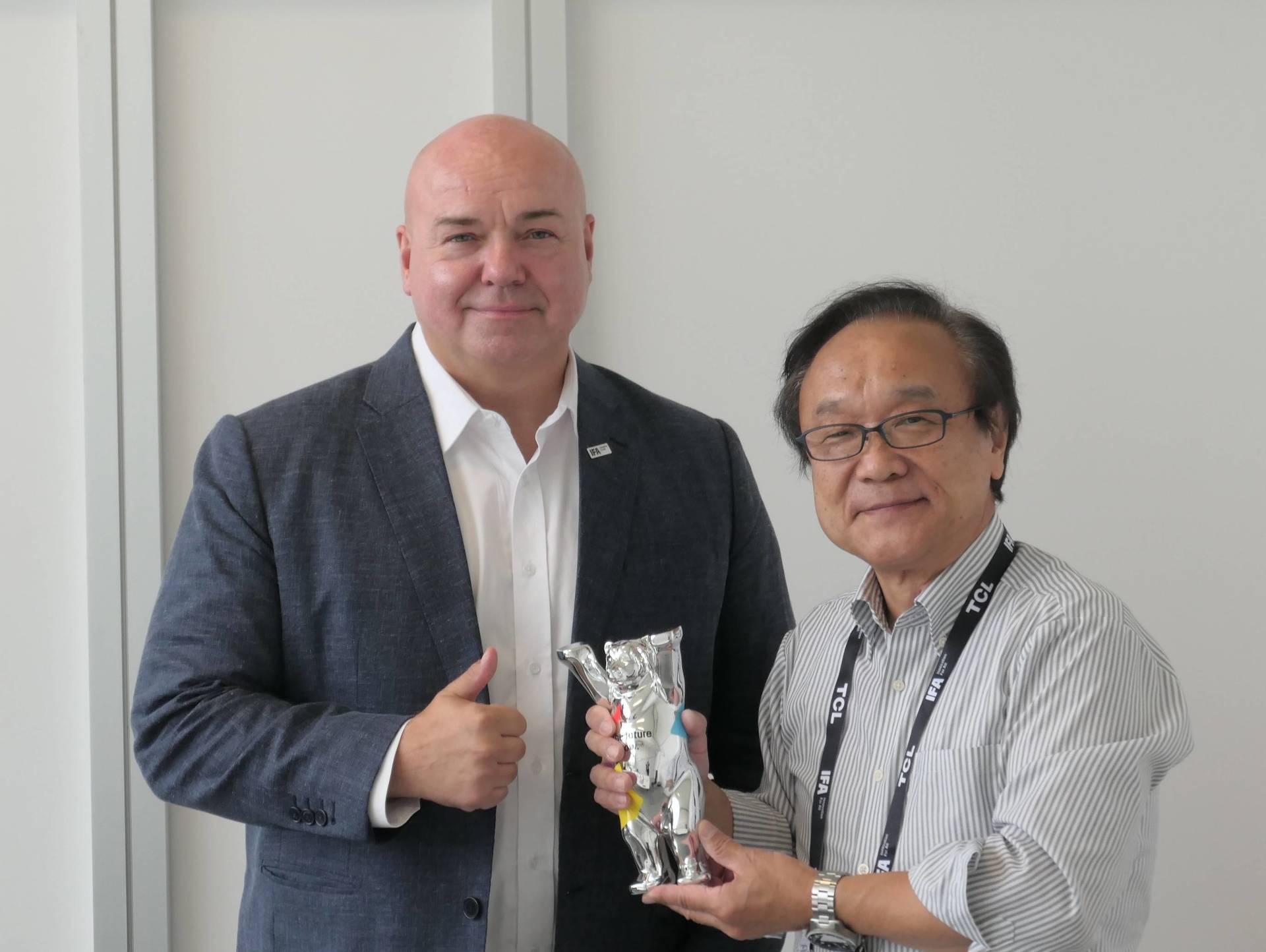
At IFA 2025 in Berlin, IFA Management CEO Leif Lindtner said Samsung Electronics left the fair after its leade…
UP.Labs, now Vantora, raised $100 million from Silversmith Capital Partners and shifted to building physical A…

Toyota Motor Europe said at a mid-September investor tech briefing that it will deploy 400,000 self-developed…

住友電装 and エクサウィザーズ said they began jointly developing AI agents for production floors, pairing them with camera…

Reuters reported that Anthropic PBC opened a wet lab in the San Francisco Bay Area, where robots powered by it…
SoftBank Group agreed to acquire the Robotics and AI Institute from Hyundai Motor Group, according to multiple…