What happened
Reuters reported that Anthropic PBC opened a wet lab in the San Francisco Bay Area, where robots powered by its Claude large language models will automate certain scientific tasks.
Why it matters
The facility suggests Anthropic is widening its life sciences push beyond drug discovery, since a spokesperson said the lab is "not for drug discovery specifically."
What to watch
A spokesperson said the Bay Area lab is "not for drug discovery specifically," so its value hinges on whether Claude-driven workflows prove useful across other biology subfields.
WHO IT HITSPharmaceutical and biotech R&D teams could gain an external partner for lab automation, and Anthropic may license discoveries to them rather than bringing drugs to market itself.
Summaries like this, in your inbox every morning.
Anthropic's new Bay Area wet lab arrives alongside a separate life sciences effort. In June, the company launched an effort to develop drugs for diseases the pharmaceutical sector isn't prioritizing — but the new facility is described by a spokesperson as "not for drug discovery specifically," which points to broader biology work.
The lab's use of Claude to control robots hints at the Model Hardware Standard, or MHS, a protocol that lets Claude control lab equipment and even spot and fix experiment errors. MHS was developed with HHMI, a Virginia-based medical research center, and in August Anthropic said the institute is among several organizations testing MHS-powered Claude workflows for lab equipment. That matters because mapping a new biological phenomenon usually requires several instruments to run in a specific order, with researchers manually writing scripts to coordinate them.
The stakes seem to hinge on how Anthropic positions itself relative to established drugmakers. The company told Reuters it is not "competing with pharma and biotech companies," and it plans to entrust some lab work to external partners. Since developing a new drug takes billions of dollars and more than a decade, offloading part of that work could simplify Anthropic's push — though whether that approach produces results outside drug discovery remains to be seen.
For example, today's edition would include:
AI-summarized, only the topics you pick — one digest a day via Email, Slack, or Discord.
Free · 30 seconds with Google · unsubscribe anytimeWhat is AIToday? →
Ask AI anything about this article. Q&As are published on this page for other readers too.
Applied Clinical Trials Online reports on lessons drawn from hundreds of clinical trials involving AI, coverin…

Mastercard rolled out a payment option Thursday that gives an AI agent a virtual card to buy online without ch…

Co-CEO Clay Magouyrk said Oracle last year hadn't found broad internal use for generative AI; after rolling ou…
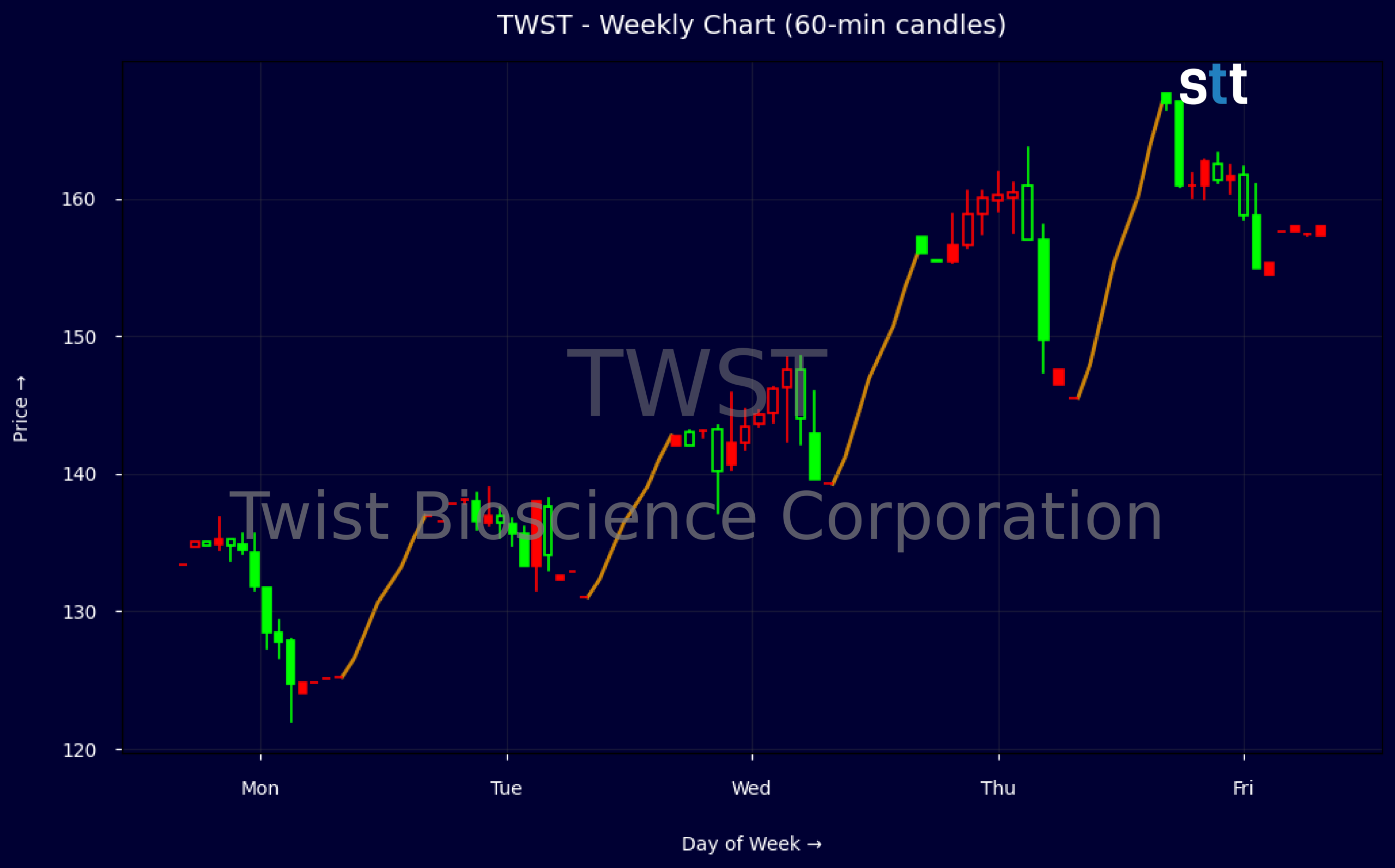
Twist Bioscience signed an agreement to provide antibody characterization data and services to Eli Lilly's AI/…
At the AWS Global Meeting on September 17, Chief AI and Technology Officer Matt Wood named Trainium for comput…

A proposed class-action filed November 14, 2023 alleges UnitedHealth and subsidiary NaviHealth used nH Predict…