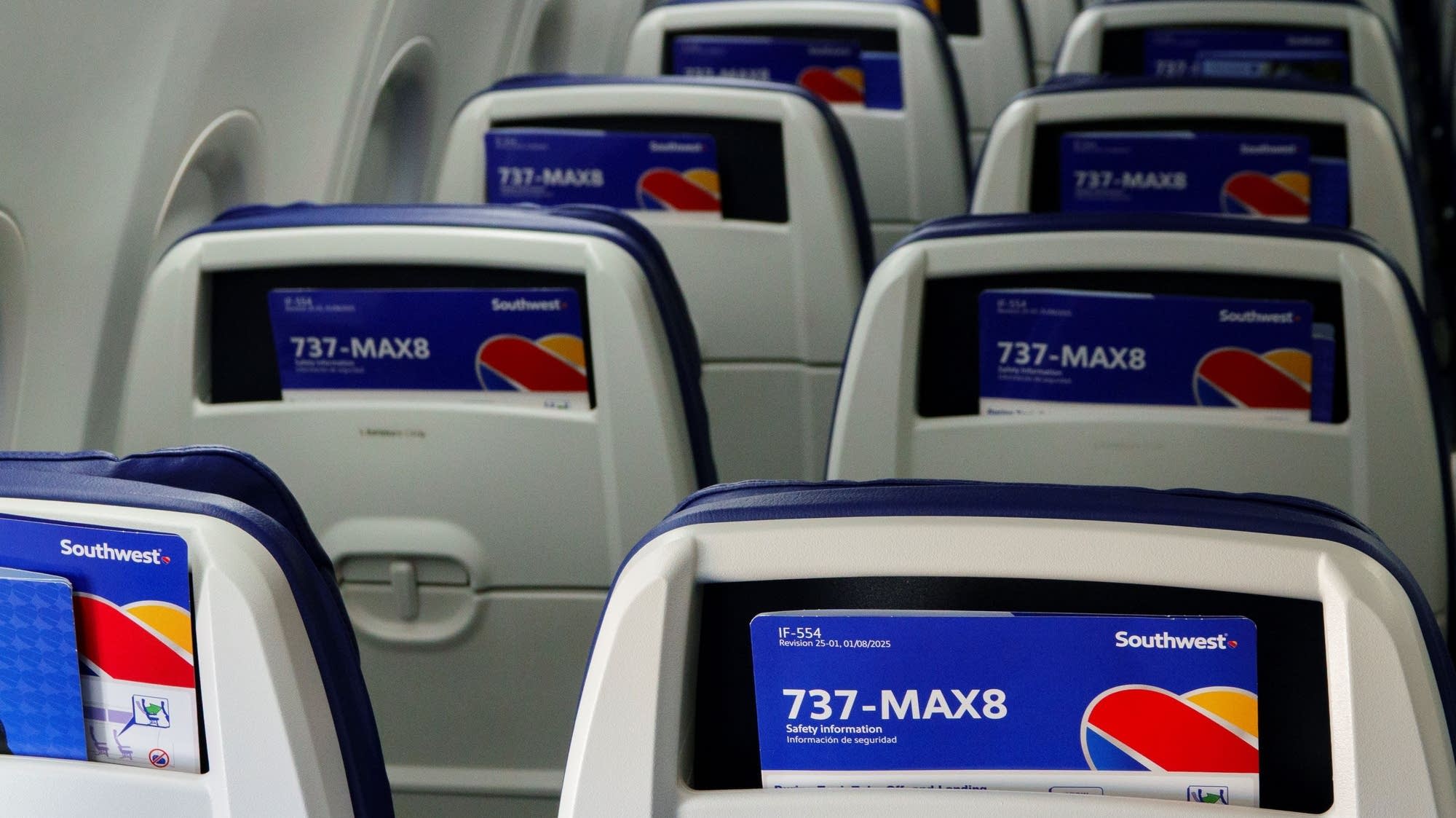
Boeing has received regulatory clearance to deliver two variants of its 737 MAX aircraft to airlines, ending a production freeze on the aircraft type. This represents a significant step in the company's recovery from the safety crisis that led to a global grounding, though customer confidence in the plane remains a long-term challenge.
Summaries like this, in your inbox every morning.
Sign up free →What happened
Boeing received approval from U.S. regulators to deliver two variants of the 737 MAX aircraft to airlines, moving past production constraints that had halted deliveries of the troubled plane.
Why it matters
The 737 MAX was grounded worldwide for 20 months following two fatal crashes, severely damaging Boeing's reputation and finances. Resuming deliveries signals the aircraft is cleared for commercial operation again, though airlines and the public remain cautious about its safety record.
What to watch
The body does not specify delivery timelines, customer names, or which two models are cleared. Regulatory or production delays could still affect the pace of actual aircraft reaching airlines.
Boeing has received authorization from U.S. regulators to resume deliveries of two models of the 737 MAX aircraft to airlines. The 737 MAX was grounded worldwide for 20 months following two fatal crashes, representing one of the most serious safety incidents in commercial aviation history. The grounding had crippled Boeing's production and delivery pipeline, creating a major backlog of undelivered aircraft and significant financial losses for the company.
This regulatory approval allows Boeing to begin delivering aircraft again after the extended suspension. The clearance indicates that regulators believe the aircraft, following modifications and safety reviews, meets safety standards for commercial operation. However, the path to full market recovery remains uncertain. Airlines that placed orders have faced years of delays and may have adjusted their fleet plans accordingly. Public and industry confidence in the 737 MAX, while improving since the grounding was lifted, continues to be tested as the aircraft returns to regular service.
The 737 MAX was one of aviation's most significant safety crises in recent decades. After the fatal crashes, regulators worldwide suspended the aircraft from commercial service, and Boeing faced intense scrutiny over design and quality control. The two-decade grounding cost Boeing massive financial losses, suspended production, and severely eroded public trust in the aircraft and the manufacturer.
Regulatory approval to deliver aircraft does not guarantee immediate market demand. Airlines had to cancel or defer orders, and passengers developed apprehension about flying the 737 MAX despite engineering changes made to address the original flaws. Boeing's path to recovery depends not only on regulatory clearance but also on rebuilt confidence from customers and the flying public.
AI-summarized, only the topics you pick — one digest a day via Email, Slack, or Discord.
Free · takes 30 seconds · unsubscribe anytime
No comments yet. Be the first to share your thoughts!
Log in to join the discussion



Get curated AI news from 200+ sources delivered daily to your inbox. Free to use.
Get Started FreeFree · takes 30 seconds · unsubscribe anytime
1 minute a day. The AI essentials.
200+ sources · Email / LINE / Slack
