What happened
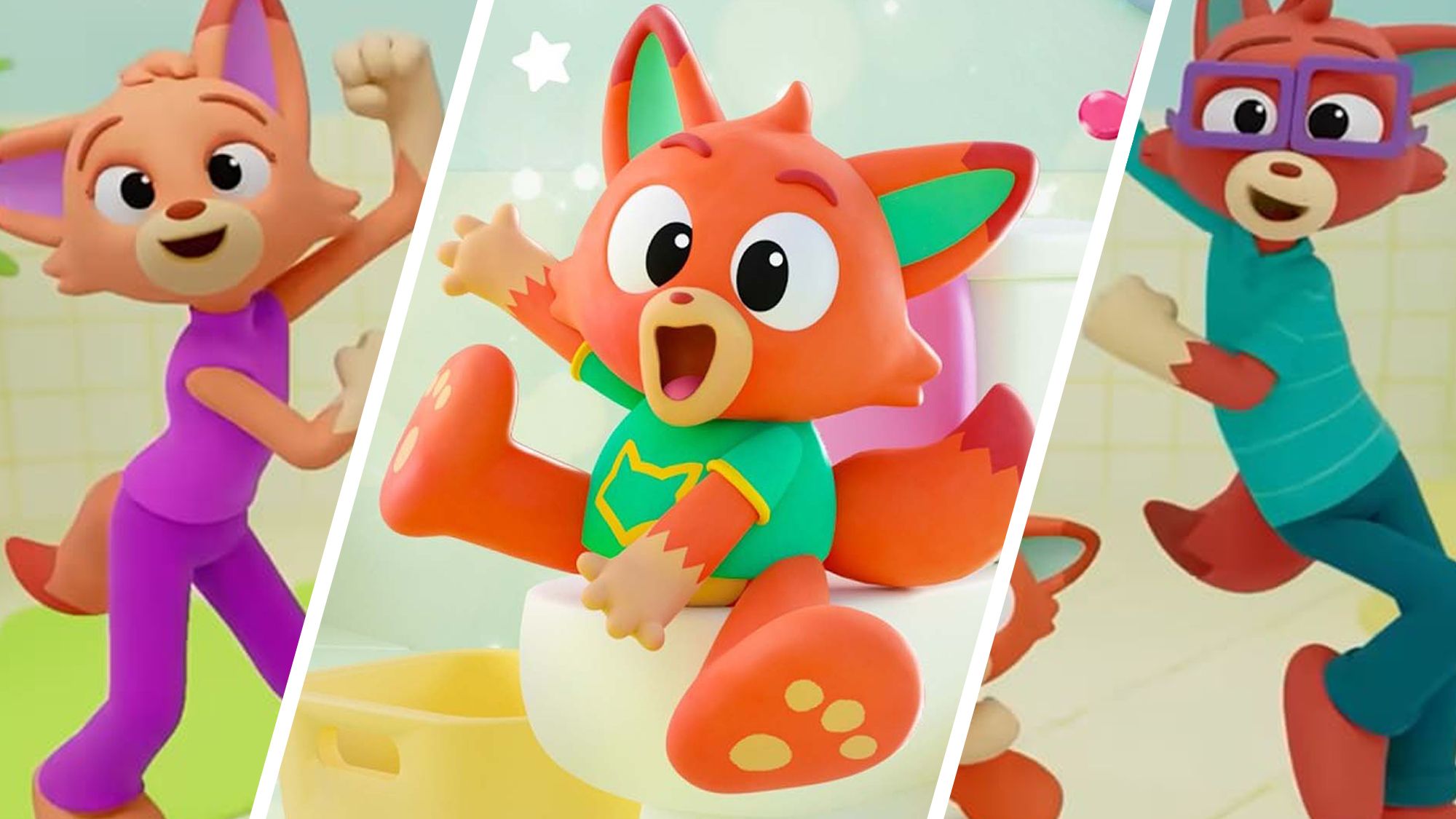
Disney's new preschool cartoon series Ozzy Fox, launched on YouTube with minimal promotion, has drawn widespread criticism over suspected AI generation due to visual glitches like incomplete props and bad lip-synching. The backlash has paradoxically boosted viewership; each of the two episodes released so far has over 500,000 views. The series is a co-production between Disney and French animation company Animaj, created through Disney's 2024 Accelerator program.
Why it matters
Ozzy Fox uses AI as an assistant tool—specifically for sketch-to-pose prediction and motion in-betweening—but the 3D models, storyboards, and key poses are created by human artists who then manually review and correct the work in Maya animation software. The distinction matters: if every imperfect animation gets labeled 'AI slop' when it is not actually AI-generated, the label may lose its power to signal genuine concern when Disney or others deploy actual generative AI cartoons like text-to-video tools.
What to watch
Disney has explored generative AI for animation, including a major deal with OpenAI that collapsed when the company deprioritized its Sora AI video platform. How the public and critics respond to Ozzy Fox's actual workflow—and whether they distinguish AI-assisted tools from AI-generated content—will shape perceptions of animation AI going forward.
Summaries like this, in your inbox every morning.
Ozzy Fox exemplifies a growing tension in how audiences perceive AI in creative work. The series emerged from Disney's 2024 Accelerator program, a business development initiative that has run since 2014, and was a collaboration with French animation company Animaj. When Disney disclosed its use of AI tools to investors in a 2024 press release, it set the stage for public suspicion—but the company published no official press release about the show's YouTube launch itself, which some interpreted as an attempt to avoid scrutiny. That calculated silence backfired: visual imperfections in the animation, such as incomplete props, poor lip-synching, and missing text in backgrounds, triggered immediate accusations of AI generation and claims of "AI slop," a term now applied broadly to any AI-assisted or AI-generated creative work perceived as low-quality.
The irony, which the article emphasizes, is that Ozzy Fox is not actually generative AI at all. Animaj's workflow is fundamentally human-directed: artists create all 3D models and sketch key poses; the AI tools merely automate two intermediate steps (pose prediction and in-betweening) that animation studios have streamlined for years. Any visual oddities—such as a character's clothing changing color mid-scene—appear to stem from the intended art style or human error, not AI hallucination. This distinction is crucial because if misidentifying AI-assisted work as AI-generated becomes the norm, the label will lose its critical weight when studios do deploy actual generative AI tools like text-to-video systems.
Disney's broader AI ambitions underscore the stakes. The company pursued a major deal with OpenAI centered on Sora, an AI video platform, but that partnership collapsed when OpenAI abruptly shifted away from the technology. If the Ozzy Fox backlash trains audiences to reject any cartoon with AI involvement—even when AI is merely a productivity aid within a human-led process—it could paradoxically make genuine AI-generated animation more palatable by comparison once the technology matures. The series has already accumulated over 500,000 views per episode, suggesting that controversy, whether justified or not, has proven more marketable than Disney's original low-profile launch strategy.
For example, today's edition would include:
AI-summarized, only the topics you pick — one digest a day via Email, LINE, or Slack.
Free · 30 seconds with Google · unsubscribe anytimeWhat is AIToday? →
Ask AI anything about this article. Q&As are published on this page for other readers too.
AbbVie entered a multi-year collaboration with Iambic to apply the Enchant and NeuralPLexer AI models to small…

Intel shares jumped about 10% on Monday, as Melius Research initiated a Buy rating, Tigress Financial raised i…

Sandisk customers are expanding multi-year commitments as inference requirements rise, strengthening the signa…
AbbVie and Iambic announced a multi-year collaboration to accelerate small molecule drug discovery across immu…

Morgan Stanley's Adam Jonas said the two companies "share tech, talent, and infrastructure," citing 71 Tesla r…

Dell said it booked a record $60.9 billion in AI-server orders and $16.4 billion in AI-server revenues in the…