What happened
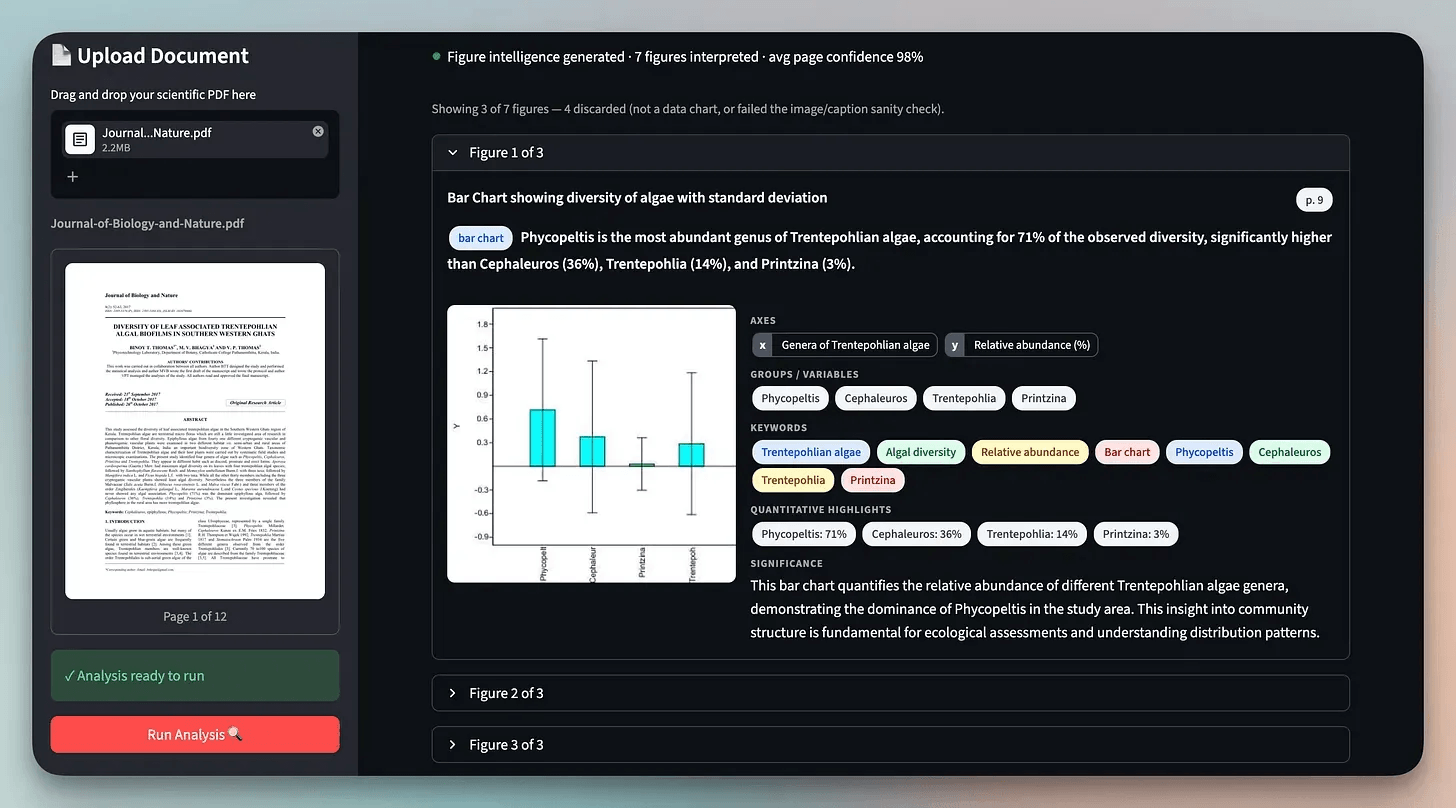
Daily Dose of Data Science built an AI workflow using Mistral OCR 4 that reads every chart in a scientific paper and returns structured data for each figure, cutting reading time from 36 minutes to 26.6 seconds per paper.
Why it matters
Standard PDF parsers extract text but miss figure data, so key findings stay hidden. Separating chart extraction from analysis, the pipeline pairs Mistral OCRv4 for extraction with Mistral Small 4 for interpretation, preserving the figure's actual content.
What to watch
The workflow is available to try; it connects agents from Claude Code, OpenAI Codex, OpenCode, or HTTP/MCP-compatible frameworks to team tools like Slack and Teams. Mistral has since shipped OCR 4.1, an update that reads busy pages more precisely and is a simple model-string change.
Summaries like this, in your inbox every morning.
The workflow addresses a common blind spot in document AI: most systems read text but ignore figure images, losing the data inside charts. By separating extraction from analysis, it avoids compounding errors between stages. The pipeline first uses Mistral OCRv4 to extract structured figure metadata and embedded images, then a CrewAI flow prepares the workload, and finally a multimodal agent on Mistral Small 4 interprets each chart, verifying it is a quantitative chart and legible. This approach keeps each stage clean and well-defined. The announcement also notes that Mistral has since shipped OCR 4.1, an update that reads busy, marked-up pages more precisely, and moving to it is a simple model-string change. For research-heavy fields like biotech and finance, this could enable systematic reviews that were previously too time-consuming.
Pick your industry and the AI tools you use, and get news related to your work every day.
Free · 30 seconds with Google · unsubscribe anytimeWhat is AIToday? →
Ask AI anything about this article. The AI reads this article, earlier AIToday articles, and Wikipedia, and cites its sources. Q&As are published on this page for other readers too.
Hewlett Packard Enterprise stock is down 5% at $55.87
The Motley Fool argues Amazon is the AI company of the two, since AWS was just 21% of first-half 2026 revenue…

Google Deepmind's Gemini 4 Argon scored 97.5 percent on ARC-AGI-3 at a cost of $4,800, second only to GPT-6 As…
Cammarata reinterprets InceptionV1's cat-car neuron as a V-shape detector, not two unrelated concepts
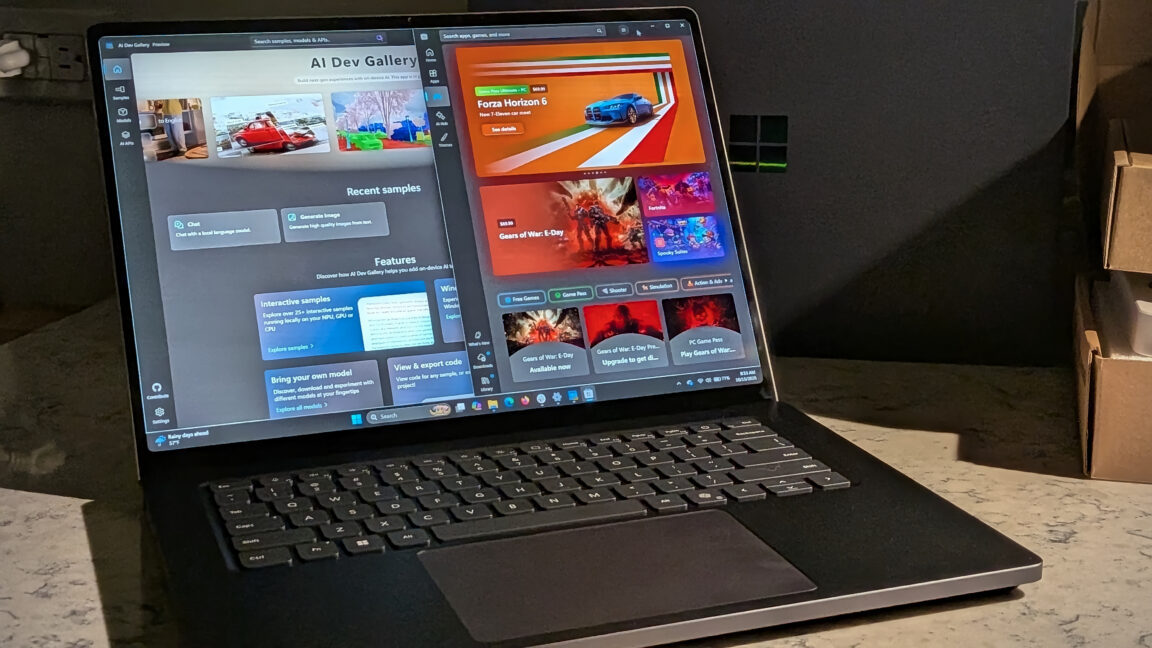
Microsoft's Surface Laptop Ultra, using Nvidia's RTX Spark platform, starts at $2,599 (up to $5,899)
Meta's new commercial terms, effective October 30th, appear to let it crawl and train AI on content from websi…