What happened
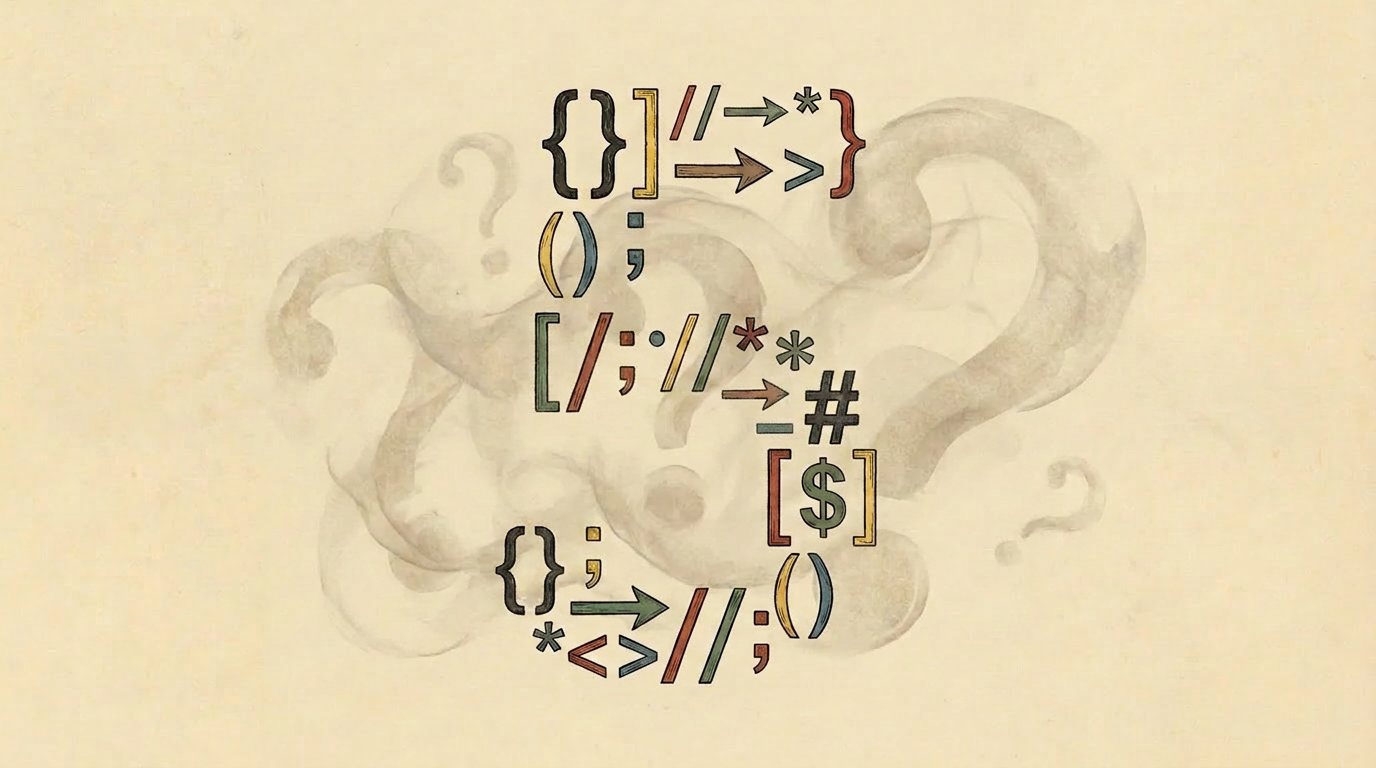
Anthropic developer Thariq Shihipar shared prompting techniques for Claude's Fable 5 model, arguing that output quality is increasingly constrained by the user's inability to identify their own knowledge gaps—what he calls "unknown unknowns"—rather than the model's capabilities.
Why it matters
As AI coding agents become more capable, the bottleneck shifts from the tool to the user's clarity about the problem. Developers who systematically uncover their own blind spots before implementation—through brainstorming, prototyping, and structured interviews with Claude—are more likely to achieve better results. This suggests that effective AI-assisted development now requires a different skill: self-awareness about what you don't know.
What to watch
Shihipar demonstrated his techniques using the Fable launch video, which he edited entirely with Claude Code despite video editing being new to him. He recommends a pre-implementation phase focused on discovering unknowns, followed by documentation during work (via implementation notes), and post-implementation validation through quizzes before merging code.
Summaries like this, in your inbox every morning.
Pick your industry and the AI tools you use, and get news related to your work every day.
Free · 30 seconds with Google · unsubscribe anytimeWhat is AIToday? →
Ask AI anything about this article. The AI reads this article, earlier AIToday articles, and Wikipedia, and cites its sources. Q&As are published on this page for other readers too.
Hewlett Packard Enterprise stock is down 5% at $55.87

The Motley Fool argues Amazon is the AI company of the two, since AWS was just 21% of first-half 2026 revenue…

Google Deepmind's Gemini 4 Argon scored 97.5 percent on ARC-AGI-3 at a cost of $4,800, second only to GPT-6 As…

Cammarata reinterprets InceptionV1's cat-car neuron as a V-shape detector, not two unrelated concepts
Microsoft's Surface Laptop Ultra, using Nvidia's RTX Spark platform, starts at $2,599 (up to $5,899)

Meta's new commercial terms, effective October 30th, appear to let it crawl and train AI on content from websi…