
What happened
Space Exploration Technologies Corp (SpaceX) has entered the top five of Robinhood's Investor Index (ranked No. 4 as of August 11), following its record initial public offering that raised nearly $86 billion and achieved a $1.88 trillion valuation.
Why it matters
SpaceX's ascent reflects retail investor conviction in the company's AI ambitions—specifically xAI, which SpaceX acquired earlier this year and which the company has stated has a total addressable market of $26.5 trillion. The company owns Starlink (roughly 12 million subscribers), data center facilities, Grok Intelligence, and the social platform X, creating a portfolio that extends well beyond its core space launch business.
What to watch
SpaceX's long-term valuation bet rests on unproven capabilities: launching operational data centers into space, capturing significant AI compute share, and making its Starship rocket fully reusable and operational for weekly or daily trips. The company's regulatory filings reference ambitions ranging from data centers in space to asteroid mining, and Elon Musk's incentive package includes rewards for establishing a Mars colony with at least 1 million people.
Summaries like this, in your inbox every morning.
SpaceX's entry into Robinhood's top five reflects a convergence of several factors. The company's record-breaking IPO—raising nearly $86 billion—capitalized on Elon Musk's personal brand and Robinhood's 28 million funded customers, many of whom follow Musk closely. However, the driving force behind sustained investor conviction appears to be the xAI acquisition earlier this year, which reframed SpaceX not merely as a space-launch and satellite-internet company but as a portfolio holding spanning multiple AI and infrastructure assets.
Starlink's established business—roughly 12 million subscribers with profitable margins—provides a concrete revenue foundation. The long-term bet, though, is speculative: SpaceX claims xAI has a $26.5 trillion total addressable market, a figure that depends on the company's ability to build operational space-based data centers and deploy them at a scale that captures meaningful AI compute demand. The company's regulatory filings reference ambitious projects like data centers in orbit and even asteroid mining, and Musk's incentive structure explicitly rewards a Mars colony of 1 million people. These goals are neither near-term nor certain. For retail investors on Robinhood to sustain conviction as the stock ranks No. 4, they are implicitly betting that SpaceX will achieve a significant fraction of these ambitions—and that Starship will reach operational reliability at a commercial scale.
Pick your industry and the AI tools you use, and get news related to your work every day.
Free · 30 seconds with Google · unsubscribe anytimeWhat is AIToday? →
Ask AI anything about this article. The AI reads this article, earlier AIToday articles, and Wikipedia, and cites its sources. Q&As are published on this page for other readers too.
In Q2, billionaires or their funds sold six 'Magnificent Seven' AI stocks
Nvidia was rising early Friday, even as the wider chip sector kept falling, Barron's reported
ElevenLabs completed a $300 million employee tender at a $22 billion valuation, and co-founder Mati Staniszews…

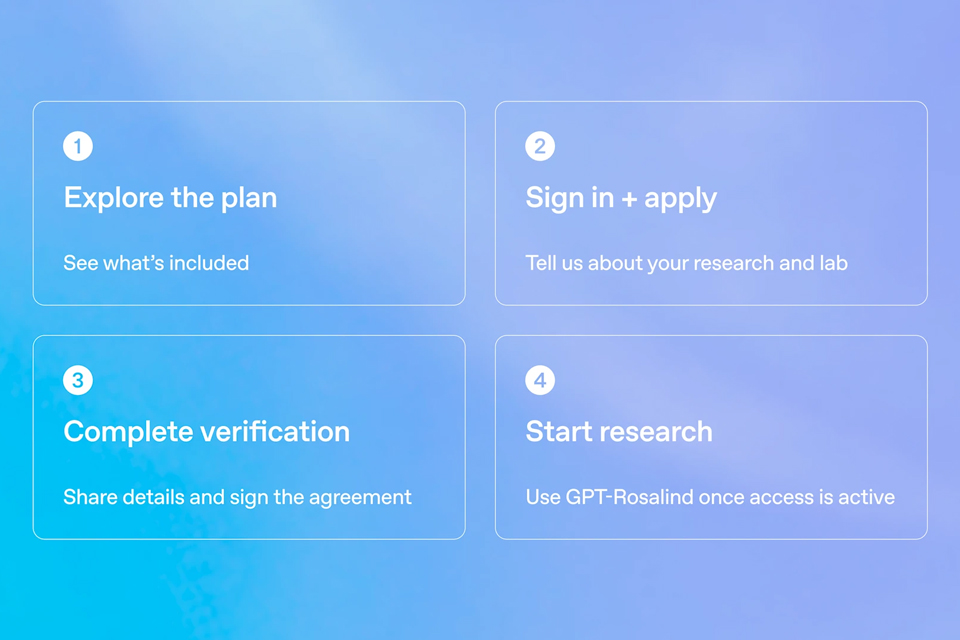
On October 15, OpenAI announced the Rosalind Academic Plan, giving approved US university labs free access to…
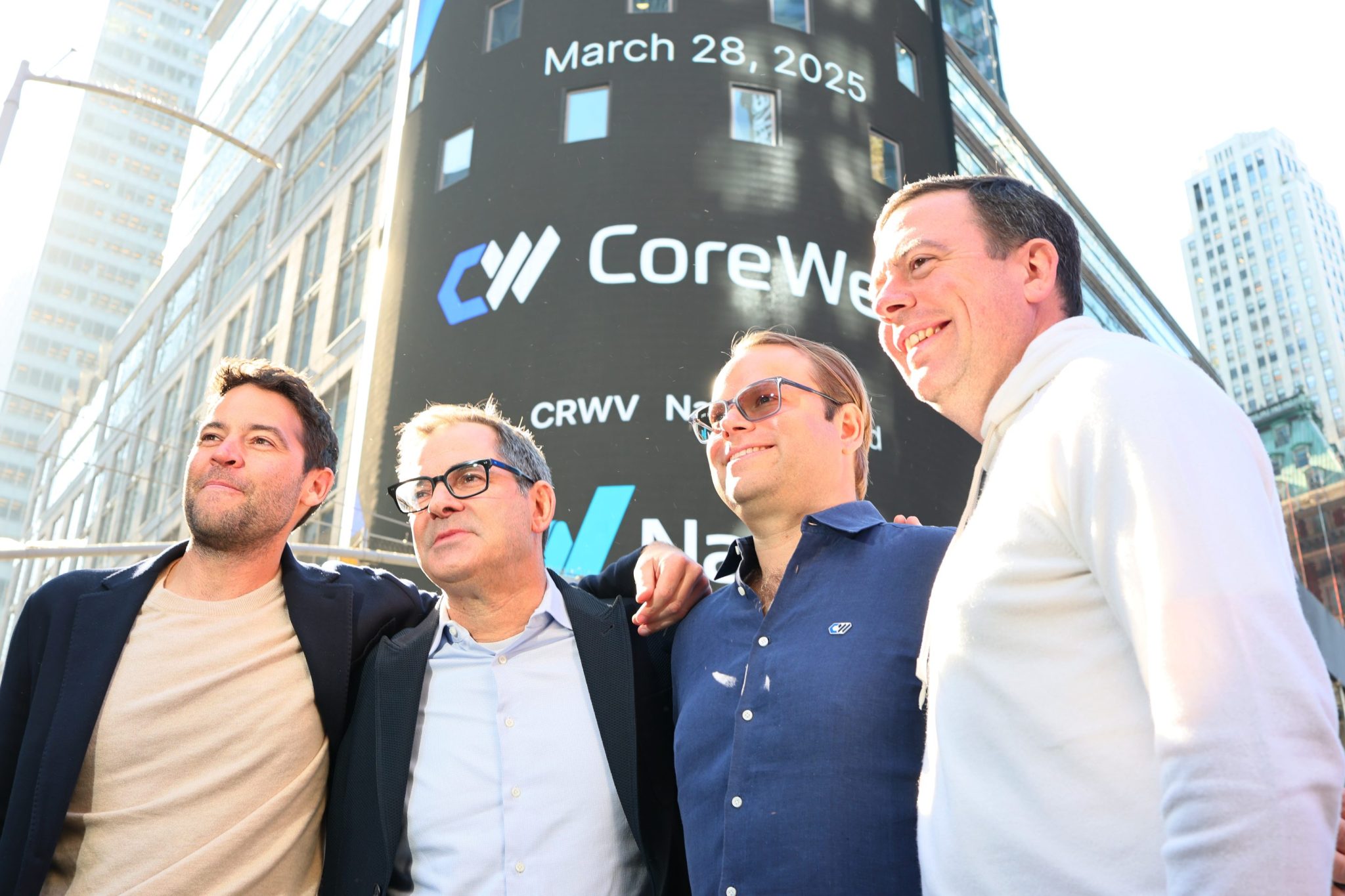
Neostellar Capital principal Evan Schlossman said CoreWeave's $103.7 billion in remaining performance obligati…
Supermicro Computer appointed Mark Long as chief financial officer, bringing an experienced technology finance…