What happened
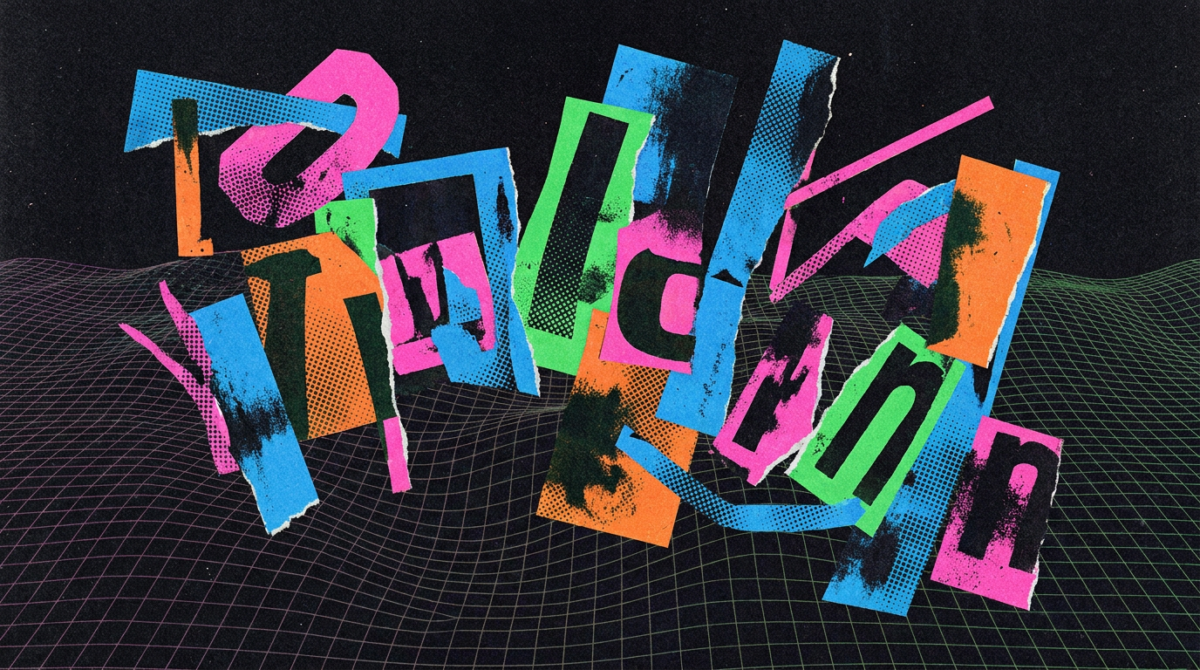
Researchers at New York University and the University of Texas at Austin had 14 language models, including Claude and GPT-5.6, produce 120 conversations, 45 coding sessions, and 980 essays, then compared them with human text. They identified six overused constructions, such as stacked nouns and animate verbs on inanimate subjects.
Why it matters
These patterns—like turning nouns into verbs and separating related sentence parts—force readers to spend extra effort parsing meaning, which may make AI-generated text feel more taxing than human writing.
WHO IT HITSWriters and editors who rely on AI-generated drafts may need to watch for these six constructions to keep text clear, and AI developers could use the findings to finetune models for more natural readability.
Summaries like this, every morning.
The study compared AI-generated text against human-written text from movie subtitles, StackExchange, and student essays, finding that models consistently overuse constructions that slow readers down. For example, Claude Opus 5 produced sentences like "A cat who can always get up and away is a much calmer cat," where the subject and predicate are separated by a long clause, taxing working memory. Models also turn nouns into verbs where humans wouldn't, as in Claude Fable 5's "calendar it." The researchers argue that modern language models are trained on tasks like math, code, and logical reasoning, where correctness is rewarded and clarity isn't. Anthropic employee Jackson Kernion, who works on Claude fine-tuning, recently explained that optimizing newer models for math and technical explanations pushed Claude toward a style that reads as too dense for humans. With Opus 5.5, Anthropic addressed sentence clarity and overloaded information blocks, and the study shows it succeeded.
Pick your industry and the AI tools you use, and get news related to your work every day.
Free · 30 seconds with Google · unsubscribe anytimeWhat is AIToday? →
Ask AI anything about this article. The AI reads this article, earlier AIToday articles, and Wikipedia, and cites its sources. Q&As are published on this page for other readers too.
At the PRovoke Global Summit, McDonald's discussed rethinking its PR strategy in response to AI reshaping earn…

Booking.com is now having AI answer traveller questions ahead of the guest's arrival, a shift Hospitality Net…

Sony paid a $50,000 bounty for a PlayStation 5 vulnerability that an AI discovered, according to Mezha.net

FANUC and Microsoft are linking factory-floor data with business data through Copilot, Microsoft's AI assistan…

Renesas Electronics is building a foundation to design semiconductors with AI agents, aiming to use AI-based d…
SoftBank will offer AGENTIC STAR 3.0 from October 26, 2026, adding a project feature that designs and manages…