
What happened
Broadcom (AVGO) stock climbed 5.0% on August 4, 2026, driven by renewed investor focus on the company's AI semiconductor momentum. In fiscal Q2 2026, Broadcom's AI semiconductor revenue hit $10.8 billion, up 143% year-over-year, and management reaffirmed its target for AI semiconductor revenue to exceed $100 billion in fiscal 2027.
Why it matters
Broadcom is positioned as one of the largest beneficiaries of hyperscaler AI infrastructure spending. The company's June launches—including a joint AI infrastructure platform with Apollo and Blackstone designed to support more than 20 gigawatts of compute deployments (with an initial $35 billion tranche), and an LLM-optimized intelligence processor developed with OpenAI—signal deep integration into enterprise and cloud AI buildout.
What to watch
No single fresh catalyst announced today; the move reflects sentiment-driven reassessment of Broadcom's existing AI story. Wall Street analysts have issued two recent buy ratings (Deutsche Bank and UBS on 06/04/2026), with a median price target of $525.0 across 21 analysts who have covered the stock in the past six months.
Summaries like this, in your inbox every morning.
Broadcom's 5% share price gain on August 4, 2026, does not appear to be driven by a single new announcement but rather reflects investor sentiment coalescing around the company's established AI narrative. The body of the move rests on three recent developments: record fiscal Q2 2026 results showing AI semiconductor revenue of $10.8 billion (up 143% year-over-year), management's reaffirmed long-term target of exceeding $100 billion in AI semiconductor revenue for fiscal 2027, and two major strategic announcements from June—the AI infrastructure platform with Apollo and Blackstone (covering more than 20 gigawatts of compute and $35 billion initial funding) and the custom LLM-optimized intelligence processor built with OpenAI.
These moves position Broadcom as a core infrastructure beneficiary of hyperscaler AI spending. The June announcements signal deepening commercial relationships with both cloud-scale operators and enterprise AI leaders, reinforcing the company's role not just as a semiconductor supplier but as a strategic partner in building out the physical and computational backbone of generative AI deployment. The restatement of the fiscal 2027 AI revenue target likely resonated with investors who are reassessing AI semiconductor growth trajectories in light of ongoing capex commitments from cloud providers.
Pick your industry and the AI tools you use, and get news related to your work every day.
Free · 30 seconds with Google · unsubscribe anytimeWhat is AIToday? →
Ask AI anything about this article. The AI reads this article, earlier AIToday articles, and Wikipedia, and cites its sources. Q&As are published on this page for other readers too.
In Q2, billionaires or their funds sold six 'Magnificent Seven' AI stocks
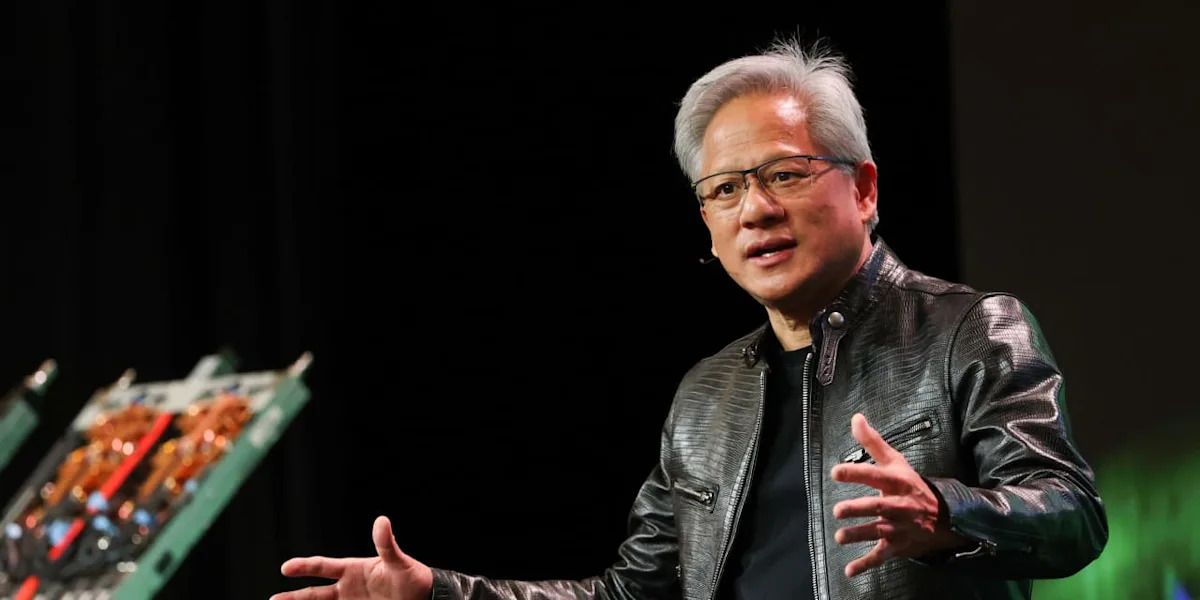
Nvidia was rising early Friday, even as the wider chip sector kept falling, Barron's reported
ElevenLabs completed a $300 million employee tender at a $22 billion valuation, and co-founder Mati Staniszews…

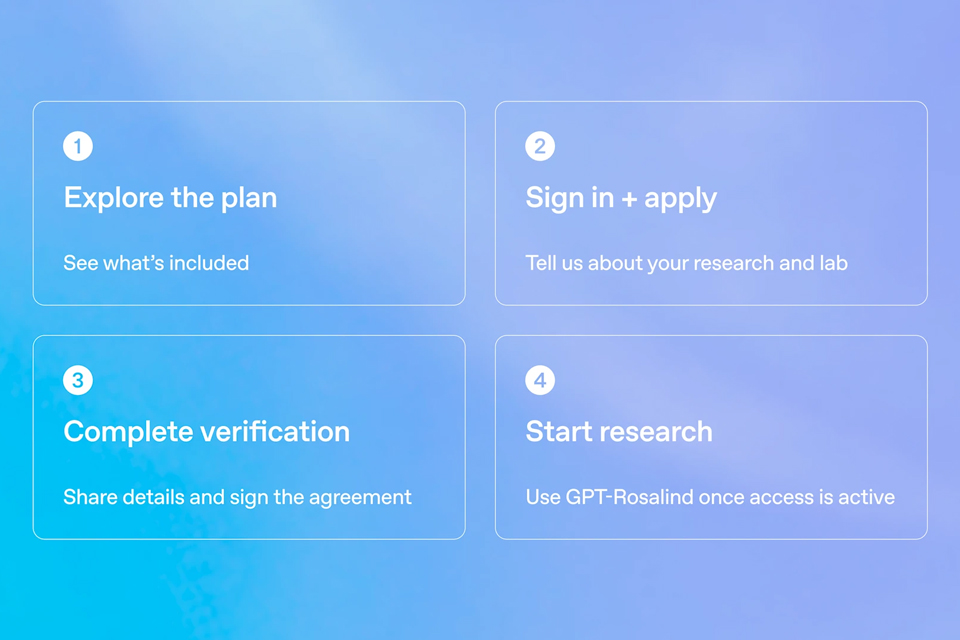
On October 15, OpenAI announced the Rosalind Academic Plan, giving approved US university labs free access to…
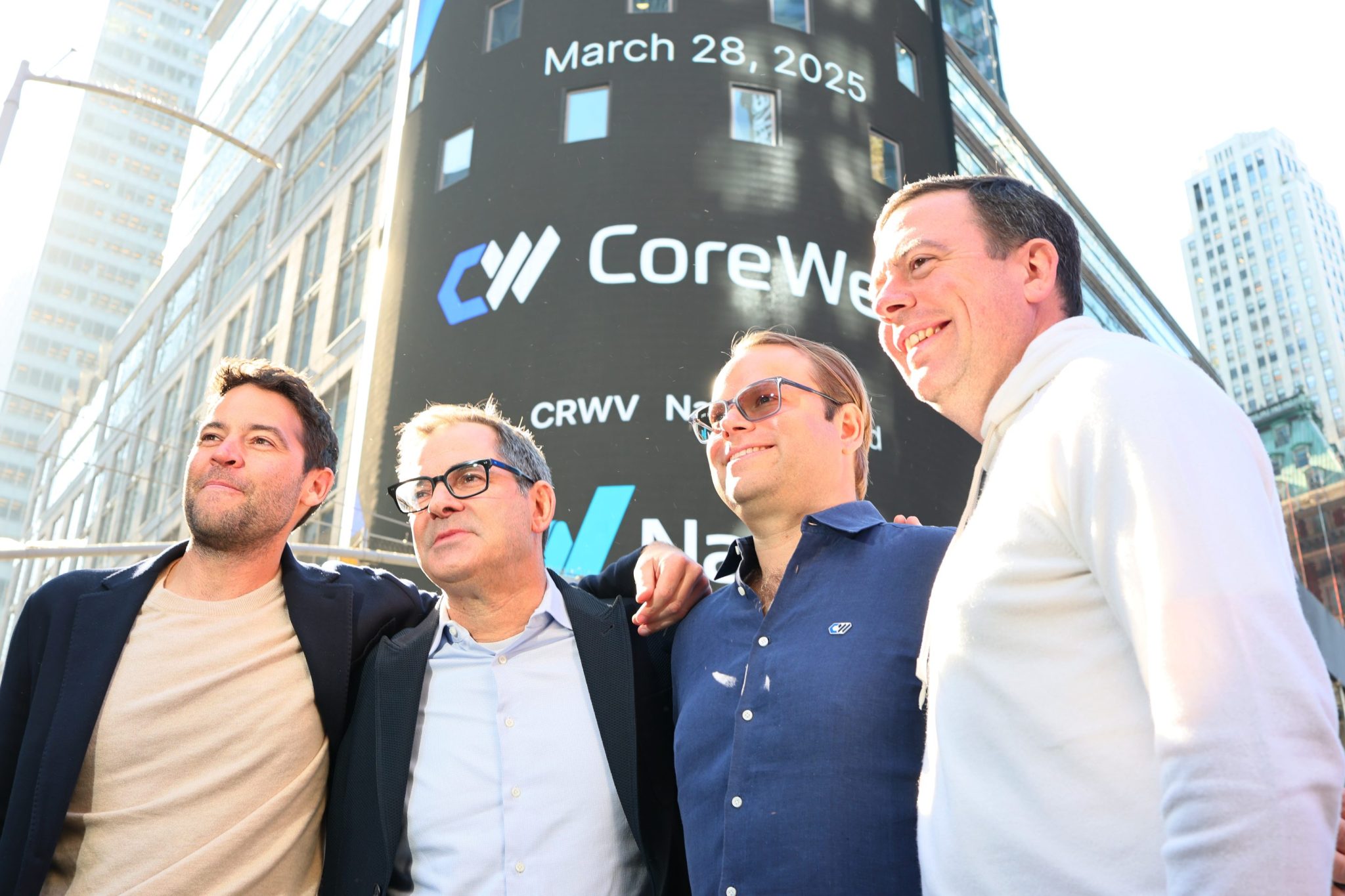
Neostellar Capital principal Evan Schlossman said CoreWeave's $103.7 billion in remaining performance obligati…
Supermicro Computer appointed Mark Long as chief financial officer, bringing an experienced technology finance…