AIToday
Large Language ModelsAI Business & IndustryDIGITIMES AsiaPublished: Aug 27, 2026, 06:01 JST1 min read

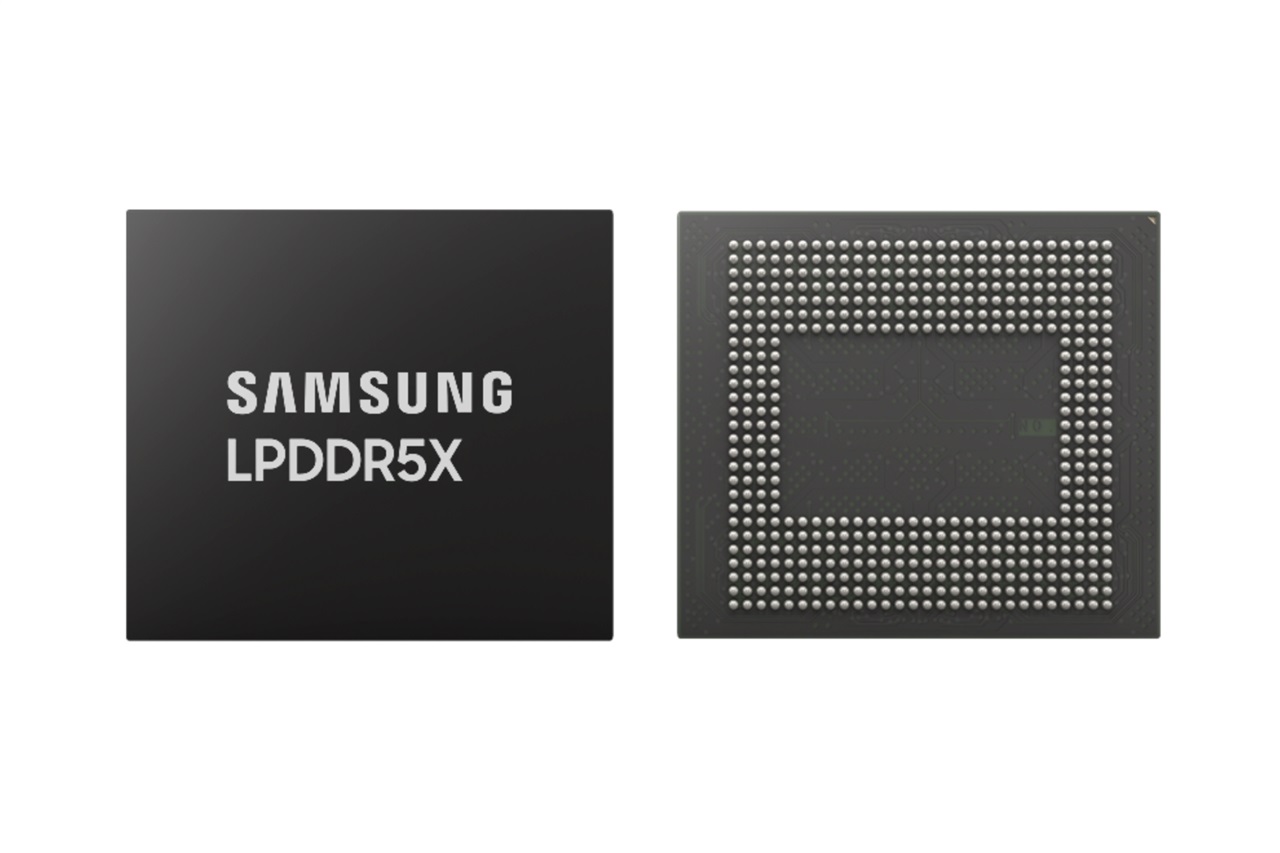
Samsung unveils first LPDDR-PIM chip for AI

Samsung unveils first LPDDR-PIM chip for AI

Key takeaway

  • Samsung showed the first LPDDR-based PIM chip for AI.

  • It aims to cut costs as HBM prices rise.

  • Working silicon and performance data were presented.

3 Key Points

  1. What happened

    At Hot Chips 2026, Samsung Electronics presented what it called the industry's first LPDDR-based processing-in-memory (PIM) device for AI inference, along with working silicon and performance data.

  2. Why it matters

    PIM, which performs computation inside memory to reduce data movement, could lower AI inference costs as HBM prices climb. This move may make PIM a more practical alternative for AI workloads.

  3. What to watch

    Samsung's presentation included working silicon and performance data, indicating progress toward practical deployment, though availability and pricing were not disclosed.

Ask the AI about this article →

Context & Analysis

Samsung's presentation at Hot Chips 2026 marks a step toward making processing-in-memory practical for AI inference. By embedding computation within memory, PIM can reduce the energy and time spent shifting data between memory and processor—a significant bottleneck in AI workloads. This approach could become more attractive as HBM costs rise, potentially offering a lower-cost alternative for inference tasks. Samsung claims this is the industry's first LPDDR-based PIM device, signaling a new direction in memory design. The inclusion of working silicon and performance data suggests the technology is moving from concept to deployment, though commercial availability remains unclear. If PIM gains traction, it could reshape how AI inference is priced and deployed, especially in cost-sensitive environments.

FAQ

What is processing-in-memory (PIM)?
PIM is a technology that performs computation directly inside memory, reducing the need to move data between memory and processor, which can lower energy use and latency.
Why is this announcement relevant now?
It comes as HBM costs are mounting, making PIM a potentially more cost-effective solution for AI inference workloads.
Is this product available for purchase?
The article does not state availability or pricing; it only mentions that working silicon and performance data were presented.
DIGITIMES AsiaRead Original Article

Get the latest Large Language Models news every morning

AI-summarized, only the topics you pick — one digest a day via Email, Slack, or Discord.

Free · takes 30 seconds · unsubscribe anytime

Ask AI

Ask AI anything about this article. Q&As are published on this page for other readers too.

Related Articles

Next articleBloom Energy Over Nvidia? Here's the Bull Case