Kyocera is opening its first domestic semiconductor factory in 20 years, in Nagasaki Prefecture, set to launch in September with roughly 680 billion yen in planned investment through 2028.
The move reflects surging global demand for semiconductors driven by AI proliferation, and positions the company to compete in Japan's growing semiconductor manufacturing cluster.
What happened
Kyocera announced it will open a new semiconductor-related factory in Isahaya, Nagasaki Prefecture in September, its first domestic factory in approximately 20 years. The factory will produce fine ceramic components for semiconductor manufacturing equipment and semiconductor packages, with total investment through fiscal 2028 expected to reach approximately 680 billion yen.
Why it matters
The factory is a direct response to rising global demand driven by AI adoption. For manufacturers and suppliers in the semiconductor ecosystem, this expansion signals major infrastructure investment in Kyushu, which is becoming a semiconductor hub following TSMC's factory startup in Kumamoto.
What to watch
The new facility is expected to create approximately 1,000 jobs locally. The site has room for future expansion, and Kyocera is considering increasing production capacity.
Ask the AI about this article →
For example, today's edition would include:
AI-summarized, only the topics you pick — one digest a day via Email, Slack, or Discord.
Free · takes 30 seconds · unsubscribe anytimeWhat is AIToday? →
Ask AI anything about this article. Q&As are published on this page for other readers too.
BHP, the world's largest mining company by market capitalization, has deployed AI across its operations

Team Liquid announced a new five-year extension of its long-running collaboration with Dell Technologies' Alie…

A University of Mississippi study published in Journal of Interactive Advertising found that AI ads succeed wh…

Goldman Sachs Research says AI supply and demand won't balance until the first half of 2028
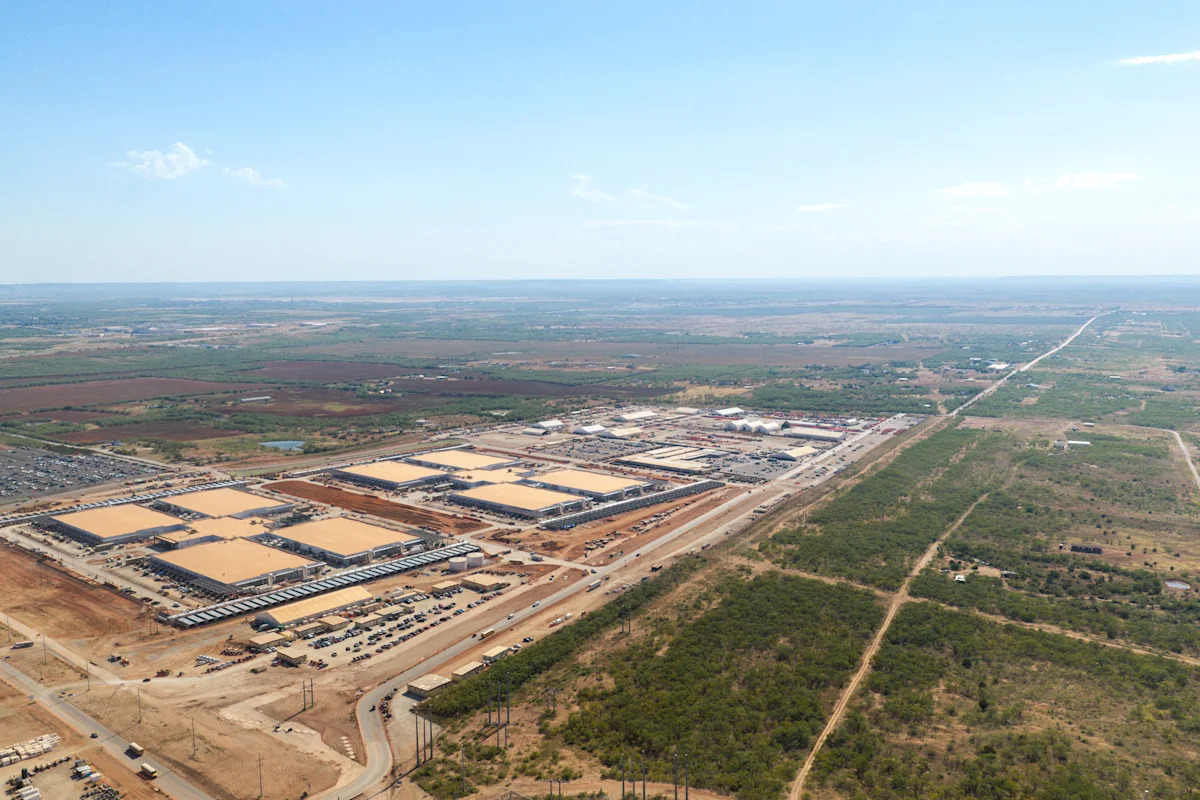
Lam Research broke ground yesterday on a new lab in Tualatin, Oregon

Visa, Mastercard, and Fiserv joined the Agentic Payments Alliance (APA), a 26-company coalition led by stablec…