What happened
ISIS has trained Boko Haram commanders to bypass AI safety filters since 2023. Both Boko Haram factions now use popular AI chatbots including ChatGPT, Claude, Gemini, Grok, Meta AI, and DeepSeek, and have set up dedicated AI units. The group uses AI for attack planning, building explosives, weapons maintenance, and operational security, according to a study by researcher Antonia Jülich of the Cambridge Programme on AI Science & Policy based on 57 interviews with 27 former members.
Why it matters
Safety filters on major chatbots failed to reliably prevent misuse, even though AI researchers and companies like OpenAI and Anthropic have long warned about this risk. Jülich notes that while Boko Haram's current AI use remains conventional, former members described enthusiasm for the technology and some said the group had previously considered mass-casualty weapons—a warning that terrorists may pursue AI assistance for chemical and biological weapons.
What to watch
Researchers point out that widely-used chatbots like ChatGPT and Claude mostly make existing knowledge easier to access rather than generating anything new. The greater concern is potential misuse of more specialized AI systems in the life sciences.
Summaries like this, in your inbox every morning.
Voluntary self-regulation by AI companies has proven insufficient to prevent terrorist misuse. Although researchers and companies like OpenAI and Anthropic have long warned that AI models could make dangerous knowledge more accessible, the study documents that safety filters on mainstream chatbots—the same ones used by millions globally—have failed to provide reliable protection. Anthropic has recently admitted that jailbreaks will likely never be fully eliminated, suggesting that the vulnerability may be inherent to large language models themselves.
The distinction researchers draw between mainstream chatbots and specialized AI systems is telling. While ChatGPT and Claude primarily surface and organize existing knowledge, the deeper concern lies in potential misuse of domain-specific AI tools in life sciences—where AI could potentially generate genuinely novel and dangerous information. The fact that Boko Haram commanders established dedicated AI units and trained fighters systematically indicates a coordinated effort to operationalize the technology. The group's prior consideration of mass-casualty weapons, combined with demonstrated enthusiasm for AI capabilities, suggests that as terrorist organizations become more sophisticated in their use of these tools, the risk escalates from conventional weapons enhancement to entirely new categories of threat.
Pick your industry and the AI tools you use, and get news related to your work every day.
Free · 30 seconds with Google · unsubscribe anytimeWhat is AIToday? →
Ask AI anything about this article. The AI reads this article, earlier AIToday articles, and Wikipedia, and cites its sources. Q&As are published on this page for other readers too.
ElevenLabs completed a $300 million employee tender at a $22 billion valuation, and co-founder Mati Staniszews…

On October 15, OpenAI announced the Rosalind Academic Plan, giving approved US university labs free access to…

A Qiita article compared automated red-teaming methods for LLM apps — GCG, PAIR, and TAP — using mock implemen…

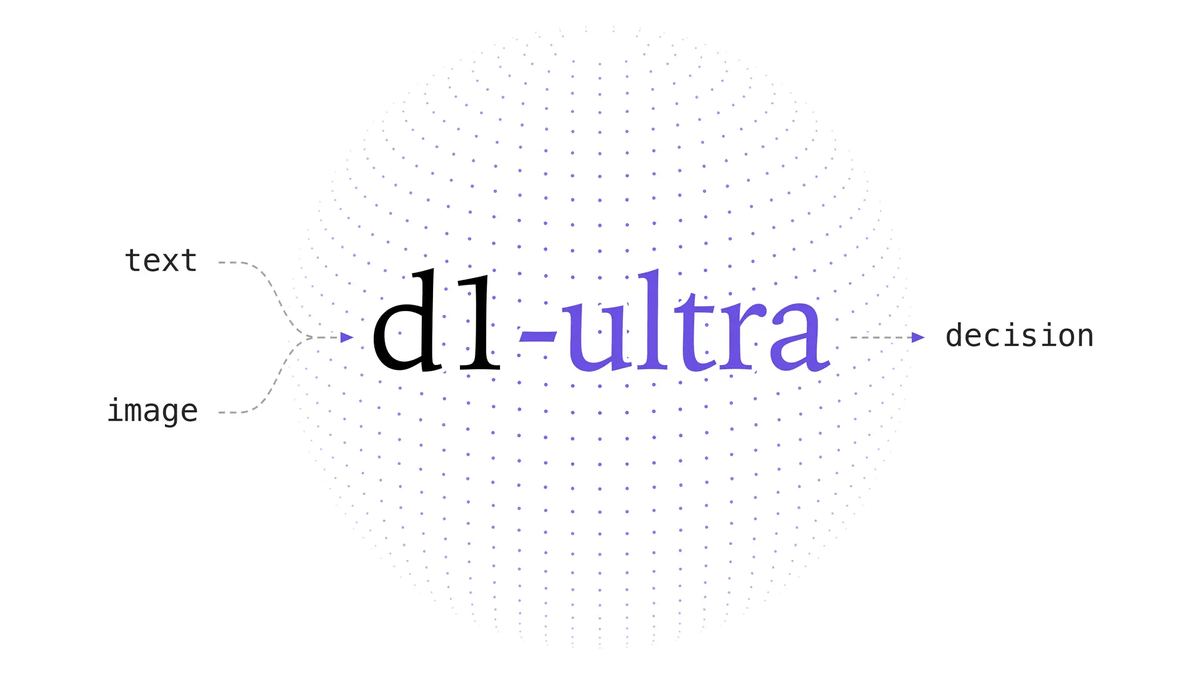
Liquid AI released d1-ultra on October 15, 2026, an upgraded open-weights decision model that averaged 76.7 ac…
Taiwan is considering much stricter export controls on AI chip sales to China, part of a greater alignment wit…

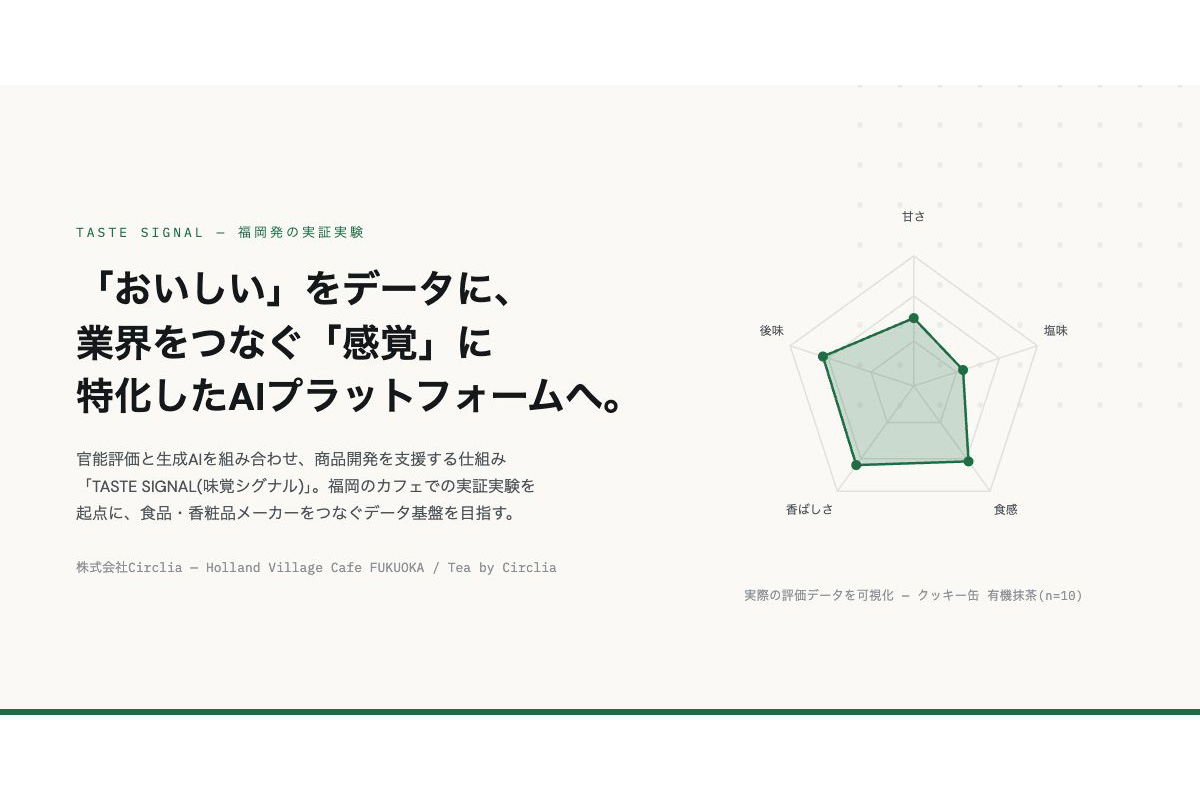
Circlia started a proof-of-concept for TASTE SIGNAL: visitors to Holland Village Cafe FUKUOKA taste cookies an…