What happened
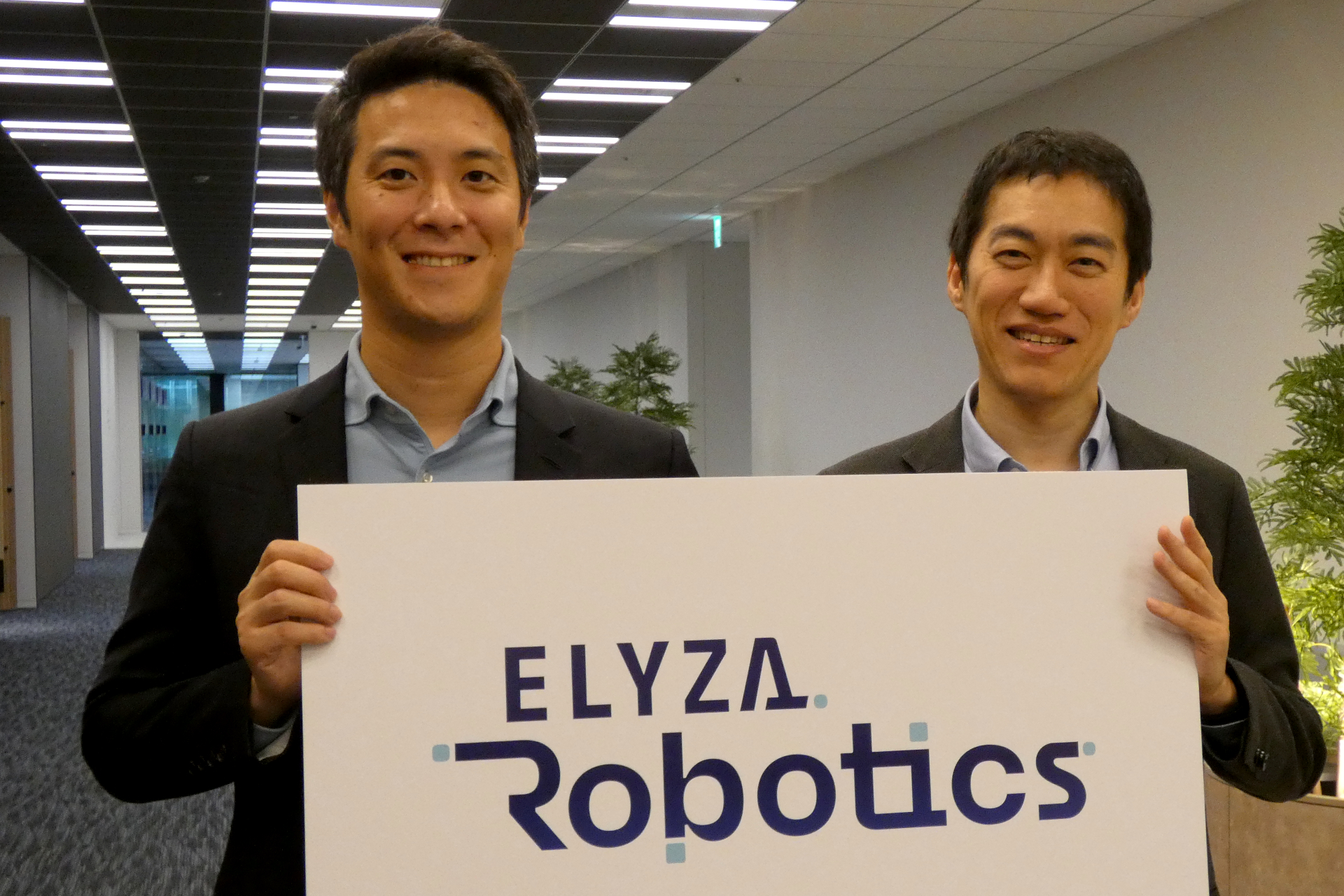
KDDI and ELYZA established ELYZA Robotics to develop robot foundation models, procure robots, and integrate them on site, drawing on ELYZA's LLM research and KDDI's low-latency networks and GPU infrastructure.
Why it matters
The new organization aims to combine research with real-world deployment, addressing a gap between lab results and practical use in physical AI.
Summaries like this, every morning.
ELYZA Robotics brings together experts from across the KDDI group who had been working on physical AI for over a year, consolidating them into a core organization. The entity aims to combine ELYZA's foundation model research with KDDI's infrastructure and operational know-how. ELYZA has also set up ELYZA RSI Research to study automated research and AI-driven AI development, and the two leaders see potential to apply that work to physical AI.
A major focus is data collection. The executives noted that deciding which sensors to use, such as RGB versus depth, and how much full-body data to capture, requires iterative improvement. They consider field-specific datasets a more durable technical asset than individual model architectures. On the hardware side, robots in research use break down within a few months, and the lack of a repair ecosystem means operations can be disrupted. Benchmark results also show a gap: the CVPR 2026 winning model achieved about 41% success, with second place and below at about 21% or less, and the current Table30 V2 leader is in the low 40% range.
The organization plans to start deployments in settings like the Lawson store inside KDDI's office and eventually expand to logistics, manufacturing, and hospitals. KDDI's data center in Sakai is expected to support low-latency connections to large models, which the executives see as a way to combine real-time responsiveness with larger model sizes.
Pick your industry and the AI tools you use, and get news related to your work every day.
Free · 30 seconds with Google · unsubscribe anytimeWhat is AIToday? →
Ask AI anything about this article. The AI reads this article, earlier AIToday articles, and Wikipedia, and cites its sources. Q&As are published on this page for other readers too.
Qvyon launched with $8 million led by MaC Venture Capital and released Mimic Core, a platform that turns real…
AMD's Data Center revenue hit $8.546 billion as total revenue rose 44.7% to $13.377 billion, and Alphabet's Cl…
millionways launched Thorsten-4, an AI model built from a German research project in which dozens of psycholog…

Databricks released the Genie app for Slack to General Availability, so users can @mention Genie or DM it and…
Google, Samsung, Gentle Monster, and Warby Parker opened preorders for AI smartglasses with no screen, startin…

Nvidia's board announced Thursday that Colette Kress, who joined the chipmaker in 2013, will serve as interim…