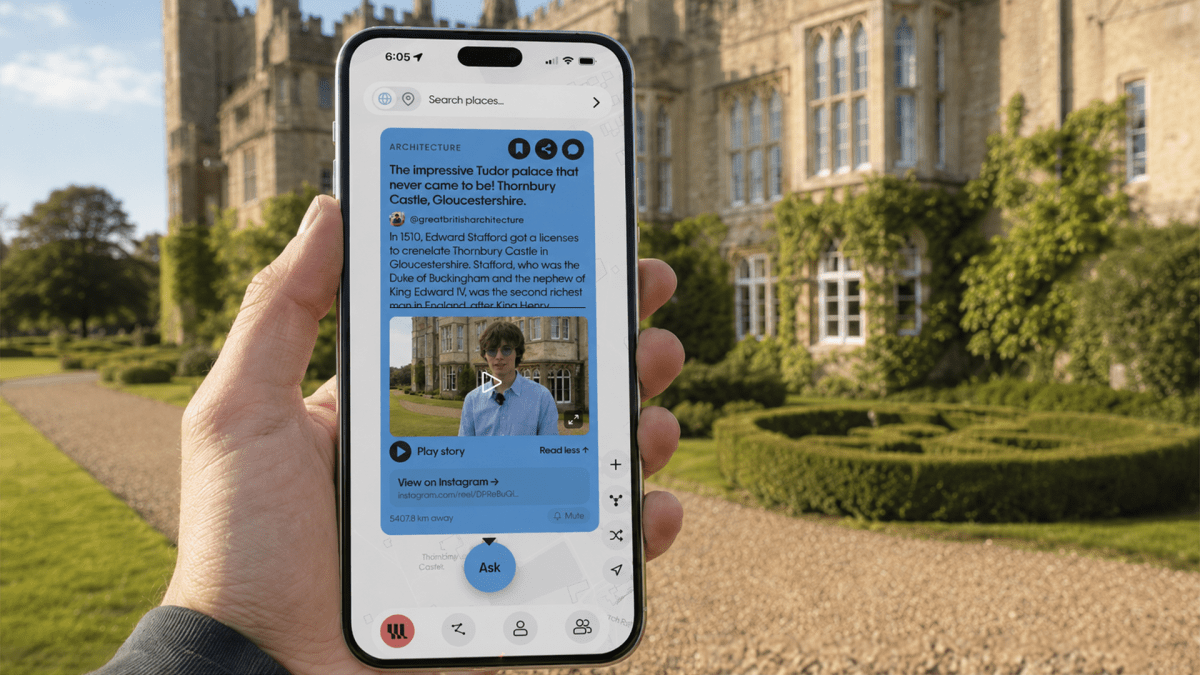
What happened
Wrinkles, available on iOS and Android, uses location data to automatically surface audio stories about places around you—everything from building history to street lore. The app was founded by David Stemler, a longtime advertising executive, and Ryan Hansan, who previously founded ScratchDC and TasteLab. The startup has built a global foundation of 1.3 million points of interest across 177 countries, and historians, museums, creators, and brands can add their own stories to the map.
Why it matters
Stemler conceived the idea after frustratingly spending an entire visit to the British Museum looking down at his phone instead of taking in his surroundings—the app lets you learn while keeping your eyes up. The founders see it as more than a travel tool; it's designed for daily use: on commutes, at local gardens or zoos, or to preserve family memories tied to specific places. Revenue comes from the supply side—museums, tourism boards, universities, and hotels pay to create location-based experiences without building their own apps.
What to watch
The app remains free for users, with the business model built around institutional partners and transaction revenue (booking tours, reserving tables, buying tickets). Users can ask questions while exploring, follow friends and creators, save and share stories, and attach family photos and recordings to places.
Summaries like this, in your inbox every morning.
Wrinkles emerged from the founders' long friendship and shared love of travel. David Stemler got the idea while visiting the British Museum in London, frustrated that the official audio tour app forced him to stare at his phone rather than absorb his surroundings. After describing this experience to co-founder Ryan Hansan during a phone call from the airport, they set out to build an app that lets the world speak to you instead of the other way around. The two have a track record of building location-focused businesses—Hansan previously founded ScratchDC, a meal delivery service, and TasteLab, a commercial kitchen for food entrepreneurs—and they brought that operational mindset to Wrinkles.
The business model is deliberately designed for recurring daily use rather than occasional travel. While the app is free to users, museums, tourism boards, universities, and hotels pay to create branded experiences, and the company captures a share of bookings, reservations, and ticket sales made through those location-linked guides. This two-sided marketplace approach lets institutions avoid building their own apps while giving Wrinkles a direct revenue stream. The founders have experimented with a freemium model but remain committed to free access for end users, betting that value accrues through institutional partnerships and transaction fees rather than consumer subscriptions.
Pick your industry and the AI tools you use, and get news related to your work every day.
Free · 30 seconds with Google · unsubscribe anytimeWhat is AIToday? →
Ask AI anything about this article. The AI reads this article, earlier AIToday articles, and Wikipedia, and cites its sources. Q&As are published on this page for other readers too.
ElevenLabs completed a $300 million employee tender at a $22 billion valuation, and co-founder Mati Staniszews…

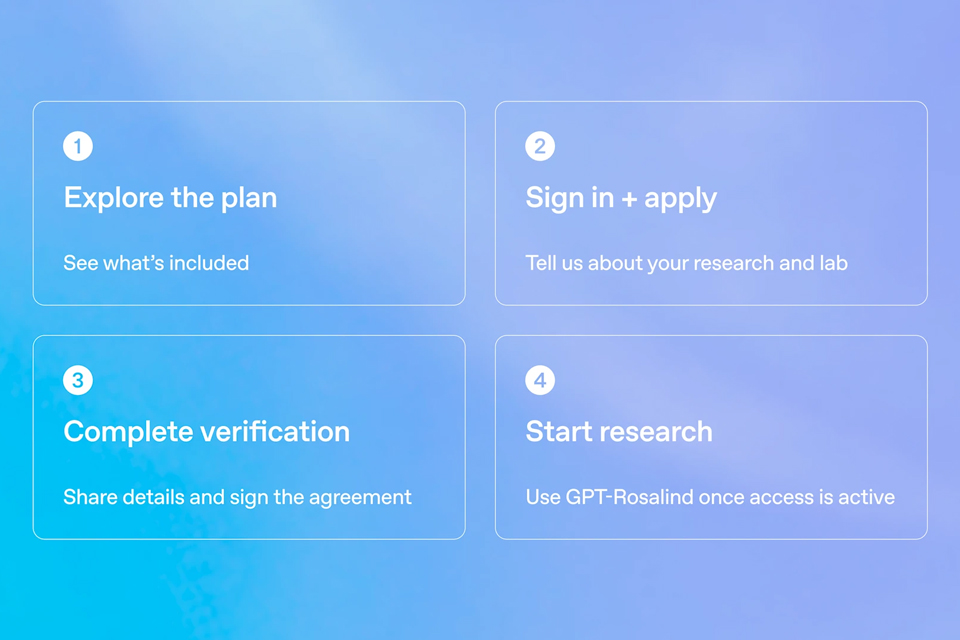
On October 15, OpenAI announced the Rosalind Academic Plan, giving approved US university labs free access to…
A Qiita article compared automated red-teaming methods for LLM apps — GCG, PAIR, and TAP — using mock implemen…

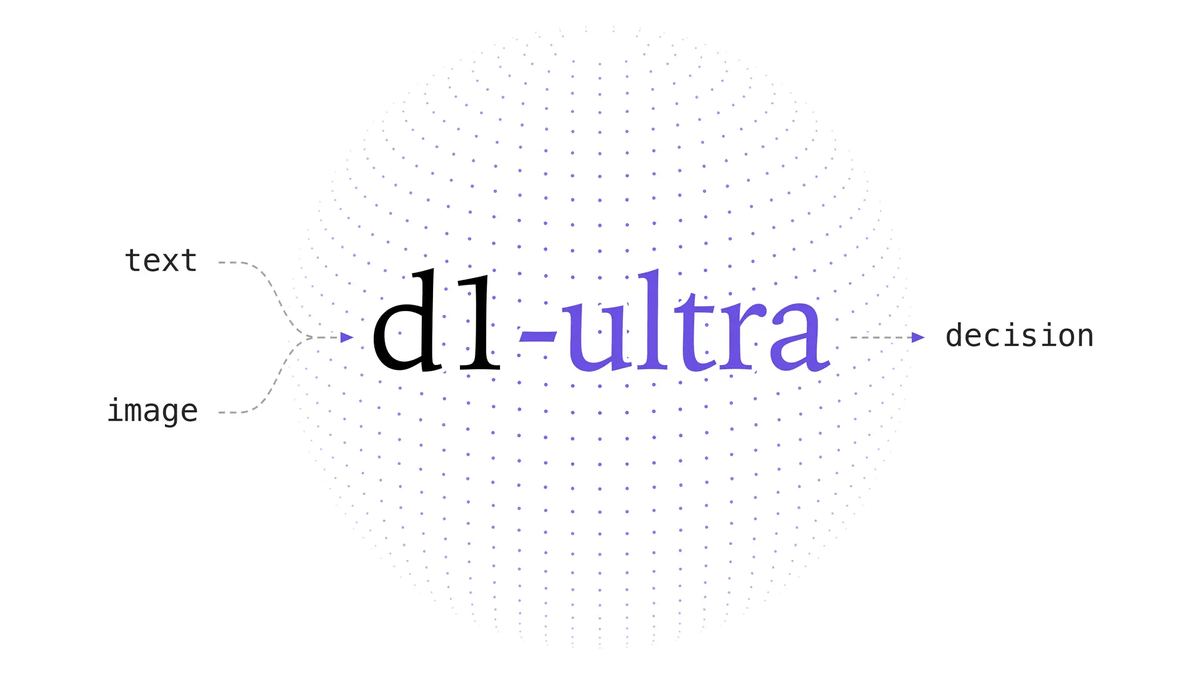
Liquid AI released d1-ultra on October 15, 2026, an upgraded open-weights decision model that averaged 76.7 ac…
Circlia started a proof-of-concept for TASTE SIGNAL: visitors to Holland Village Cafe FUKUOKA taste cookies an…

In a webinar hosted by French Mathematical Society president Isabelle Gallagher, Fields Medal winner Hugo Dumi…

