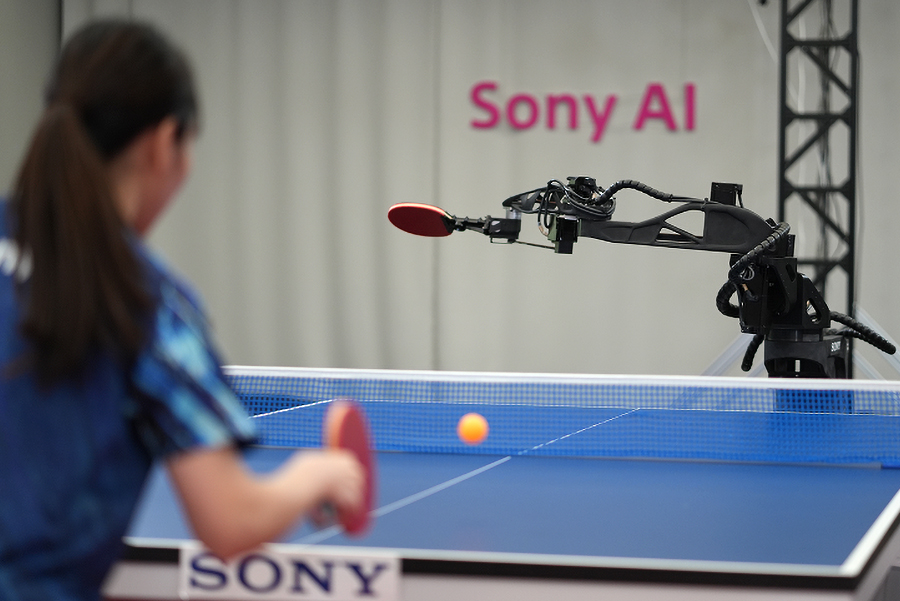
Sony AI developed Ace, a ping-pong robot that can defeat elite human competitors while playing by International Table Tennis Federation rules—the first robot to achieve this feat after decades of competitors like Omron's FORPHEUS only challenged amateur players.
Unlike chess or Go AIs (which work on screens and pure calculation), Ace had to be engineered to match human speed and reflexes in the physical world—requiring the robot to see the ball, predict its path, and move its arm and paddle fast enough to respond in real time, making this a fundamentally harder engineering problem than previous AI game victories.
This signals that physical robotics is entering a new phase where AI isn't just winning at abstract games but mastering sports that demand split-second coordination, opening the door to robots competing at elite levels in real-world athletic and manual tasks—a capability manufacturers and sports tech companies will watch closely.
Ask the AI about this article →
For example, today's edition would include:
AI-summarized, only the topics you pick — one digest a day via Email, Slack, or Discord.
Free · takes 30 seconds · unsubscribe anytimeWhat is AIToday? →
Ask AI anything about this article. Q&As are published on this page for other readers too.
Solomon Technology, a Taiwanese AI 3D vision company, is showcasing two key inspection applications at Semicon…

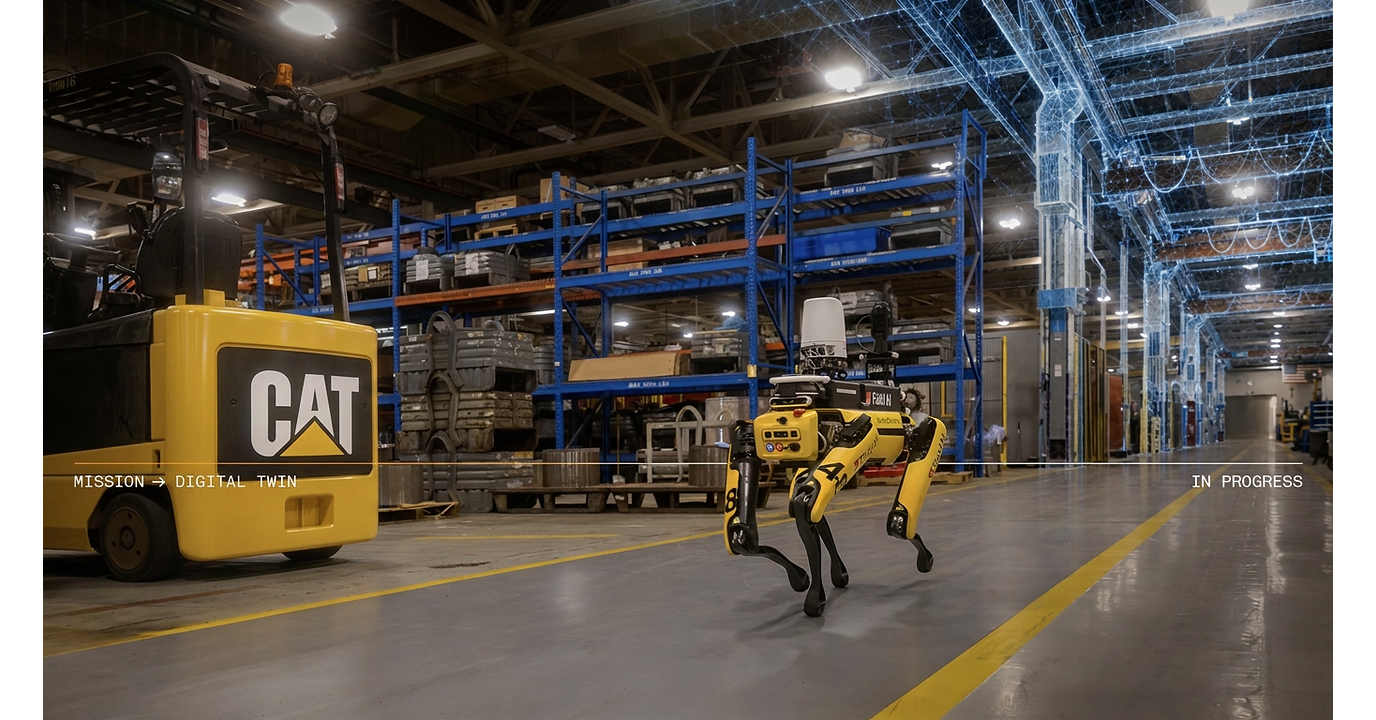
Caterpillar announced a collaboration with FieldAI to deploy physical AI, autonomy, robotics, and NVIDIA-power…
At Commercial UAV Expo in Las Vegas, FAA officials said routine BVLOS (beyond visual line of sight) drone oper…

Caterpillar is collaborating with FieldAI to advance physical AI, autonomy, and robotics for jobsites and fact…
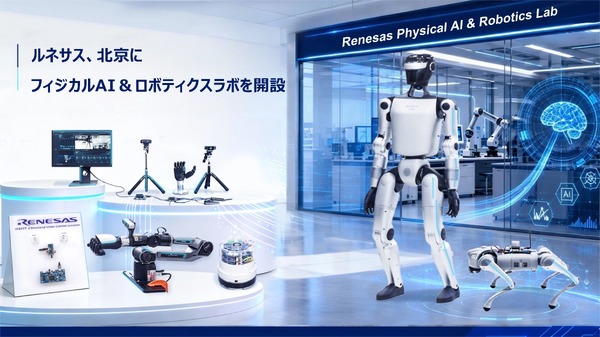
Renesas Electronics announced it has opened a Physical AI & Robotics Lab in Beijing, China
AWS Japan held the final presentation event for its “Physical AI Development Support Program by AWS Japan,” an…