
What happened
Meta launched Muse Glimmer, a smaller open-weight AI model designed to run on a single graphics card on a Mac or PC, rather than requiring expensive cloud infrastructure.
Why it matters
As companies seek cheaper and more flexible ways to deploy AI without relying on cloud services, Meta's smaller model offers an alternative to both costly U.S. closed systems and increasingly capable open-weight models from Chinese competitors like Alibaba, DeepSeek, and Moonshot. Mark Zuckerberg is also pushing for fewer U.S. restrictions on open-weight model development, citing concerns about China's growing presence in the space.
What to watch
Whether developers actually adopt Meta's open models over the increasingly capable Chinese alternatives. Meta plans to release additional open-weight models as part of the strategy.
Summaries like this, in your inbox every morning.
Meta's launch of Muse Glimmer reflects a strategic shift in how the company positions itself in the AI race. Rather than competing directly with the large, closed models of OpenAI and Anthropic, Meta is targeting a different market segment: developers and organizations seeking cost-effective, flexible AI deployment that does not depend on expensive cloud services. This positioning becomes significant given the growing presence of open-weight alternatives from Chinese companies—Alibaba, DeepSeek, and Moonshot—which have begun to gain traction in a market where many leading U.S. systems remain proprietary.
Zuckerberg's parallel push for fewer U.S. restrictions on open-weight model development suggests that Meta views the competitive landscape as increasingly shaped by regulatory and geopolitical factors. By emphasizing the need for looser constraints, Zuckerberg may be signaling that Meta believes it can compete more effectively with Chinese rivals if regulatory barriers are lower. The move also aligns with Meta's broader effort to rebuild its AI ambitions after significant spending on research and development.
Pick your industry and the AI tools you use, and get news related to your work every day.
Free · 30 seconds with Google · unsubscribe anytimeWhat is AIToday? →
Ask AI anything about this article. The AI reads this article, earlier AIToday articles, and Wikipedia, and cites its sources. Q&As are published on this page for other readers too.
Apple and Meta said they would jointly release a new open-weight AI model designed to run on high-end Macs, ai…

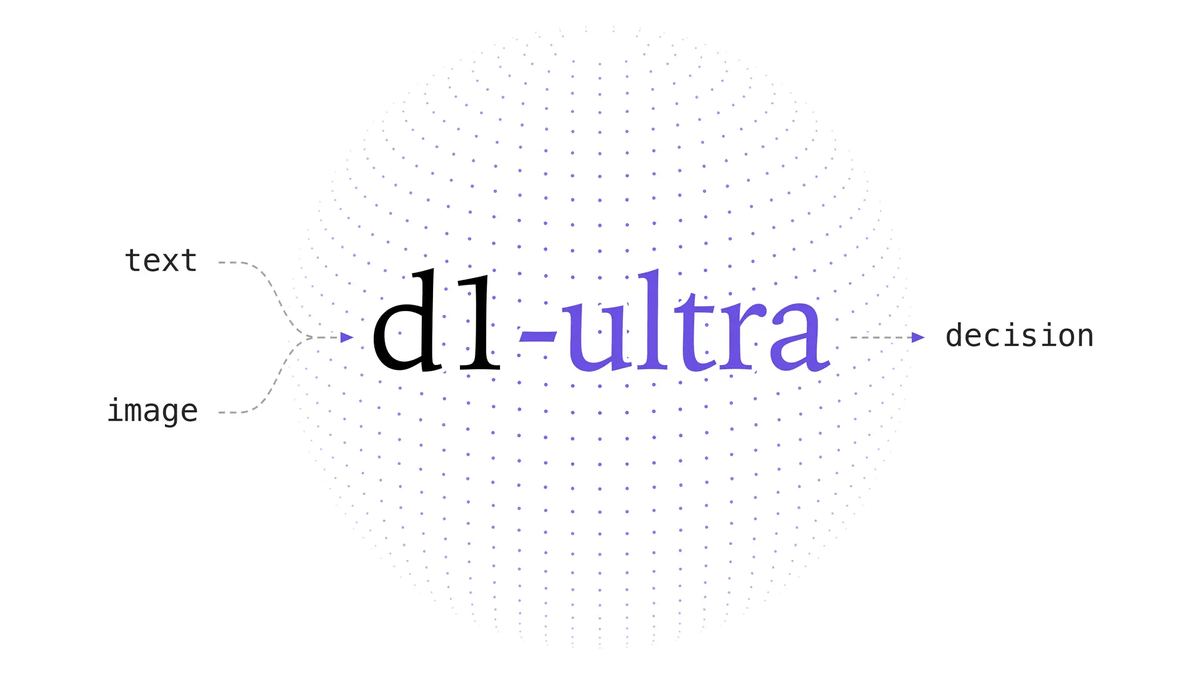
Liquid AI released d1-ultra on October 15, 2026, an upgraded open-weights decision model that averaged 76.7 ac…
NVIDIA released Nemotron 3.5 Super VL, an open-weight model with 120 billion parameters that handles text, ima…

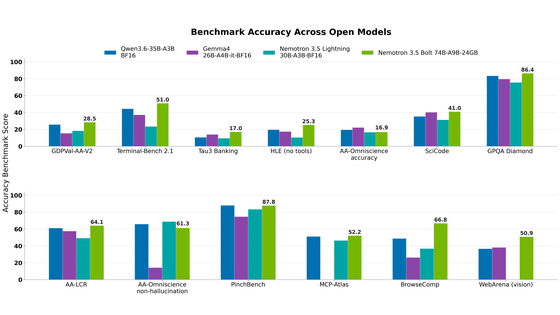
NVIDIA released Nemotron 3.5 Bolt 74B-A9B 24GB, an AI model for local agents that hits over 80 tokens per seco…
Black Forest Labs released FLUX 3 Image Klein as open weights on October 15, 2026 — a 5.6B-parameter model for…

PrismML released Ternary Bonsai 2 2B, 4B and 9B on October 15, 2026, remade from Qwen3.5 to process in three v…