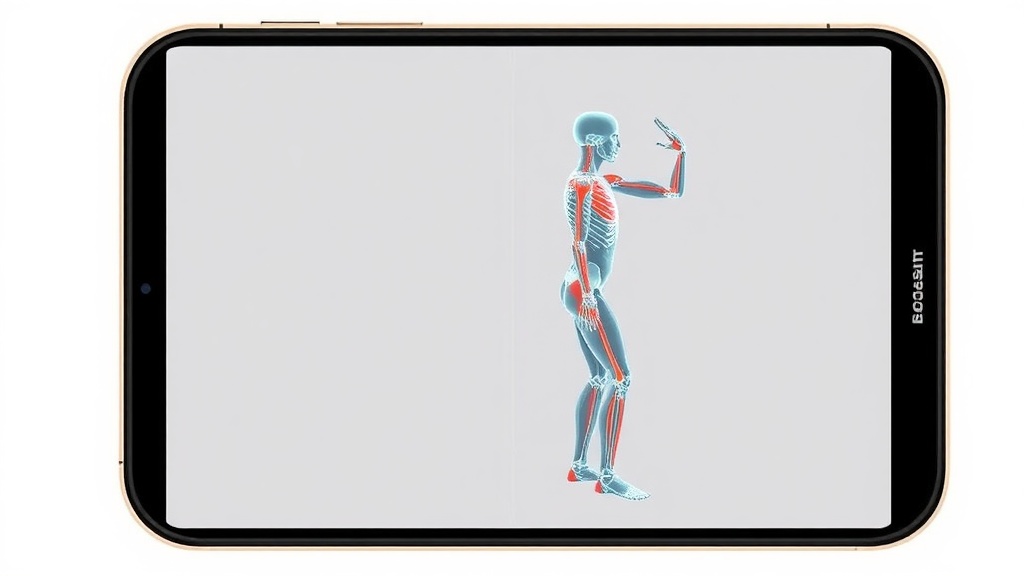
OpenCap Monocular uses a single smartphone video to estimate 3D skeletal kinematics and musculoskeletal forces, eliminating the need for expensive laboratory equipment
Summaries like this, in your inbox every morning.
Pick your industry and the AI tools you use, and get news related to your work every day.
Free · 30 seconds with Google · unsubscribe anytimeWhat is AIToday? →
Ask AI anything about this article. The AI reads this article, earlier AIToday articles, and Wikipedia, and cites its sources. Q&As are published on this page for other readers too.
OpenAI introduced the Rosalind Academic Plan, giving eligible academic labs at U.S

Santen Pharmaceutical's R&D division reached a 93% weekly usage rate for generative AI, applying it to study p…

Snowflake published a post on agentic AI across oncology's five stages, citing AstraZeneca cutting data produc…

A solo developer built Yurune, a web app that plays synthesized rain, wave and forest sounds and lets users ta…

Pharmaceutical Executive will host a November 4, 2026 webcast introducing the RAIL Score, a framework for eval…

Reuters reports that the pharma sector is doubling down on AI as a way to cut costs and timelines