
What happened
Amazon is purchasing rare books through commercial channels, cutting off their spines, and scanning them at its Las Vegas facility (VGT3) to obtain training text for its LLMs (AI models that understand and generate text), according to 404 Media, which tracked a rare book to the facility.
Why it matters
Rare and out-of-print texts offer Amazon a source of pre-2022 human-written content that has not been ingested from the internet—valuable because LLMs risk a quality degradation called 'model collapse' when they train on AI-generated text instead of authentic human writing.
What to watch
Amazon stated it 'purchases books through commercial channels to improve the products and services customers use,' suggesting this sourcing strategy may continue as companies compete for uncorrupted training data.
Summaries like this, in your inbox every morning.
Amazon's practice of sourcing rare books for AI training reflects a broader industry challenge: the finite supply of authentic human-written text online. As LLMs (AI models like ChatGPT) have saturated freely available internet content, companies have begun seeking alternative sources—Anthropic, for example, has already used illegally pirated books. The stakes are concrete: when LLMs train on too much AI-generated text, a phenomenon called 'model collapse' degrades their output quality, making pre-2022 human-written texts especially valuable.
Rare and out-of-print books are a particularly coveted resource because they are nearly impossible to find on the internet, yet contain guaranteed human authorship. Amazon's centralized scanning operation at its VGT3 facility in Las Vegas—identifiable by its dinosaur-holding-a-book symbol—suggests the company is investing infrastructure in this acquisition strategy. The fact that Amazon publicly frames this as purchasing books 'through commercial channels' indicates that such sourcing, while potentially destructive to irreplaceable cultural artifacts, is now an accepted part of AI development economics.
Pick your industry and the AI tools you use, and get news related to your work every day.
Free · 30 seconds with Google · unsubscribe anytimeWhat is AIToday? →
Ask AI anything about this article. The AI reads this article, earlier AIToday articles, and Wikipedia, and cites its sources. Q&As are published on this page for other readers too.
ElevenLabs completed a $300 million employee tender at a $22 billion valuation, and co-founder Mati Staniszews…

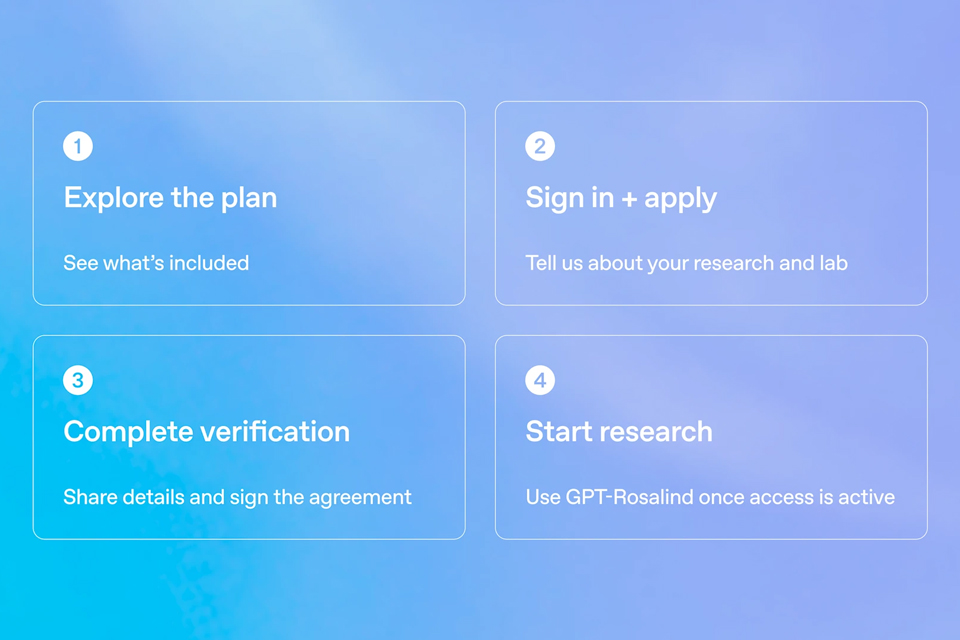
On October 15, OpenAI announced the Rosalind Academic Plan, giving approved US university labs free access to…
A Qiita article compared automated red-teaming methods for LLM apps — GCG, PAIR, and TAP — using mock implemen…

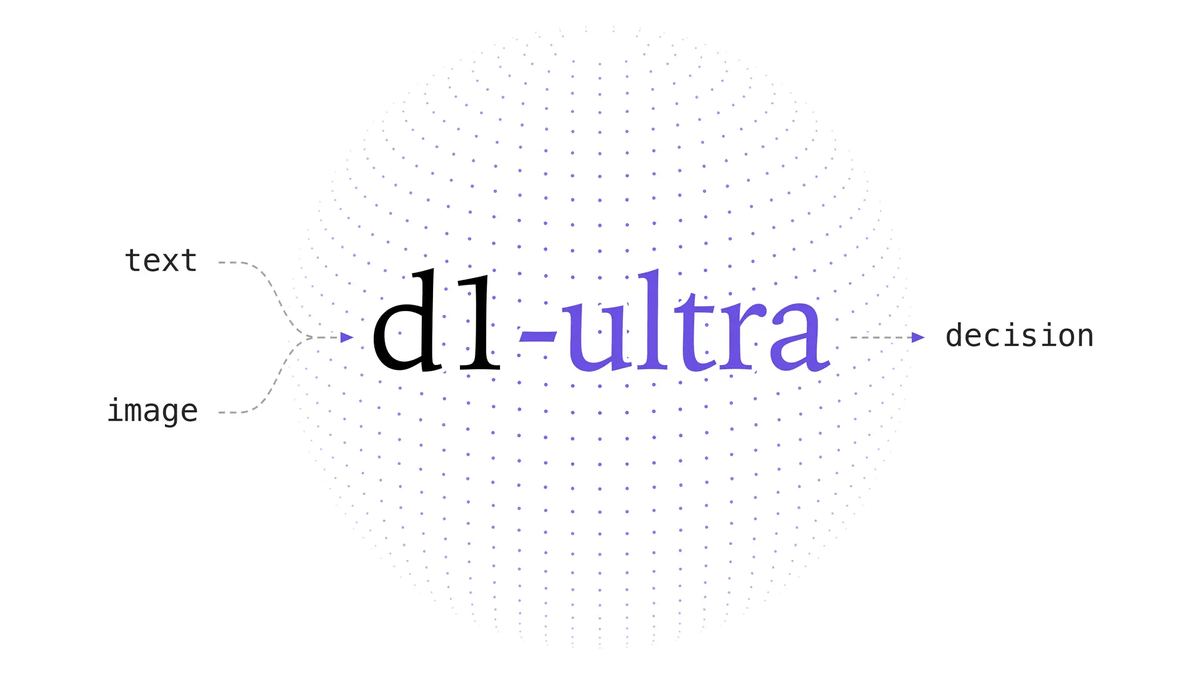
Liquid AI released d1-ultra on October 15, 2026, an upgraded open-weights decision model that averaged 76.7 ac…
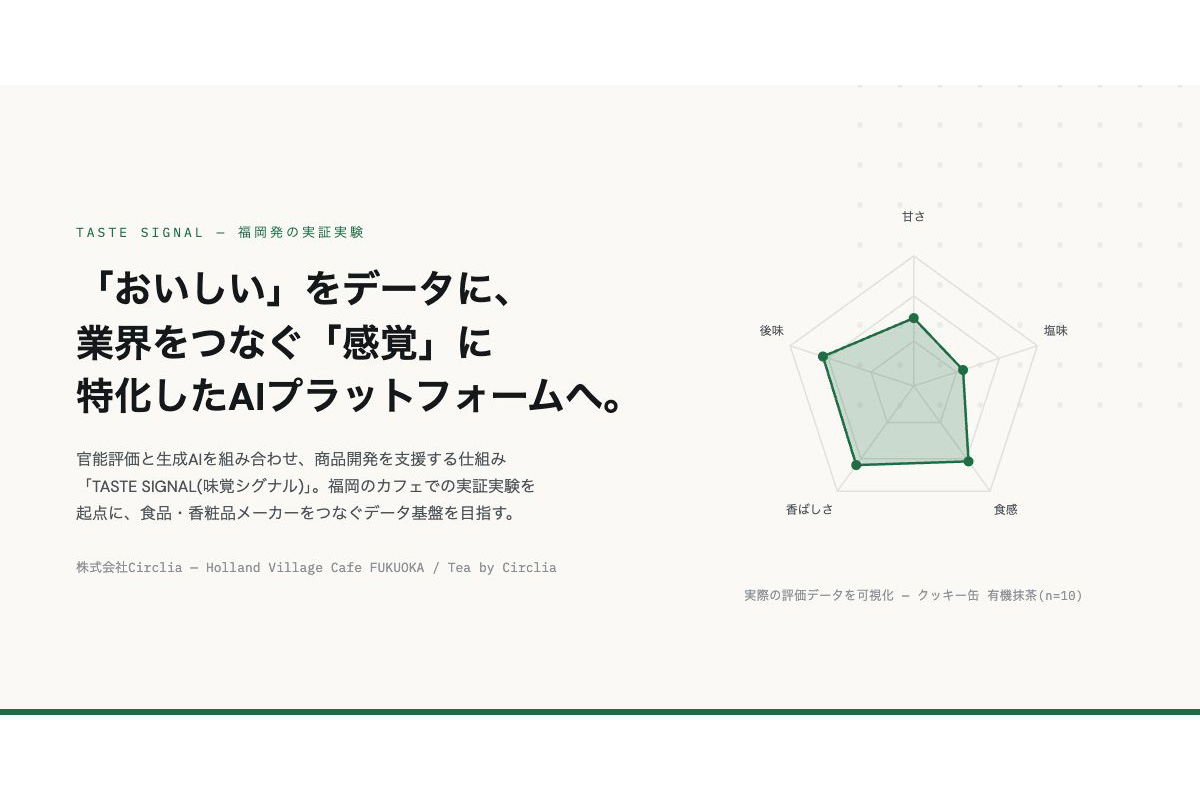
Circlia started a proof-of-concept for TASTE SIGNAL: visitors to Holland Village Cafe FUKUOKA taste cookies an…
In a webinar hosted by French Mathematical Society president Isabelle Gallagher, Fields Medal winner Hugo Dumi…

