What happened
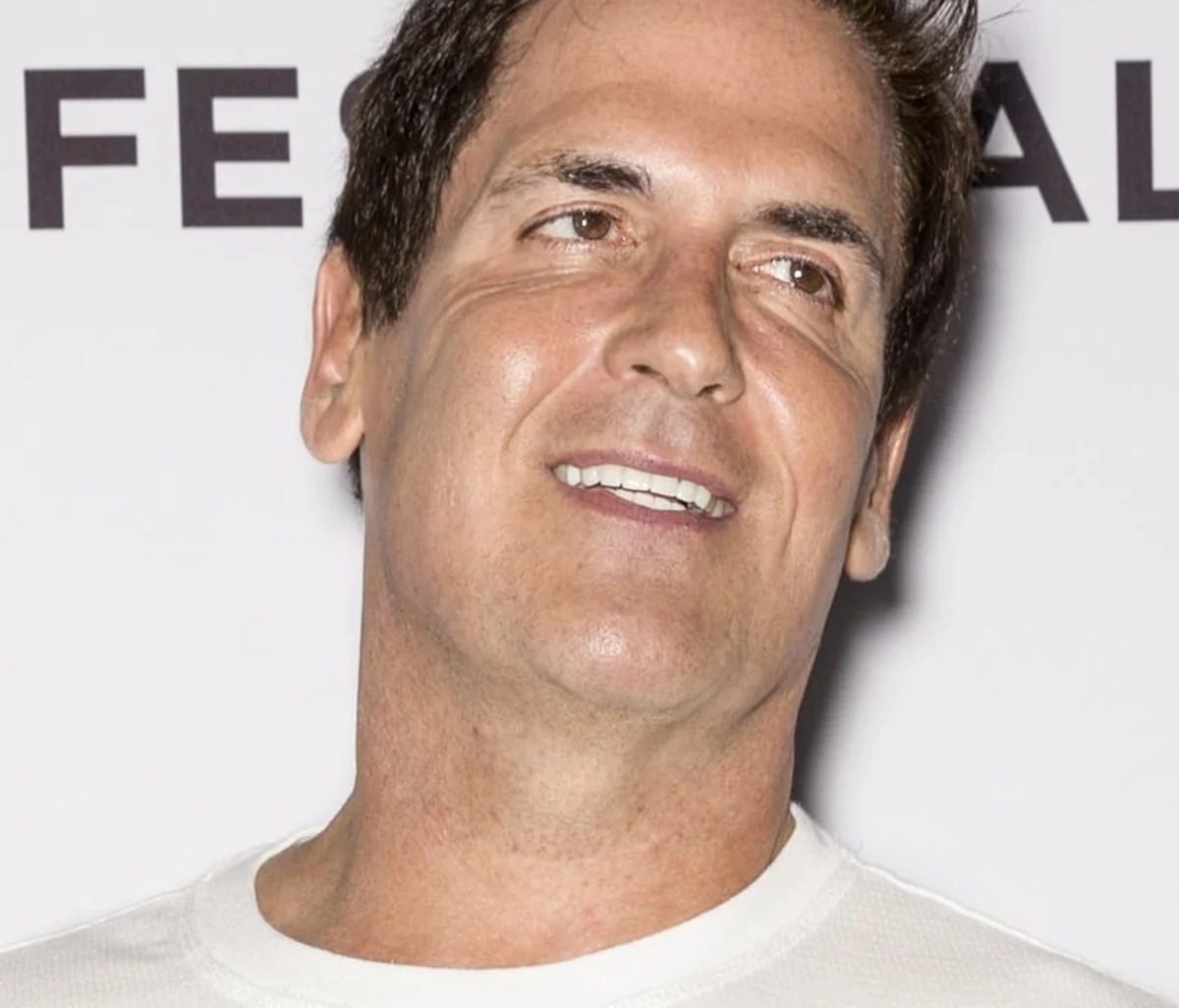
Alphabet raised its 2026 capital expenditure guidance from $195 billion to $205 billion, prompting mixed Wall Street reaction. Mark Cuban defended the spending by comparing it to the late-1990s internet boom, when companies needed to accumulate more servers and bandwidth than competitors to dominate streaming. Alphabet's Q2 revenue reached $119.80 billion, beating estimates, with Cloud revenue at $24.77 billion.
Why it matters
Analysts are split on whether the aggressive spending makes sense. Some, like The Future Fund's Gary Black, worry it could trigger a new CapEx arms race and strain free cash flow (Alphabet posted nearly $6 billion in negative free cash flow). Others, including Gene Munster and strategist Shay Boloor, argue Google Cloud's 82% year-over-year revenue jump and $514 billion backlog prove the investment is paying off in real demand for AI infrastructure.
What to watch
Whether Alphabet's capacity-building strategy translates into sustained Cloud growth and market share gains, or whether the spending becomes a drag on profitability. The company's ability to convert its capital investments into Cloud revenue traction will likely determine whether Wall Street's skepticism or Cuban's optimism proves correct.
Ask the AI about this article →
Summaries like this, in your inbox every morning.
Alphabet's decision to increase CapEx guidance by $10 billion reflects the company's bet that artificial intelligence infrastructure competition is similar to the infrastructure arms race of the late 1990s. Mark Cuban's analogy draws a direct line between that era—when companies like Akamai and early content delivery networks had to own vast amounts of server capacity and bandwidth to dominate streaming video—and today's AI landscape, where GPU and compute capacity functions as the equivalent bottleneck. The core disagreement on Wall Street centers on whether this spending is a necessary investment or wasteful overallocation. Gene Munster's focus on Google Cloud's $514 billion backlog and 82% revenue growth suggests that demand for Alphabet's AI services is real and growing, meaning the capacity spend is pre-emptively meeting customer needs rather than building speculatively. Conversely, concerns about nearly $6 billion in negative free cash flow and the risk of triggering broader industry spending escalation reflect worry that Alphabet may be outrunning its ability to monetize the infrastructure at a pace that justifies the capital outlay.
For example, today's edition would include:
AI-summarized, only the topics you pick — one digest a day via Email, Slack, or Discord.
Free · 30 seconds with Google · unsubscribe anytimeWhat is AIToday? →
Ask AI anything about this article. Q&As are published on this page for other readers too.
Nvidia announced partnerships with Australian NVIDIA Cloud Partners and AI infrastructure providers on Septemb…

The article argues Alphabet, trading at 15x forward earnings, is the cheapest "Magnificent Seven" stock and co…

Taiwan's optical communications supply chain is entering a more consequential phase of the AI infrastructure c…

Taiwan's Ministry of Finance said on September 9 that electronic parts exports reached US$32.22 billion in Aug…

Dell took $60.9 billion of AI server orders in its fiscal second quarter, ended July 31, 2026, against total r…
Oracle delivered 850 megawatts of AI capacity — over 300,000 GPUs — in its fiscal first quarter of 2027, and t…