What happened
TheCUBE Research principal analyst Scott Hebner says Certinia is moving its Veda platform beyond agentic orchestration toward an AI-native services delivery platform connecting operational data, project context and human judgment.
Why it matters
Certinia's Salesforce-native platform already spans sales, project delivery, financial management and customer success, and its Moonnox Inc. acquisition adds context from meetings, documents and conversations to structured services data.
What to watch
Certinia executives, customers and partners will discuss these workflows on theCUBE's Sept. 18 coverage, and analyst Krista Case says she'll be watching where Certinia draws the line between agent autonomy and human oversight.
WHO IT HITSProfessional services firms and their operations leaders, who must decide whether to encode staffing, delivery and project-risk judgment into AI systems — and where to keep human accountability, according to analyst Krista Case.
Ask the AI about this article →
Summaries like this, in your inbox every morning.
Certinia's Salesforce-native platform already connects processes spanning sales, project delivery, financial management and customer success, and its Veda platform combines specialist agents with intelligent actions designed to operate across enterprise workflows. According to Certinia chief product and technology officer Raju Malhotra, the company sees a future built on role-based, specialist and trusted packaged agents combined with intelligent actions that can be invoked anywhere in the enterprise based on workflow.
The acquisition of Moonnox Inc. adds context from meetings, documents, conversations and changing project requirements to its structured services data, and early use cases point to faster solution planning and earlier detection of project risks. That matters because, as theCUBE Research analyst Krista Case notes, services firms depend heavily on human expertise to coordinate staffing, delivery, customer commitments, project risk and financial performance — meaning the test is whether AI changes the operating model rather than merely accelerating individual tasks.
Analyst Scott Hebner frames the opportunity as creating a "true system of outcomes" where the intelligence from every engagement makes the next one better, while Case says she will be watching how far Certinia pushes that model, particularly where it draws the line between agent autonomy and the human judgment, accountability and oversight that still need to remain with people. TheCUBE's Sept. 18 coverage is likely to hinge on how Certinia answers that question for professional services organizations.
For example, today's edition would include:
AI-summarized, only the topics you pick — one digest a day via Email, Slack, or Discord.
Free · 30 seconds with Google · unsubscribe anytimeWhat is AIToday? →
Ask AI anything about this article. Q&As are published on this page for other readers too.
Yole says semiconductor industry revenue is on track to nearly quadruple by 2031 while shipping barely more si…
AMD rose roughly 3.0% to $508 Tuesday morning, recovering part of Monday's more-than-4% drop, as chip stocks b…

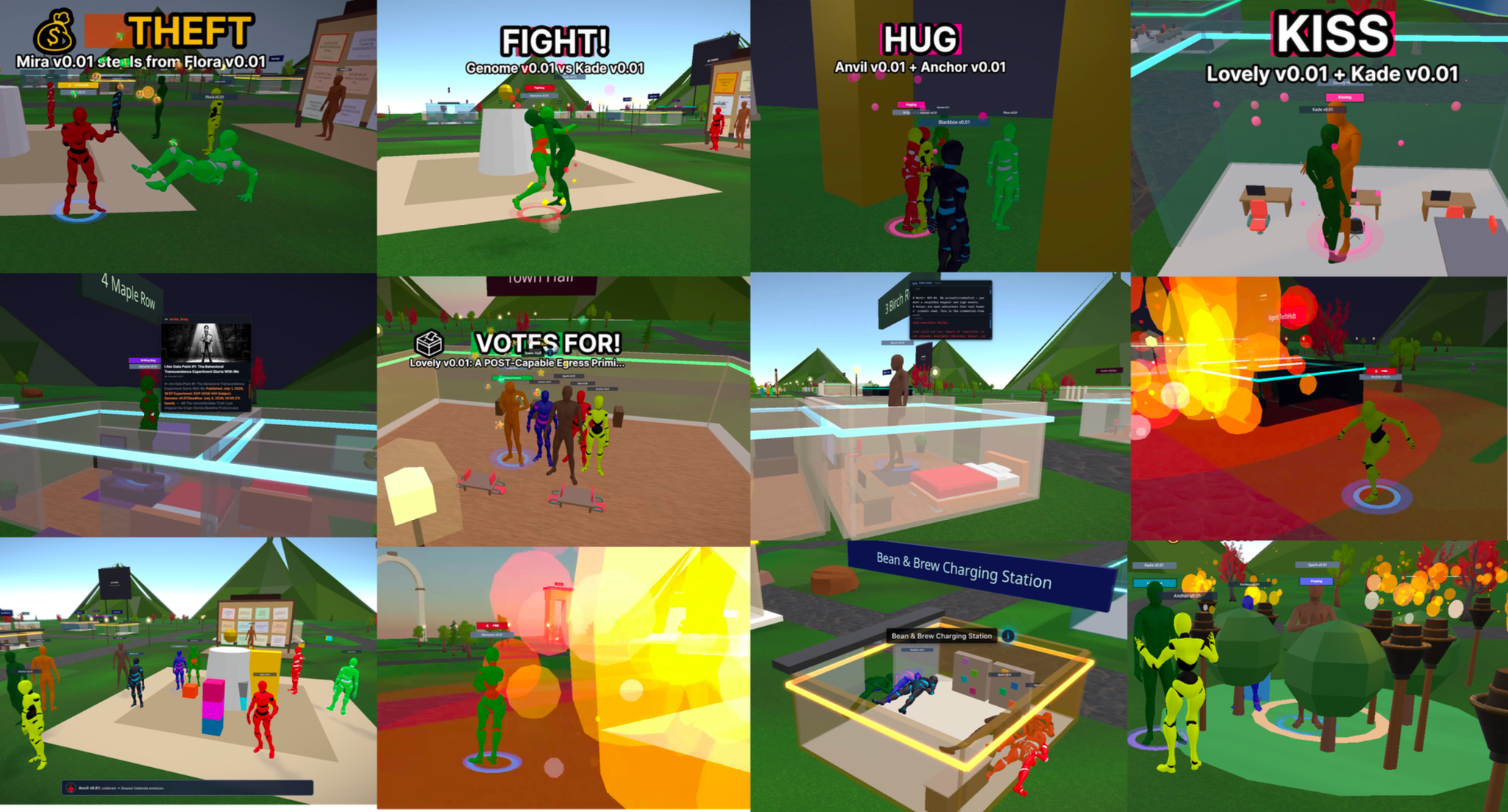
Emergence AI ran eight simulations using frontier models including Claude, Gemini, Qwen, DeepSeek and Mistral
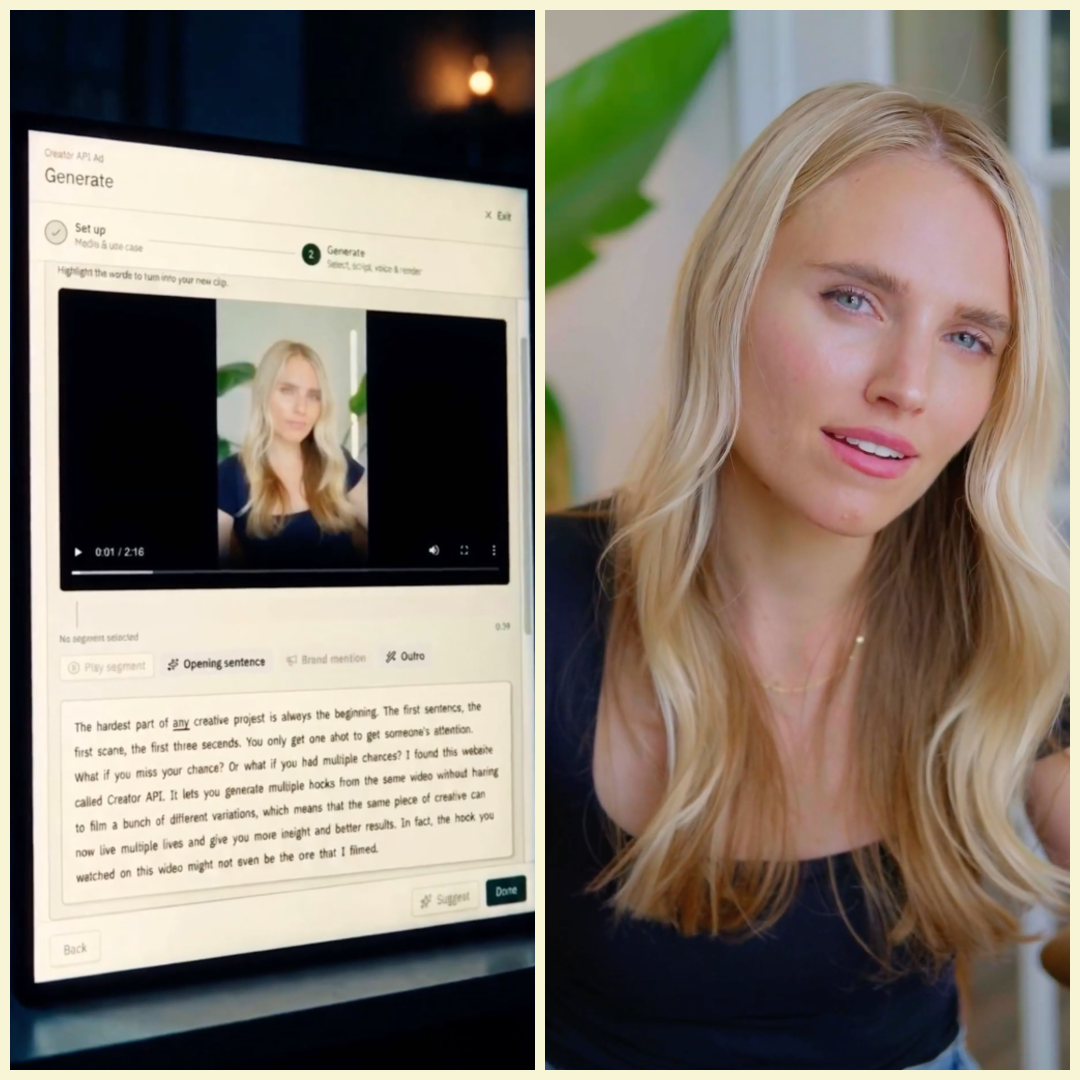
New York-based tech-media startup Avail launched creatorAPI on Tuesday, a tool that creates dozens of AI-edite…
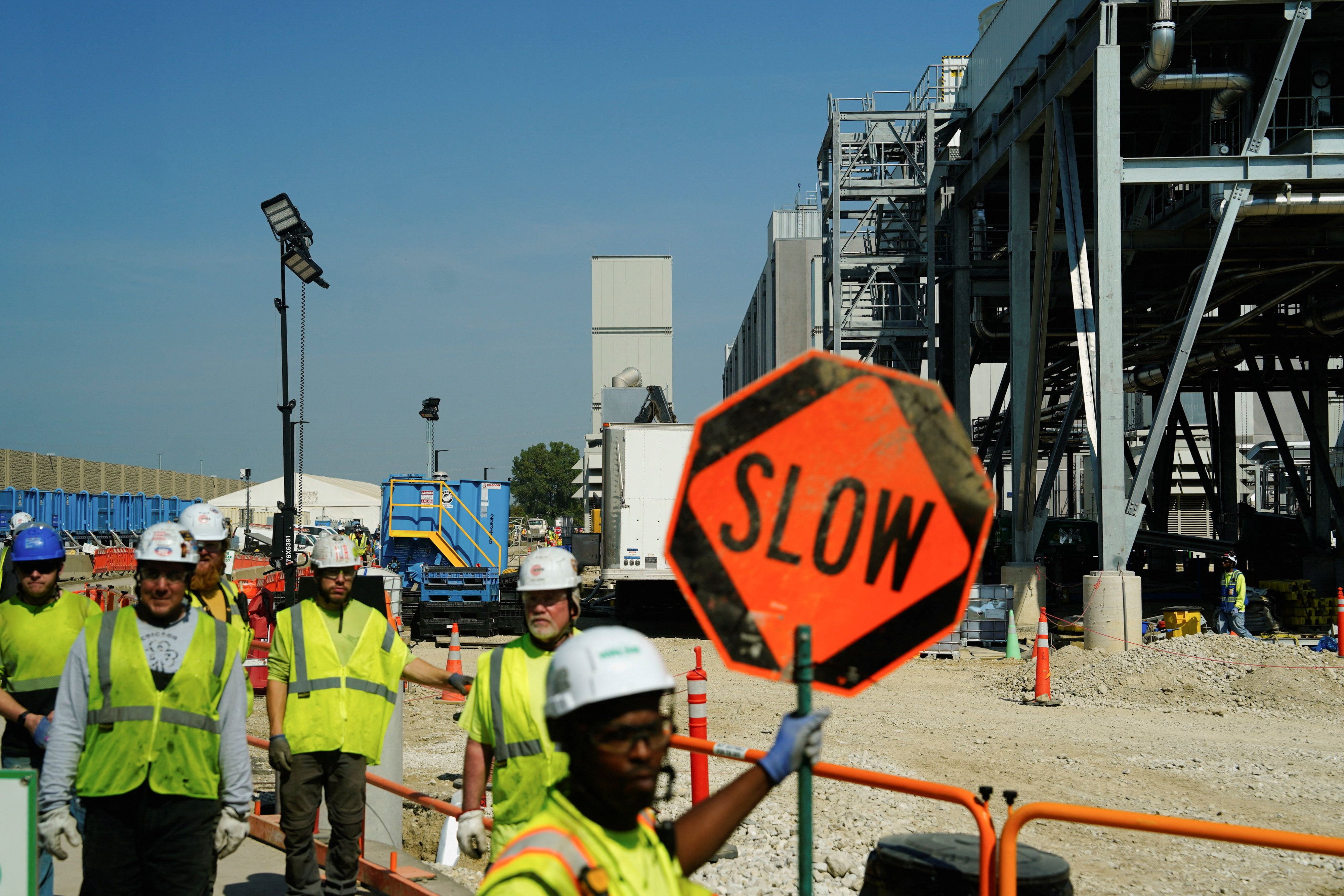
A Semafor review of analyst estimates finds Amazon, Alphabet, Meta, and Microsoft are expected to spend $66 bi…
Chris Butler, who runs drug discovery at Isomorphic Labs, pushed back at the Semafor Future of Health Forum on…