
What happened
Since September, US restrictions on Chinese firms' remote access to advanced Nvidia chips in foreign data centers and anti-distillation measures from OpenAI and Anthropic have delayed projects at Deepseek, Moonshot AI, and Alibaba, The Information reports.
Why it matters
Chinese AI labs are being squeezed on both access to computing power and the ability to learn from US models, forcing them to seek workarounds.
WHO IT HITSChinese AI developers such as Deepseek, Moonshot AI, and Alibaba face project delays as they lose access to foreign Nvidia chips and distillation methods, forcing them to explore workarounds like renting compute through non-Chinese third parties or using domestic chips.
Summaries like this, every morning.
The pressure on Chinese AI developers has been building since September, when US restrictions on remote access to advanced Nvidia chips in foreign data centers took effect alongside anti-distillation measures from OpenAI and Anthropic. According to The Information, these combined constraints are now causing delays across ongoing projects at Deepseek, Moonshot AI, and Alibaba.
The impact is already visible in corporate decisions. Moonshot AI has canceled a $150 million deal for Nvidia Blackwell chips in Indonesia, and Deepseek researchers have internally estimated that their gap to top US models could widen from three to six months to nine months if distillation—a technique where a smaller model learns from a larger one's outputs—disappears entirely.
In response, Chinese firms are pursuing workarounds. Some are trying to rent computing power through non-Chinese third parties, while others like MiniMax, Mihoyo, and Alibaba are leaning more heavily on domestic chips and investing more in training data for their own reinforcement learning. These adaptations suggest the labs are attempting to reduce reliance on both foreign hardware and US model outputs, though the effectiveness of these strategies remains to be seen.
Pick your industry and the AI tools you use, and get news related to your work every day.
Free · 30 seconds with Google · unsubscribe anytimeWhat is AIToday? →
Ask AI anything about this article. The AI reads this article, earlier AIToday articles, and Wikipedia, and cites its sources. Q&As are published on this page for other readers too.
At Schwab Impact, Schwab launched Schwab Connector and Claude for Financial Advisors, put Wealth.com's Esther…
Microsoft Threat Intelligence says state-sponsored and financially motivated groups — including Storm-0940, On…
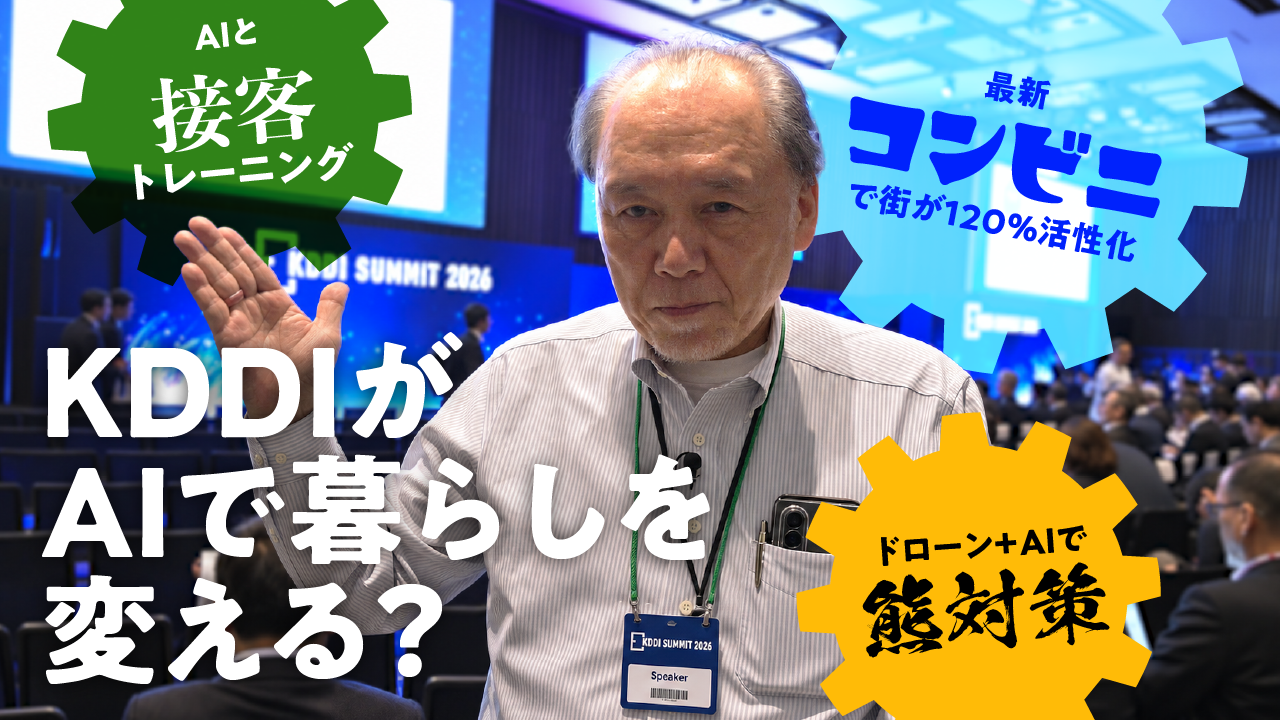
At KDDI SUMMIT 2026, KDDI President Hiroo Matsuda said an AI-first society could bring cases like an AI cancel…
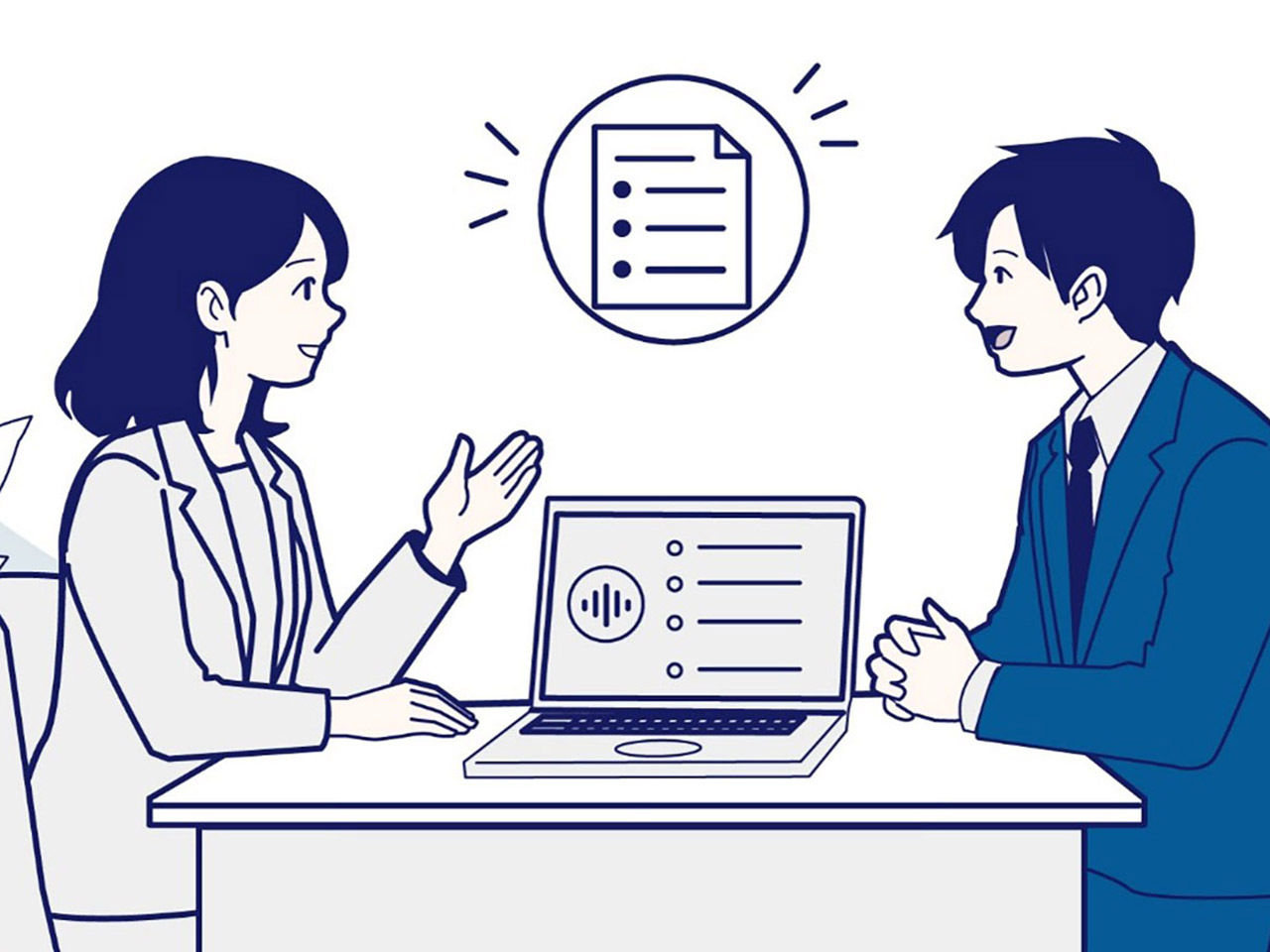
Panasonic Connect started offering Panasonic PC Edge AI Note Taker on 11月24日
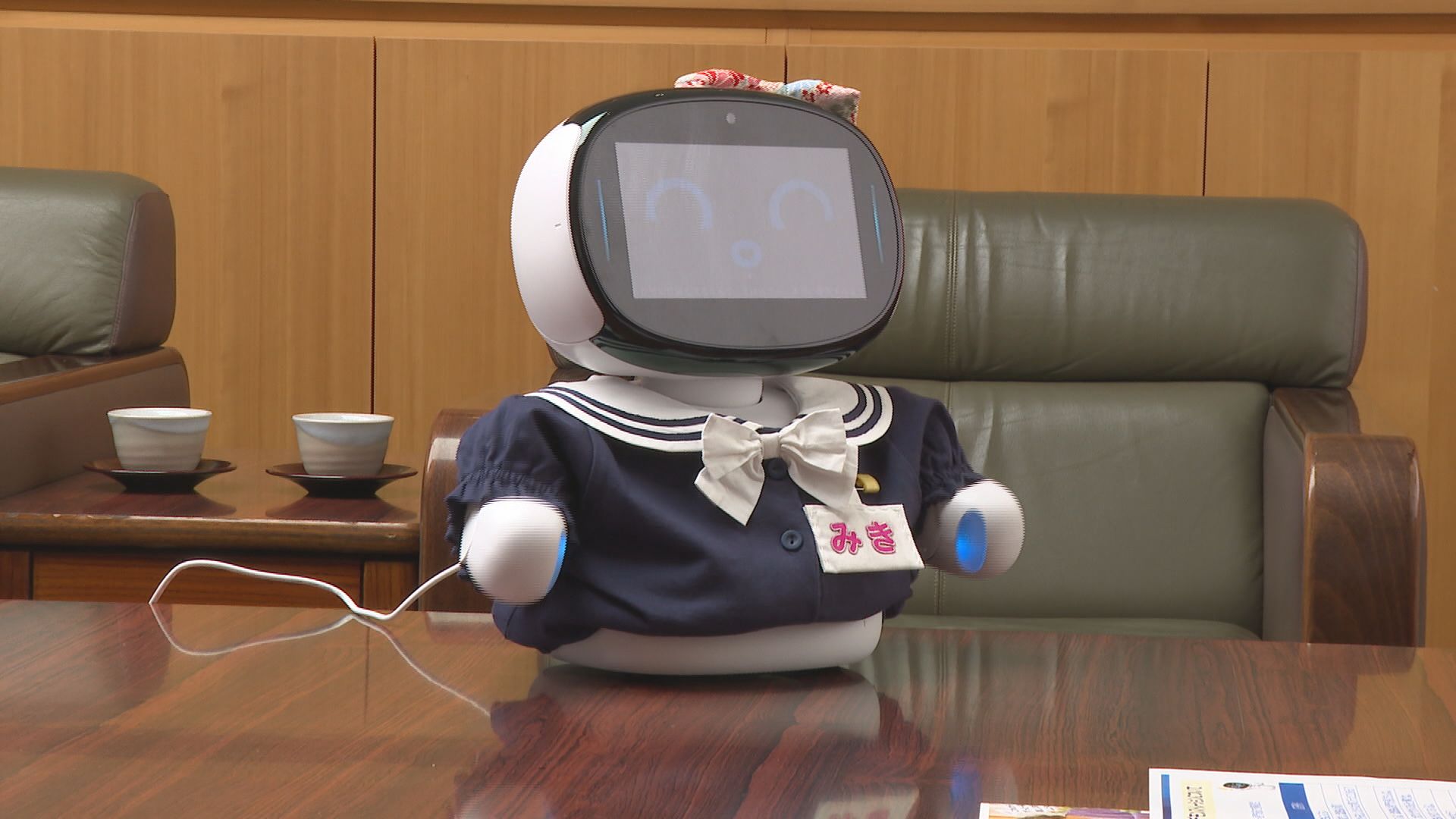
Nagato City, Nagato Television and Sumitomo Electric started a trial of a generative-AI conversational robot p…
MUFG launched its personal finance app 'Muuto' one year ago, and is now building a next-generation digital ban…