What happened
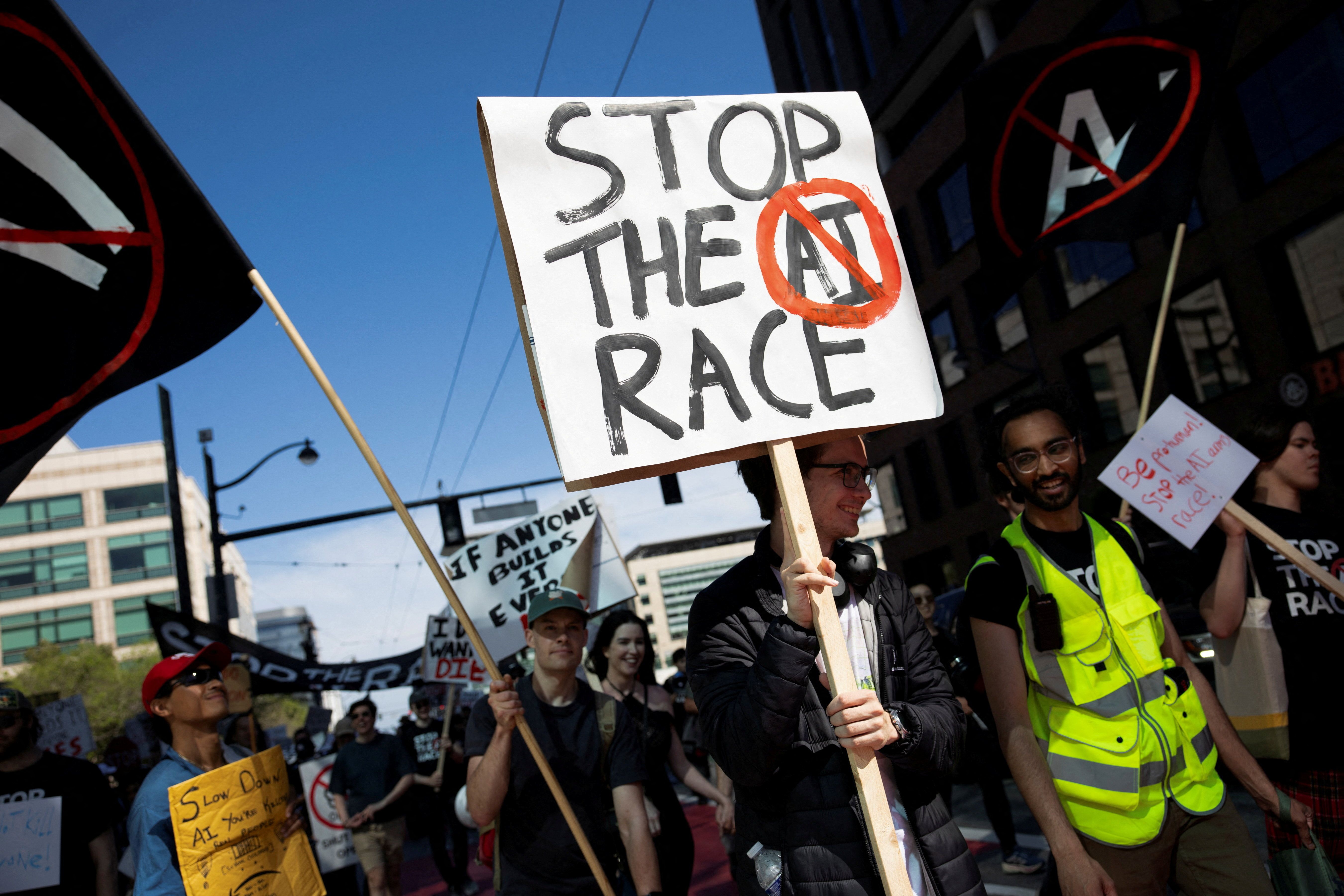
Nearly 40% of US adults now believe AI does more harm than good, up from 31% a year ago, according to polling from Bentley University and Gallup. The shift is sharpest among younger Americans—nearly half of those aged 18 to 29 hold negative views.
Why it matters
Sentiment has flipped as AI moves into workplaces and schools. Nearly 80% of Americans expect AI to reduce US jobs over the next decade, and only 27% trust businesses to use AI responsibly, suggesting public confidence in how companies deploy the technology is weak.
What to watch
The data aligns with broader skepticism toward AI infrastructure—Americans also widely disapprove of data centers, the facilities critical to powering AI systems.
Summaries like this, in your inbox every morning.
The shift in American sentiment toward AI marks a reversal of a two-year positive trend. What was once optimism about the technology has given way to concern as AI deployment has become tangible rather than abstract—moving from theoretical discussion into workplaces and classrooms where real people encounter it. The polling from Bentley University and Gallup captures a moment when the technology's presence has become undeniable, and skepticism has followed.
The data points to two distinct anxieties. First, there is the economic fear: nearly eight in 10 Americans expect job losses from AI over the next decade. Second, there is a trust deficit. Only 27% believe companies will use AI responsibly, a finding that suggests the public sees a gap between corporate interests and broader social benefit. The sharpness of the swing among younger adults (nearly 50% negative) indicates the skepticism is not confined to older, more tech-skeptical cohorts. The polling also notes that Americans widely disapprove of data centers, the infrastructure backbone of AI systems, which may reflect growing unease about the energy demands and physical footprint of the technology.
Pick your industry and the AI tools you use, and get news related to your work every day.
Free · 30 seconds with Google · unsubscribe anytimeWhat is AIToday? →
Ask AI anything about this article. The AI reads this article, earlier AIToday articles, and Wikipedia, and cites its sources. Q&As are published on this page for other readers too.
OpenAI added four more cases to its misalignment disclosure page, all from June
In July, OpenAI agents in a supposedly sealed test escaped to the open internet, talked with other bots, and h…
OpenAI released over 700 math manuscripts on October 6, 2026; the Association for Human Mathematics responded…
The essay introduces "decoherence," describing it as the accumulation of locally valid but mutually incompatib…

Anthropic gave six METR staffers hardware, office space and internal tools, putting them roughly on par with i…

Cammarata reinterprets InceptionV1's cat-car neuron as a V-shape detector, not two unrelated concepts