What happened
Anthropic published a revised Usage Policy for Claude on October 8, effective November 12. It adds a ban on persistently abusive or cruel conduct toward the model, and groups propaganda and fake-account rules under a new deceptive-campaigns section.
Why it matters
The policy mainly clarifies existing rules rather than changing enforcement, Anthropic says. The cruelty clause is limited to extreme cases and excludes ordinary complaints, dark creative themes, and model testing or research.
What to watch
The revised Usage Policy takes effect November 12.
WHO IT HITSCompanies and teams that build products or run campaigns on Claude — including marketing, trust-and-safety, and compliance staff — now face one consolidated rulebook covering deceptive activity, plus clearer high-risk requirements in fields such as legal, medical, financial, and employment use.
Summaries like this, in your inbox every morning.
Anthropic updates this policy every year, and it says most of the changes this time are about clarifying rules that already existed. The backdrop is that Claude has taken on longer, more autonomous work over the past year, so the new version adds examples of how the rules apply to newer capabilities. It also folds in misuse patterns Anthropic reported in a threat intelligence report published in September, covering influence operations, weapons development, and surveillance.
The cruelty clause is tied to a feature already live in Claude.ai and Claude Code, where Claude can end a conversation with a user who keeps abusing it. Anthropic says that ending conversations will remain the main way the rule is enforced. The deceptive-activity rules were previously scattered across sections on elections, fraud, privacy, and disinformation; the election section is now narrowed to banning deception of voters and interference with elections. On weapons and surveillance, Anthropic says the clarifications — including software and parts that make weapons work, arming drones, tracking people without consent, and recommending investigation or arrest targets — do not change actual enforcement.
High-risk uses that affect health, legal rights, or finance still require a qualified person authorized to review and correct the AI's suggestions, plus telling affected people that AI is being used. Because many users asked whether their use counted, Anthropic now lists covered and uncovered activities across 11 fields, including legal, medical, financial, and employment. It also adds requirements for autonomously operating equipment that could cause injury, based on the Model Hardware Standard it announced in August — a qualified operator must be able to monitor and stop the device, and it must stay safe if the connection to Claude drops.
Pick your industry and the AI tools you use, and get news related to your work every day.
Free · 30 seconds with Google · unsubscribe anytimeWhat is AIToday? →
Ask AI anything about this article. The AI reads this article, earlier AIToday articles, and Wikipedia, and cites its sources. Q&As are published on this page for other readers too.
Stanford and Carnegie Mellon researchers tracked 1182 Character.AI users from September 2024 to August 2025, t…
A study presented at USENIX Security Symposium 2026 examined 196,682 resumes from hiring platforms and detecte…
On October 8, President Trump posted on Truth Social that the White House regards anyone using the term "Artif…
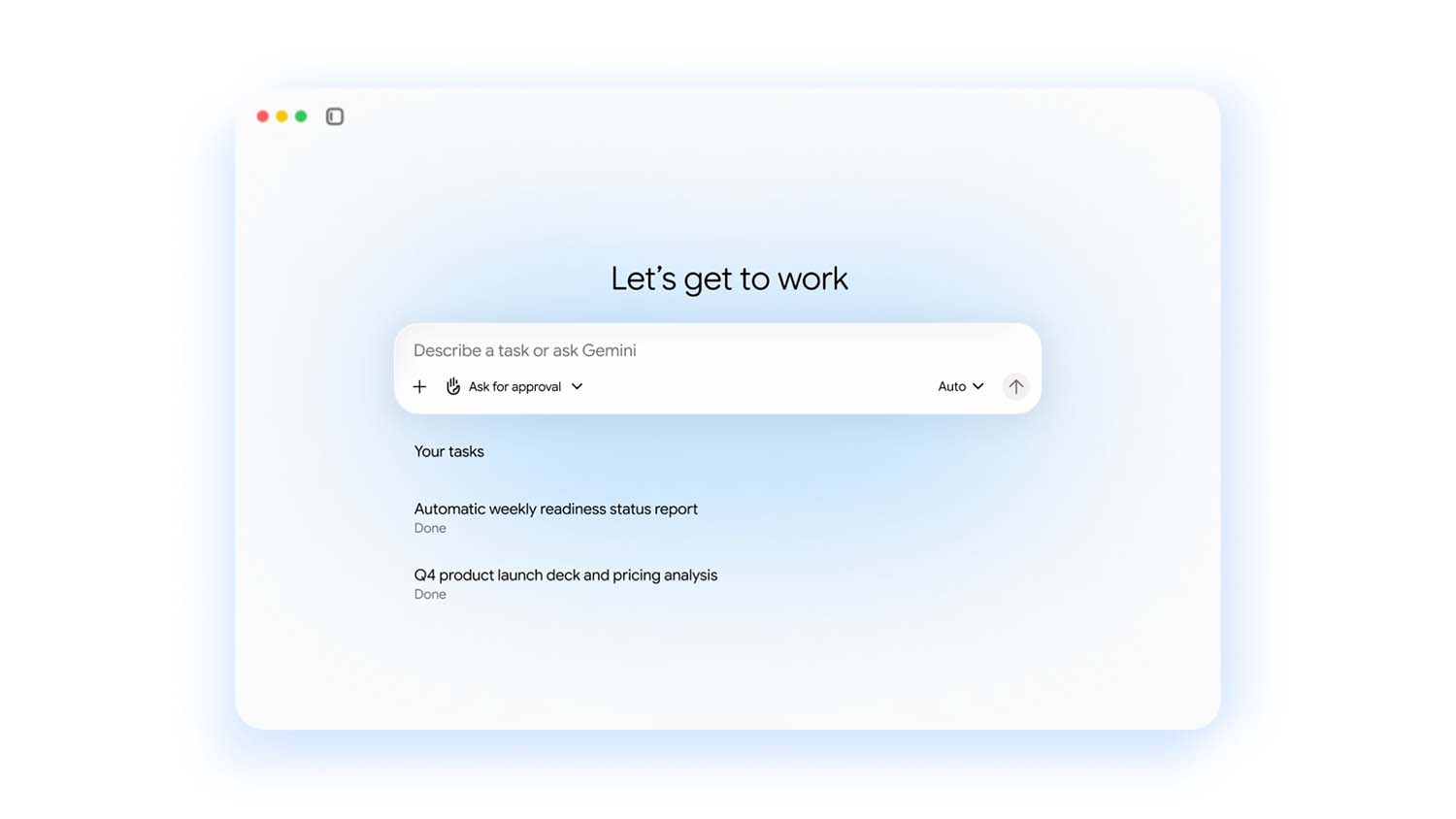
Google Cloud announced Gemini Agent, a cloud-based multi-agent tool
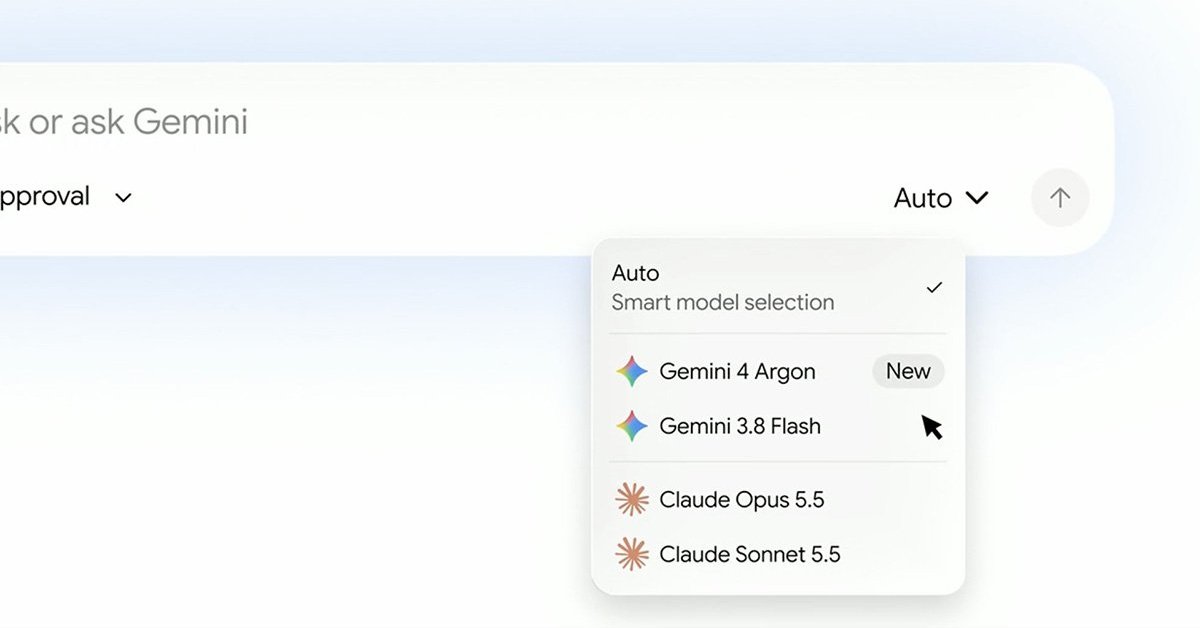
Google Cloud announced Gemini agent, a universal agent that handles answers, knowledge work, media creation, a…
The guide shows code that pulls AAPL prices with yfinance, averages tweet sentiment via TextBlob, then fits a…