AIToday
DRONELIFEPublished: Aug 1, 2026, 01:00 JST3 min read

Air India, SkyDrive, Suzuki Study eVTOL Medical Deliveries in India

Air India, SkyDrive, Suzuki Study eVTOL Medical Deliveries in India

Key takeaway

  • Air India, Japan's SkyDrive, and Suzuki have partnered to study using electric aircraft to deliver emergency medical supplies in India, bypassing urban congestion where every minute matters.

  • The three companies signed the agreement on July 31, 2026, and will work to develop a framework for safe eVTOL operations in India's expanding aviation market.

  • SkyDrive has already demonstrated remotely piloted flights in Tokyo and is targeting commercial launch in 2028.

3 Key Points

  1. What happened

    Air India, SkyDrive Inc., and Suzuki Motor Corporation signed a memorandum of understanding on July 31, 2026, to study last-mile emergency medical logistics using SkyDrive's eVTOL aircraft (electric vertical takeoff and landing aircraft) in India. The partnership will focus on transporting high-value, time-critical medical supplies to bypass severe urban congestion in major Indian cities.

  2. Why it matters

    India's major cities face severe traffic congestion that delays time-critical medical deliveries. The collaboration pairs SkyDrive's eVTOL technology with Air India's operational expertise and airport infrastructure knowledge, plus Suzuki's India market insight—creating a feasibility study for a sector where minutes can save lives. SkyDrive is targeting a 2028 commercial launch and has already demonstrated remotely piloted eVTOL operations in Tokyo.

  3. What to watch

    The study will evaluate and develop a framework for safe, reliable, and scalable eVTOL operations in India. SkyDrive's 2028 commercial launch target will be a key milestone for the broader medical logistics application.

In Depth

Read the full story

On July 31, 2026, Air India, Japan-based SkyDrive Inc., and Suzuki Motor Corporation announced a memorandum of understanding to study last-mile emergency medical logistics using eVTOL aircraft in India. The three companies are responding to a well-documented problem: India's major cities face severe traffic congestion that delays time-critical medical deliveries.

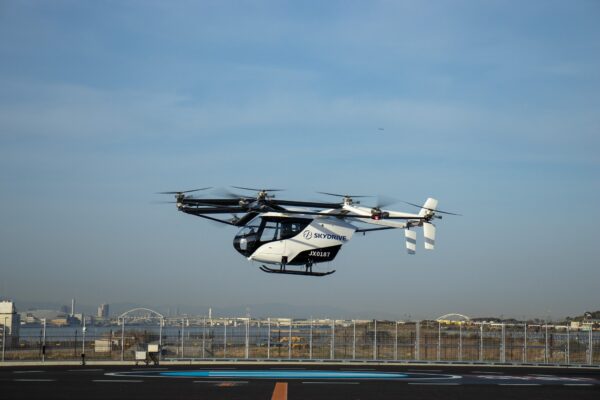
Each partner brings distinct expertise to the collaboration. Air India, India's leading global airline, will contribute operational expertise, airport infrastructure knowledge, and stakeholder relationships. SkyDrive manufactures and sells eVTOL aircraft—electric aircraft capable of vertical takeoff and landing—and has already demonstrated remotely piloted operations in Tokyo; the company is targeting a 2028 commercial launch. Suzuki Motor Corporation contributes India market insight and is collaborating with SkyDrive on aircraft development.

Ramesh Mamidala, Head of Cargo at Air India, framed the initiative in terms of solving a critical infrastructure challenge: "The potential application of eVTOL aircraft for medical air logistics is particularly compelling because it combines technology and purpose, helping to reduce critical transit times when every minute can make a difference." He noted that India's status as "one of the world's largest and fastest-growing aviation markets" makes advanced air mobility a natural fit for the country's transport ecosystem. The study will focus specifically on high-value, time-critical medical supplies—those where delays directly threaten patient outcomes.

Tomohiro Fukuzawa, Founder and CEO of SkyDrive, echoed the urgency: "In India, where chronic congestion is a pressing issue, utilizing eVTOLs for advanced medical logistics—including the transport of high-value, time-critical medical supplies—will reshape medical infrastructure." The partnership will work to evaluate and develop a framework for safe, reliable, and scalable eVTOL operations tailored to India's regulatory and operational environment. The feasibility study represents an early stage in moving eVTOL technology from demonstration to commercial deployment in a high-stakes sector.

Context & Analysis

Air India, SkyDrive, and Suzuki are positioning themselves at the intersection of two urgent needs in India: severe urban congestion and time-critical medical logistics. The body emphasizes that India's major cities already suffer from traffic delays affecting medical deliveries, making the timing of this study strategically sound. SkyDrive brings proven technology (remotely piloted operations demonstrated in Tokyo) and a near-term commercial horizon (2028 launch), while Air India contributes operational expertise and airport relationships—assets essential for regulatory approval and operational integration. Suzuki's role as a partner in both aircraft development and India market navigation signals that this is not a speculative venture but a grounded collaboration anchored in the company's existing India presence.

The study's focus on "high-value time-critical medical supplies" frames the use case narrowly enough to be credible yet broad enough to encompass drugs, diagnostic samples, and emergency equipment where congestion poses measurable risk. India's status as one of the world's largest and fastest-growing aviation markets, mentioned in Air India's statement, provides both the testbed infrastructure and regulatory environment needed to move from feasibility to deployment.

FAQ

When was the partnership announced?
The three companies announced the memorandum of understanding on July 31, 2026.
What is SkyDrive's timeline for commercial operations?
SkyDrive is targeting a 2028 commercial launch and has already demonstrated remotely piloted eVTOL operations in Tokyo.
What problem does this partnership aim to solve?
India's major cities face severe traffic congestion that delays time-critical medical logistics. The partnership aims to use eVTOL aircraft for last-mile emergency medical supply delivery, where reducing transit time can save lives.

Get AI news like this every morning

AI-summarized, only the topics you pick — one digest a day via Email, Slack, or Discord.

Free · takes 30 seconds · unsubscribe anytime

Ask AI

Ask AI anything about this article. Q&As are published on this page for other readers too.

Next articleApple hits $5T value by dodging AI spending race

The AI news that matters, in one minute each morning.

Sign up free
