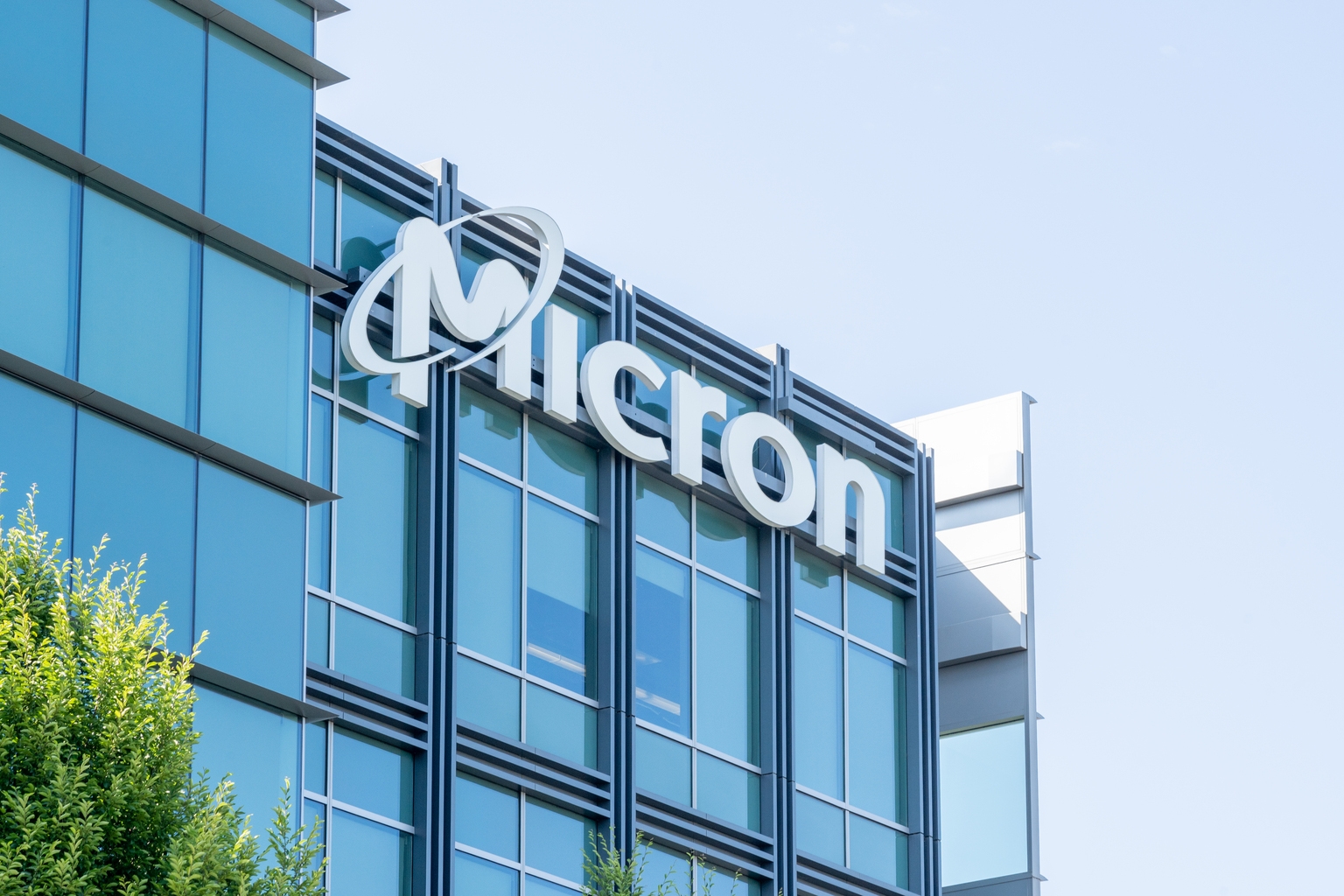
Micron Technology has dropped nearly 40% in recent trading as market uncertainty about the AI buildout's trajectory weighs on the stock. However, the company maintains strong structural demand from AI-driven infrastructure, with robust free cash flow margins supported by long-term customer agreements and major hyperscaler capital spending. Trading at 4.77x EBITDA, the stock may offer value despite cyclical concerns.
Summaries like this, in your inbox every morning.
Sign up free →What happened
Micron Technology stock has fallen nearly 40% recently, even as the company benefits from structural AI-driven demand and maintains strong pricing power in memory chips.
Why it matters
The company's free cash flow margins are projected to remain high, backed by long-term agreements and growing hyperscaler AI capital expenditure commitments. Current DRAM pricing and AI infrastructure buildout provide sustained profit support, though memory price increases are unsustainable long-term.
What to watch
Micron trades at 4.77x EBITDA, offering a valuation discount. The stock presents a buying opportunity for investors, though the market continues to debate whether the AI buildout peak has already been reached.
Micron Technology has been hit with a nearly 40% stock price decline in recent trading, a sharp reversal for what had been a market leader over the past year. The sell-off reflects investor concern about whether the artificial intelligence buildout—a primary driver of memory chip demand—may have already peaked, raising questions about the sustainability of the company's growth.
However, the article argues this panic overlooks the resilience of Micron's underlying business. The company's free cash flow margins are projected to remain solidly high, supported by two key factors: long-term agreements with customers and even bigger hyperscaler AI capital expenditure commitments. Hyperscalers—the giant cloud providers building out AI infrastructure—are committing larger amounts to compute capacity, which requires substantial memory chip purchases. Current DRAM pricing and the continued buildout of AI infrastructure are described as providing resilient profit tailwinds despite near-term market uncertainty.
The article acknowledges that memory price increases cannot be sustained indefinitely, which is why the pricing environment matters for cyclical support rather than permanent advantage. Yet within that framework, Micron's current valuation—trading at 4.77x EBITDA—is offered as a discernible discount that reflects excessive market pessimism. For investors who believe the AI infrastructure build remains durable and Micron's cash generation remains solid, the recent decline presents what the article calls a "golden buying opportunity" at a reasonable margin of safety.
Micron's recent steep decline reflects broader market anxiety about whether the artificial intelligence infrastructure buildout has already peaked—a concern that has gripped the entire semiconductor sector. Yet the article frames this sell-off as disconnected from the company's actual business fundamentals. The stock benefits from what the article describes as structural, not cyclical, AI-driven demand, underpinned by long-term agreements with major cloud providers (hyperscalers) and their expanding AI capital expenditure plans.
The tension in the article is between short-term pricing concerns and long-term cash generation. While memory price increases cannot be sustained indefinitely, the article argues that the current DRAM pricing environment, combined with the scale of ongoing AI infrastructure investment, provides durable profit support. This distinction—between temporary price volatility and sustainable demand—appears to be what separates the bearish market narrative from the article's more optimistic underlying case. The 4.77x EBITDA valuation multiple is presented as a discount, implying the market has priced in more downside than the fundamentals warrant.
AI-summarized, only the topics you pick — one digest a day via Email, Slack, or Discord.
Free · takes 30 seconds · unsubscribe anytime
No comments yet. Be the first to share your thoughts!
Log in to join the discussion





Get curated AI news from 200+ sources delivered daily to your inbox. Free to use.
Get Started FreeFree · takes 30 seconds · unsubscribe anytime
