
In mid-May, OpenAI announced that an internal AI model had disproved the Erdős unit distance conjecture. Fields Medal winner Tim Gowers called the solution 'a milestone in AI mathematics,' and University of Toronto professor Daniel Litt described it as 'the first example of a result produced autonomously by an AI that I find exciting in itself.'
The AI model applied existing ideas from multiple subfields of mathematics to construct a full proof, but did not pioneer genuinely new techniques. The result was subsequently cleaned up and extended by human mathematicians.
OpenAI views this as the next step in AI's progression in mathematics: three years ago LLMs struggled with arithmetic; last year they began acing high school math competitions; now an AI has autonomously resolved a major open conjecture. The article notes that a medium-term future may involve human mathematicians and AI models complementing each other, though it remains unclear what role human mathematicians will play a decade from now.
Ask the AI about this article →
For example, today's edition would include:
AI-summarized, only the topics you pick — one digest a day via Email, Slack, or Discord.
Free · takes 30 seconds · unsubscribe anytimeWhat is AIToday? →
Ask AI anything about this article. Q&As are published on this page for other readers too.
Goldman Sachs, Morgan Stanley and Citigroup are pressing elite law firms to lower fees, arguing AI is sharply…

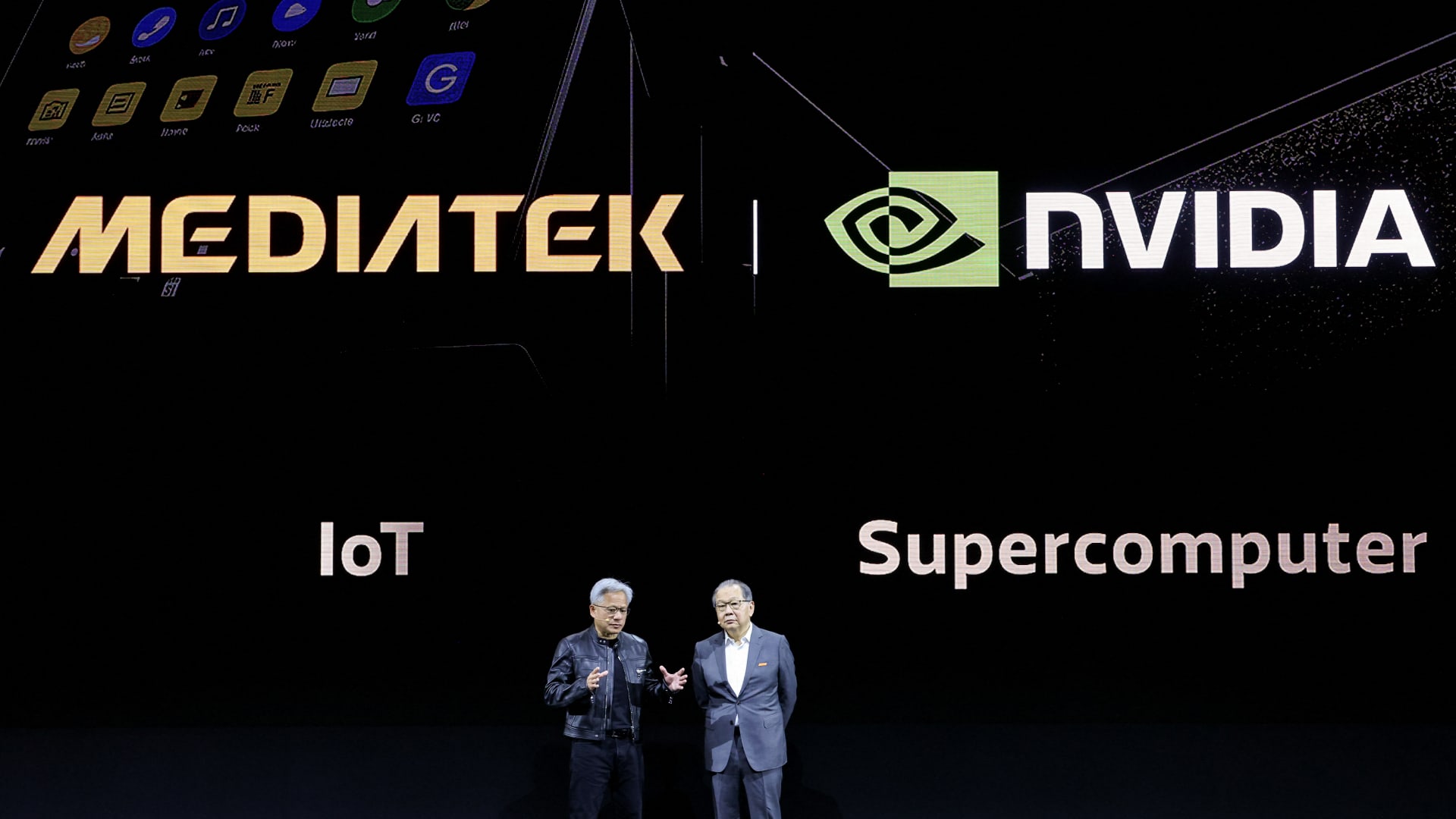
MediaTek shares closed 10% higher on Tuesday after the Taiwanese chip firm announced a partnership with Nvidia
Dell raised its annual revenue outlook, citing strong sales of AI servers

GE Vernova (NYSE: GEV) announced on August 24, 2026, in Paris, a new medium-voltage uninterruptible power supp…

Oracle (ORCL) stock is down 4% to $142.82 in Tuesday afternoon trading, after the 10-year Treasury yield climb…

Tesla's investments in AI startups lag far behind its Magnificent Seven peers