What happened
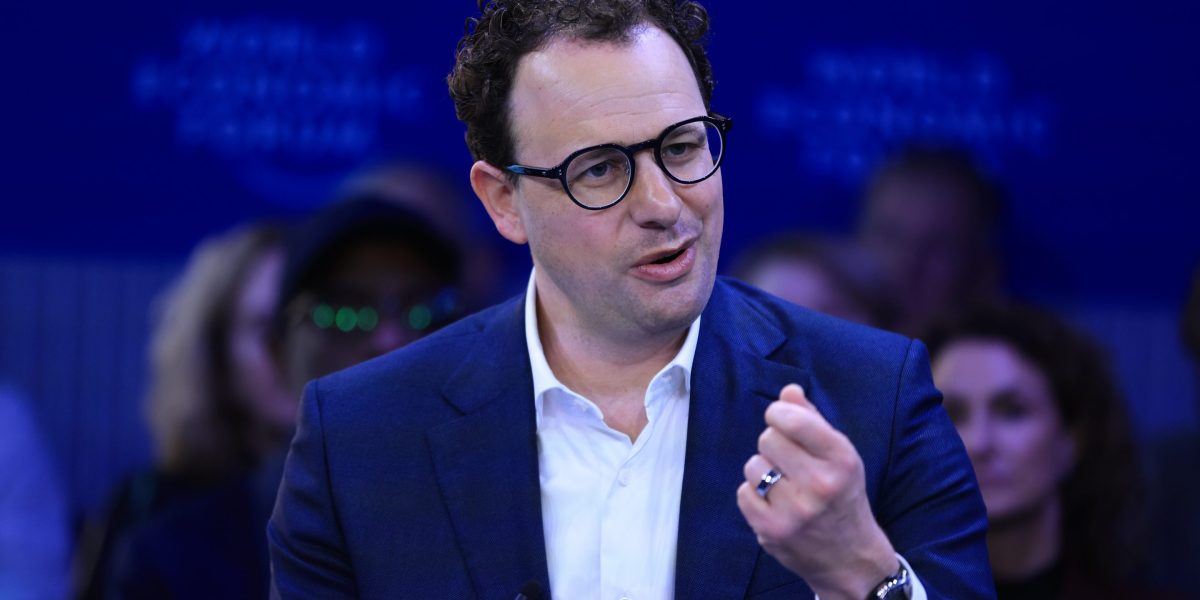
Anthropic CEO Dario Amodei posted on X Saturday acknowledging a public trust deficit around AI, saying ordinary people suspect companies, governments, and the tech industry are working to exploit them. He pushed back on claims his own rhetoric is excessively negative, pointing to essays presenting both risks and benefits, though social media clips often characterize his statements as gloomy.
Why it matters
Amodei identified the core problem as a decades-old crisis of trust that marketing alone cannot fix—he argued that only actual delivery on promises (like breakthroughs in biology and medicine) will restore credibility. He conceded AI structurally tends to concentrate power due to scaling laws, whether through regulation or open-weights models, making institutional safeguards essential.
What to watch
Amodei signaled Anthropic is pursuing work in biology and medicine to demonstrate real-world impact, and said he supports a FINRA-like regulatory entity and the Trump administration's stance on AI testing. He vowed to avoid empty promises and instead honestly address AI risks while the company works toward tangible accomplishments.
Summaries like this, in your inbox every morning.
Amodei's post represents a notable shift in tone for a major AI leader, moving from defensive rhetoric about AI's potential harms to a candid acknowledgment that the public's skepticism runs far deeper than any individual executive's statements. His framing of the problem as a structural trust deficit—rooted in decades of institutional skepticism—effectively removes blame from the AI industry itself and pins the challenge on restoring credibility through actual outcomes rather than messaging. This positioning aligns with broader pivots both Anthropic and OpenAI have made as they approach potential IPOs, softening earlier warnings about job displacement and existential risk.
Crucially, Amodei conceded that AI technology itself concentrates power due to scaling laws (the principle that model performance improves with more resources), whether through regulation or open-weights models. His proposed solution—a FINRA-like regulatory body that simultaneously addresses cyber, biosecurity, and alignment risks while constraining frontier AI company power—suggests Anthropic sees institutional design as more important than the open-versus-closed model debate. His vow to avoid empty promises and instead address risks honestly may reflect both a strategic bet on long-term credibility and an implicit acknowledgment that the industry's early messaging on AI benefits has outpaced demonstrated impact.
Pick your industry and the AI tools you use, and get news related to your work every day.
Free · 30 seconds with Google · unsubscribe anytimeWhat is AIToday? →
Ask AI anything about this article. The AI reads this article, earlier AIToday articles, and Wikipedia, and cites its sources. Q&As are published on this page for other readers too.
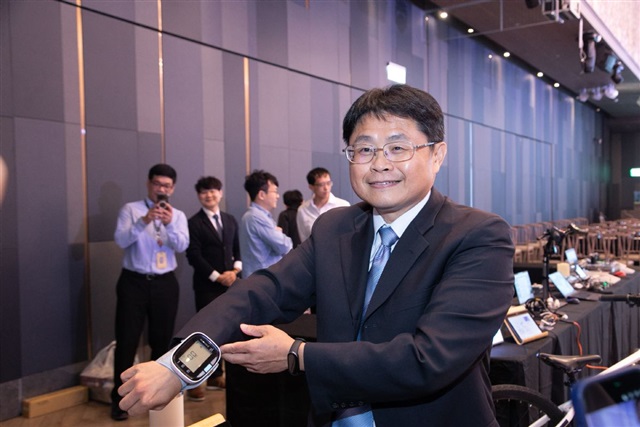
Holtek Semiconductor unveiled its 2026 product roadmap on October 15, focusing on four core areas: smart prote…
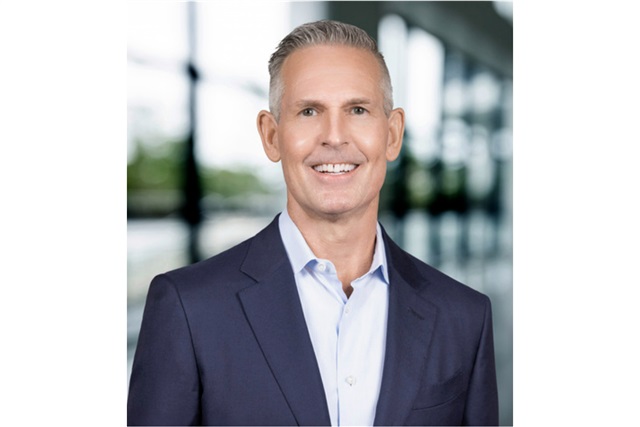
Supermicro Computer appointed Mark Long as chief financial officer, bringing an experienced technology finance…
Taiwan is considering much stricter export controls on AI chip sales to China, part of a greater alignment wit…

TSMC reported about NT$763.1b in Q3 net profit and confirmed that demand for advanced processors is running ah…

Nvidia-backed CoreWeave steadied Thursday after a sharp slump, as investors worried about the debt financing b…
Weathernews said on October 15 it implemented its own AI weather-forecasting model, AI-Nowcast, in its Weather…