What happened
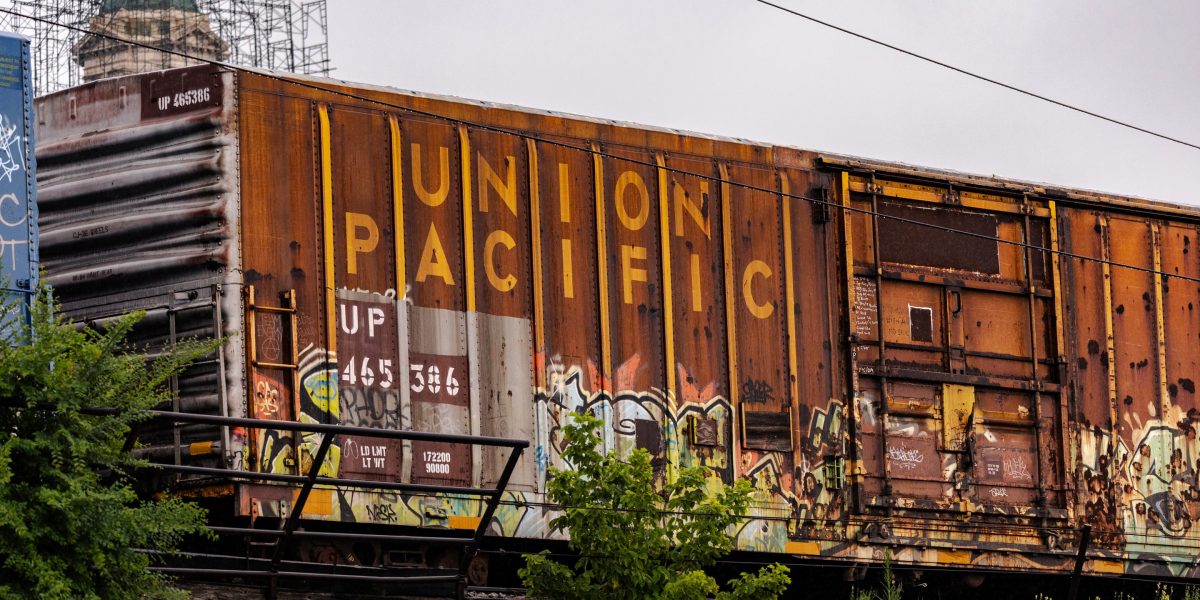
Criminals stole more than $200 million of goods from 75,000 thefts on US freight rail networks in 2025, according to an industry group. A November heist in Memphis was caught on AI-powered cameras, leading a task force to track the getaway vehicle for 11 miles and arrest three men. Major freight carriers CSX, BNSF Railway, and Union Pacific are investing millions in surveillance, drones, fencing, and other security measures to combat the surge.
Why it matters
Train robbery quadrupled from pre-2020 levels after the pandemic disrupted criminal gangs' drug supply chains, pushing them toward theft from rail hubs in Chicago, Los Angeles, and Memphis. The carriers bear liability for stolen goods, and CSX's chief of police noted that gangs can steal tens of thousands of dollars worth of merchandise in minutes. However, weak prosecution—many theft cases face long delays in cities prioritizing violent crime—leaves many thieves with minor sentences or bail.
What to watch
CSX reported an 80% year-on-year drop in rail thefts in the Memphis region following its security investments, including 14,000 feet of razor-wire fencing and 30 AI surveillance cameras at Leewood Yard. The House passed the Combating Organized Retail Crime Act in May with bipartisan support; it strengthens legal tools for law enforcement and creates a Department of Homeland Security coordination group. Congressman David Valadao is optimistic about its Senate passage.
Summaries like this, in your inbox every morning.
Train robbery, a 19th-century trope, has resurged as a modern crime wave driven by pandemic-era disruptions. When lockdowns crushed criminal gangs' drug supply chains while simultaneously boosting demand for physical goods shipped by rail, organized networks pivoted to targeting freight trains—particularly those halted at major urban hubs in Chicago, Los Angeles, and Memphis. The infrastructure that maximized railroad efficiency—3-mile-long trains staffed by just two crew members with predictable stop times—inadvertently created an ideal target for theft.
The scale is substantial: $200 million stolen across 75,000 incidents in 2025 alone. The thieves themselves range from opportunistic street-level actors to sophisticated transnational syndicates based in Sinaloa, Mexico, sometimes coercing trafficking victims into participating. Yet enforcement has lagged, because theft cases compete for district attorney resources against homicide and violent crime in the cities where rail hubs are concentrated. Consequently, many perpetrators face minimal sentences or bail release, allowing the cycle to persist.
Rail carriers have responded with capital-intensive solutions. CSX, Union Pacific, and BNSF are deploying AI-powered surveillance, thermal-imaging drones, and fortified yards. CSX's Memphis facility—once an open rail yard, now ringed with 15-foot razor-wire fencing and monitored by 30 AI cameras—exemplifies this shift. The technology proved decisive: CSX achieved an 80% year-on-year reduction in Memphis thefts, and AI-assisted investigations have enabled arrests previously deemed impossible. Legislation now pending in the Senate—the Combating Organized Retail Crime Act—aims to close prosecution loopholes by allowing asset forfeiture, aggregating theft values to trigger harsher charges, and establishing federal coordination. If enacted, it could shift the calculus for perpetrators and prosecutors alike.
Pick your industry and the AI tools you use, and get news related to your work every day.
Free · 30 seconds with Google · unsubscribe anytimeWhat is AIToday? →
Ask AI anything about this article. The AI reads this article, earlier AIToday articles, and Wikipedia, and cites its sources. Q&As are published on this page for other readers too.

