What happened
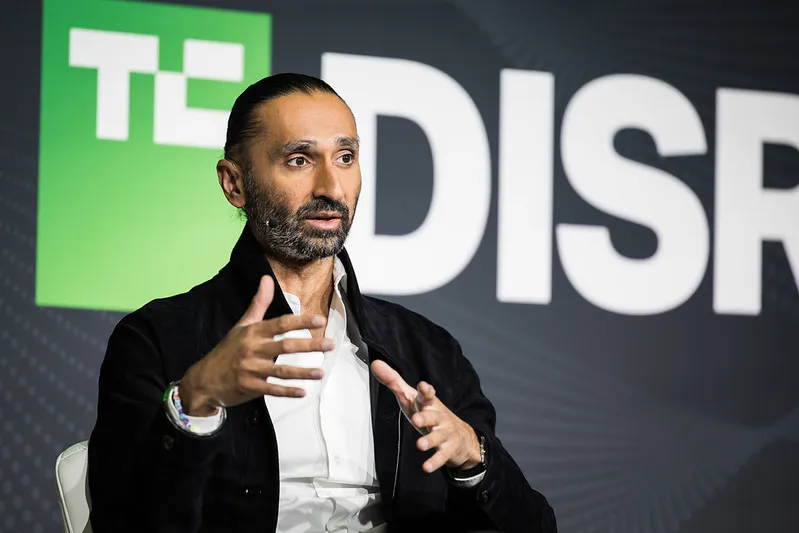
Blackstone's Jas Khaira said fears of an AI-infrastructure debt crisis are overblown, arguing the debt is backed by the world's most creditworthy companies, not shaky 2008-style banks.
Why it matters
If Khaira is right, the jitters hitting AI-infrastructure borrowers and their lenders — higher interest rates and wider credit spreads — may be a pricing problem rather than a systemic one.
Summaries like this, in your inbox every morning.
Blackstone has built a business around the idea that AI needs capital at a scale earlier tech cycles did not. Its $1.3 trillion in assets under management and its compute-financing playbook — lending against GPU collateral and committed customer contracts — made it an early backer of CoreWeave, then extended the model to other neoclouds. That same model is now the subject of the market's debate, as the debt burdens it helped create have grown and borrowing costs have risen.
The recent pressure has been visible in both private and public markets. CoreWeave shares dropped more than 20% in recent days, and Firmus cancelled its planned listing on the Australian Securities Exchange at a target valuation of roughly $30 billion. Khaira attributed the Firmus outcome to the market not being there at that valuation, and described the broader question as one of finding the right price for neoclouds while interest rates move up.
Khaira's response is that the structure of the debt matters more than its headline size. Because most data centers are built for hyperscalers, he argued, the financing is ultimately backed by the most creditworthy companies rather than by speculative borrowers. Even so, he acknowledged that returns on AI adoption are uneven and that adoption could follow a sawtooth pattern, with compute appearing oversupplied until usage catches up.
Pick your industry and the AI tools you use, and get news related to your work every day.
Free · 30 seconds with Google · unsubscribe anytimeWhat is AIToday? →
Ask AI anything about this article. The AI reads this article, earlier AIToday articles, and Wikipedia, and cites its sources. Q&As are published on this page for other readers too.

