What happened
Noetra, backed by Sony, SoftBank, NEC, and Honda as core members, launched full-scale R&D for a Japan-developed multimodal foundation model designed for AI-enabled robots and physical AI. The company has secured investments from 44 organizations total. In partnership with Nvidia, Noetra plans to build AI computing infrastructure equipped with approximately 27,500 Nvidia Rubin GPUs, with construction beginning in April 2027 and operations expected in June 2028.
Why it matters
Japan is developing a domestically controlled sovereign AI foundation model to strengthen the nation's industrial competitiveness in physical AI and robotics. By building the infrastructure and models within Japan, the country aims to secure its competitive advantage while addressing data sovereignty and economic security concerns, particularly as AI becomes critical across manufacturing and other strategic sectors.
What to watch
Noetra's development roadmap spans three phases—a reasoning foundation model by fiscal 2026, an omni-modal model (text, image, video, audio) by fiscal 2028, and a "Real-world Native AI" understanding physical properties by fiscal 2030. Models will be released in stages as R&D progresses and real-world implementation opportunities arise.
Summaries like this, in your inbox every morning.
Noetra's launch represents Japan's coordinated response to global competition in AI foundation models, particularly as the technology becomes essential for robotics and physical AI—areas where Japan has historical manufacturing expertise. The consortium structure, with participation from a major electronics manufacturer (Sony), telecom and infrastructure provider (SoftBank), enterprise IT and systems integrator (NEC), and automotive-robotics leader (Honda), reflects a strategy to combine domain expertise across sectors while maintaining Japanese control over model development and data.
The investment from 44 organizations signals broad industrial backing for the sovereign AI agenda. By concentrating compute infrastructure domestically and building models from scratch rather than relying on foreign platforms, Noetra explicitly addresses economic security concerns—a priority Sony's and NEC's statements emphasize. The phased roadmap (reasoning model by 2027, omni-modal by 2028, real-world-native by 2030) suggests a pragmatic path from language and multimodal understanding toward deployment-ready physical AI, aligned with Japan's strengths in manufacturing systems and robotics.
Pick your industry and the AI tools you use, and get news related to your work every day.
Free · 30 seconds with Google · unsubscribe anytimeWhat is AIToday? →
Ask AI anything about this article. The AI reads this article, earlier AIToday articles, and Wikipedia, and cites its sources. Q&As are published on this page for other readers too.
In Q2, billionaires or their funds sold six 'Magnificent Seven' AI stocks
Nvidia was rising early Friday, even as the wider chip sector kept falling, Barron's reported
ElevenLabs completed a $300 million employee tender at a $22 billion valuation, and co-founder Mati Staniszews…

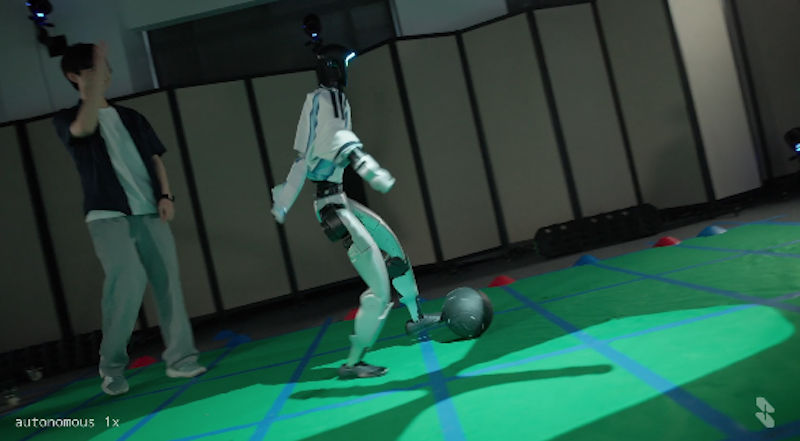
Skild AI used Nvidia Isaac Sim to give its S1 model one objective — score a goal — and let it compete against…
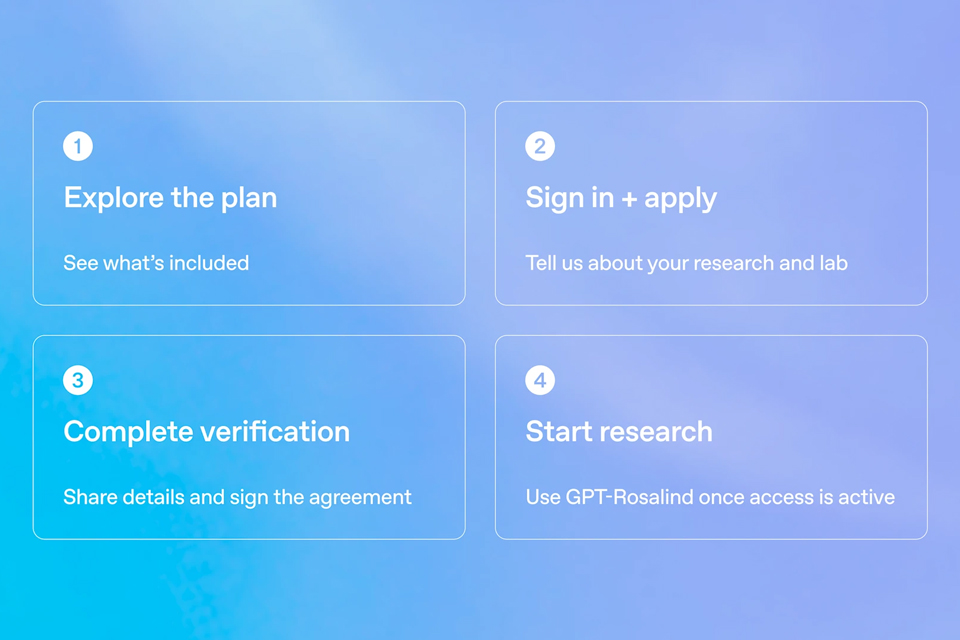
On October 15, OpenAI announced the Rosalind Academic Plan, giving approved US university labs free access to…
Neostellar Capital principal Evan Schlossman said CoreWeave's $103.7 billion in remaining performance obligati…