What happened
OpenAI's Performance Factory, built on Codex, completed over 1,700 investigations in three months and pinpointed root causes in more than 600 cases, coordinating agents across four components including task service and dispatch loop.
Why it matters
The setup lets agents assign tasks, run tests, and deploy to production autonomously, shifting engineers from hands-on troubleshooting to reviewing fixes and could reduce the manual burden of maintaining service speed.
WHO IT HITSEngineering and site-reliability teams that maintain high-traffic online services stand to benefit, as the Performance Factory shows how agents can take over routine investigation and fix-proposal work that once required manual effort.
Summaries like this, every morning.
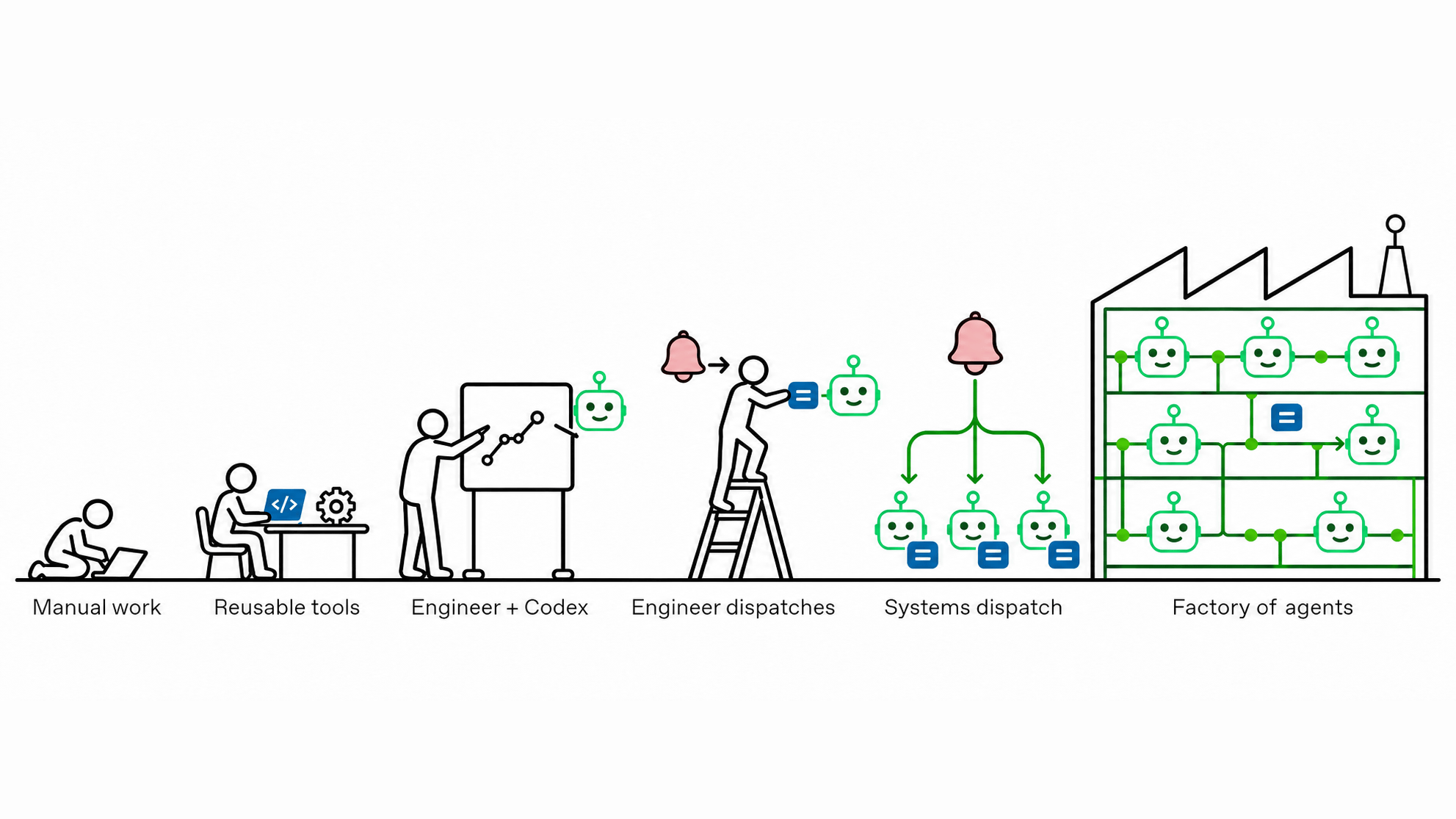
OpenAI's post traces a clear progression in its internal engineering workflow. Early on, human engineers handled problem investigation and countermeasures by hand; Codex then became a partner, but humans still led the work. As AI capability and skills matured, Codex sessions began starting automatically when alerts fired and posting findings to Slack. The current stage is an "agent factory" that autonomously identifies needed tasks, assigns agents, runs tests, and deploys to production. The Performance Factory, built on four components—task service, dispatch loop, cloud Codex, and subscription—is the concrete implementation of that stage for keeping ChatGPT fast. The reported results—over 1,700 investigations and more than 600 root-cause identifications in three months—suggest the system is already handling a substantial volume of diagnostic work. OpenAI says it is now working to make the system proactive, finding slowdowns and optimization opportunities even without alerts, which would extend its role from reactive troubleshooting to continuous performance tuning.
Pick your industry and the AI tools you use, and get news related to your work every day.
Free · 30 seconds with Google · unsubscribe anytimeWhat is AIToday? →
Ask AI anything about this article. The AI reads this article, earlier AIToday articles, and Wikipedia, and cites its sources. Q&As are published on this page for other readers too.
Valleyin began external provision of AiiPo REACTOR in November 2026; the engine builds business apps from spok…
Warby Parker is launching AI smart glasses starting at $395 on Nov
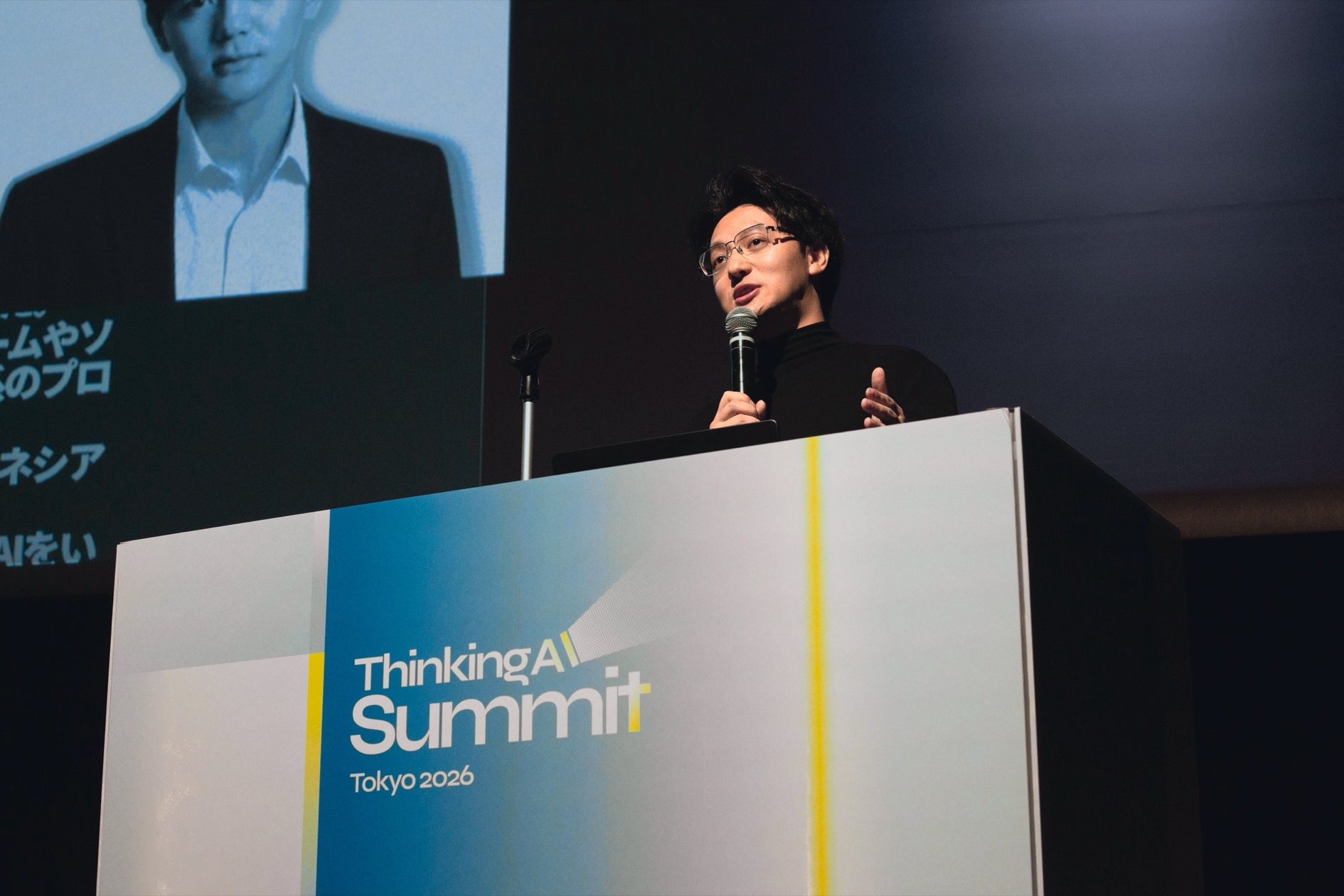
At the ThinkingAI Summit 2026 Tokyo on November 10, 2026, Daniel Wang, co-CEO and vice president of Hong Kong-…
Polimill said on Nov 19, 2026 that QommonsAI, its generative AI for government, now supports domestic inferenc…

AgeAI, led by CEO Gen Mikami, joined the Gotanda Valley Acceleration Program 2026 from its September 17 kickof…

Since late October, users of OpenAI's paid plans have reported Codex and ChatGPT Work burning through usage qu…