What happened
The first installment of the Qiita series, adapted from the book by 下田 昌平, breaks 'LLM' into three words and traces language models from n-gram counting through Transformer to today's reasoning models.
Why it matters
Framing the technology as a giant probability engine for guessing the next token makes both its strengths and its limits predictable, and it reframes knowledge as patterns spread across parameters rather than stored facts.
Summaries like this, every morning.
It walks through the historical stages of language modeling: n-gram counting, which struggled with sparse data; distributed representations, which placed similar words near each other; RNN and LSTM, which read text in order; and Transformer, introduced in 2017, which used self-attention to let every token reference the others directly and made large-scale parallel training possible. Throughout these stages, the central objective never changed.
The piece then explains the shift from hand-written rules to learning patterns from data. That shift, it says, moved the bottleneck from writing rules to data quality and compute, and it changed how knowledge is held: explicit and human-readable in rule-based systems, implicit and spread across parameters in statistical models. This is the thread that connects to hallucinations and to the point that models do not hold facts the way a database does.
The later sections add context on why LLMs matter now. A single model can handle many tasks without being rebuilt for each one, natural language itself becomes the interface, and external tool use via standards such as MCP is spreading. It also cautions that many reported 'emergent' jumps are artifacts of metric choice, and that hallucination, bias, cost control, and prompt injection are not afterthoughts but constraints to design around. A final set of five common misconceptions ties the argument back to the definition: an LLM is a large probabilistic model that predicts the next token.
Pick your industry and the AI tools you use, and get news related to your work every day.
Free · 30 seconds with Google · unsubscribe anytimeWhat is AIToday? →
Ask AI anything about this article. The AI reads this article, earlier AIToday articles, and Wikipedia, and cites its sources. Q&As are published on this page for other readers too.
Visa Crypto Labs head Cuy Sheffield unveiled a new Visa Command Line Interface that verifies an agent using a…

Microsoft announced Agent 365, a shared control plane for AI agents spanning Microsoft and non-Microsoft platf…

Charles Schwab introduced Charley, a conversational AI assistant built on third-party large language models pl…

On the fifth installment of the talk livestream "Ichimon Itto" with actor Shinnosuke Mitsushima, Ichiro Suzuki…

A new online course, AI業務アプリ作成入門講座, is offered for participants in Tokyo and teaches creating work apps by tel…

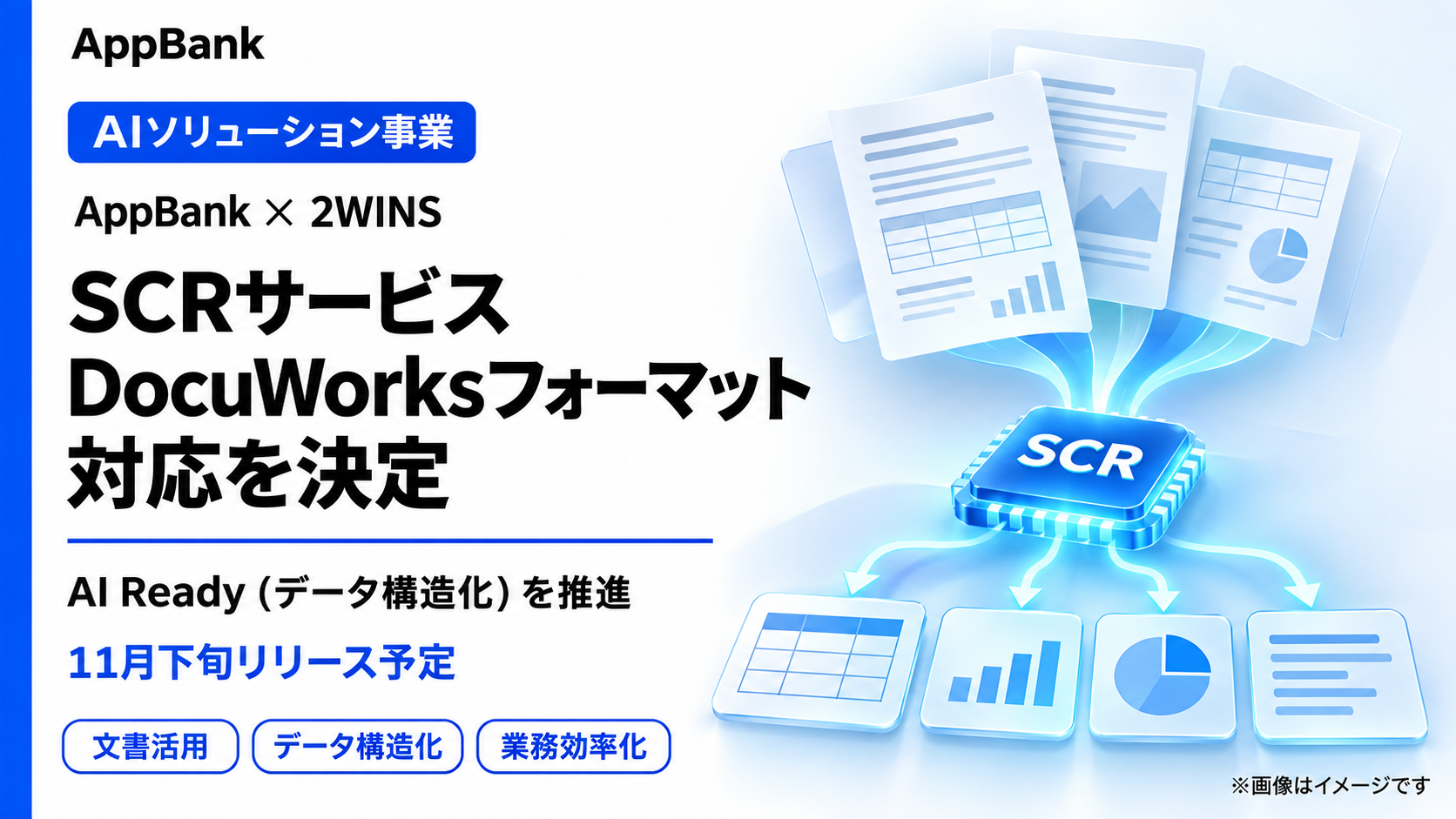
AppBank and 2WINS said their SCR (Semantic Character Recognition) service will support Fujifilm Business Innov…